

















Custom Warming Belt Timelines and Approvals
Build a warming belt project timeline that shows what each stage needs, which tasks can run together and how to handle late changes before production.
 Meilan Tech 7 min read
Your warming belt sample has arrived, the packaging designer is ready and the launch date is already on the calendar. Yet the supplier cannot confirm when production can start. The missing information may be a final configuration, a printing approval or a decision about which sample represents the order.
A useful custom warming belt project timeline connects each stage to the decision that releases the next one. Ask for a dated plan based on the actual model, customization scope, order quantity and approval requirements. Separate sample development, buyer review, production readiness, manufacturing and dispatch. A single estimated delivery date hides where the project can still change.
Start with the event your deadline actually describes
“We need the belts by our launch” can mean finished products at the factory, goods collected by a carrier, delivery to a warehouse, or stock checked into a retailer’s system. Name the event, destination and responsible party before asking whether the date is achievable. Factory completion is only one milestone in that chain.
Then give the supplier the scope behind the date. An existing model with confirmed branding is a different scheduling problem from a project that changes controls, materials or the enclosure. Several language packs need a different approval plan from one using an already agreed instruction version. Do not add a standard allowance to an unconfirmed project and call the result a reliable schedule.
Ask which dates are estimates, what assumptions support them and when they can be confirmed. If an order, payment, approved artwork or accepted sample is required before a stage starts, record that condition next to the milestone. The parties need the same definition of “ready,” not simply the same calendar date.
Use approval gates to make the timeline visible
The following planning sheet gives each workstream a concrete output. It is a structure for discussion, not a statement of Meilan’s production policy or a promised lead time. Replace the entries with the supplier’s proposed stages and the approvals agreed for your project.
| Stage | Output to agree | What it releases |
|---|---|---|
| Project definition | Model, change list, target market, quantity and set contents | A scope-specific quotation and sample plan |
| Sample review | Identified sample, recorded findings and accepted changes | The configuration used for final files and production planning |
| Print and packaging approval | Agreed artwork, instructions, labels and packaging references | Printing and other dependent purchasing steps, when authorized |
| Production release | Written review of the order specification and agreed readiness conditions | Manufacturing against the named version |
| Inspection and dispatch | Agreed inspection outcome, shipping information and release decision | Carrier collection and the next delivery milestone |
Give each output an owner and a due date. “Buyer approval pending” is too broad if the product manager accepts the sample, the designer approves artwork and another person signs the order. Identify the person who can make the decision, the file they must review and who records the response.
A shared milestone can require several inputs. Packaging readiness may depend on the confirmed product, accessory list, packaging dimensions and approved print files. Ask which missing input would prevent the next activity from starting. That is more useful than asking every participant whether their individual task is “almost finished.”
Keep work moving in parallel without approving the wrong version
Several activities can often be prepared together. While the buyer reviews a sample, the designer can prepare a layout draft and the logistics team can collect destination details. A translator can organize terminology and page structure around an identified instruction source. Those activities still need a clear status: prepared for review is different from approved for printing.
The limit is the dependency. If the control sequence remains undecided, final operating instructions may need to wait. If set contents change, the packaging layout or insert may need another fit check. Ask the supplier and your team to distinguish reversible preparation from a commitment that would create rework if the sample changes.
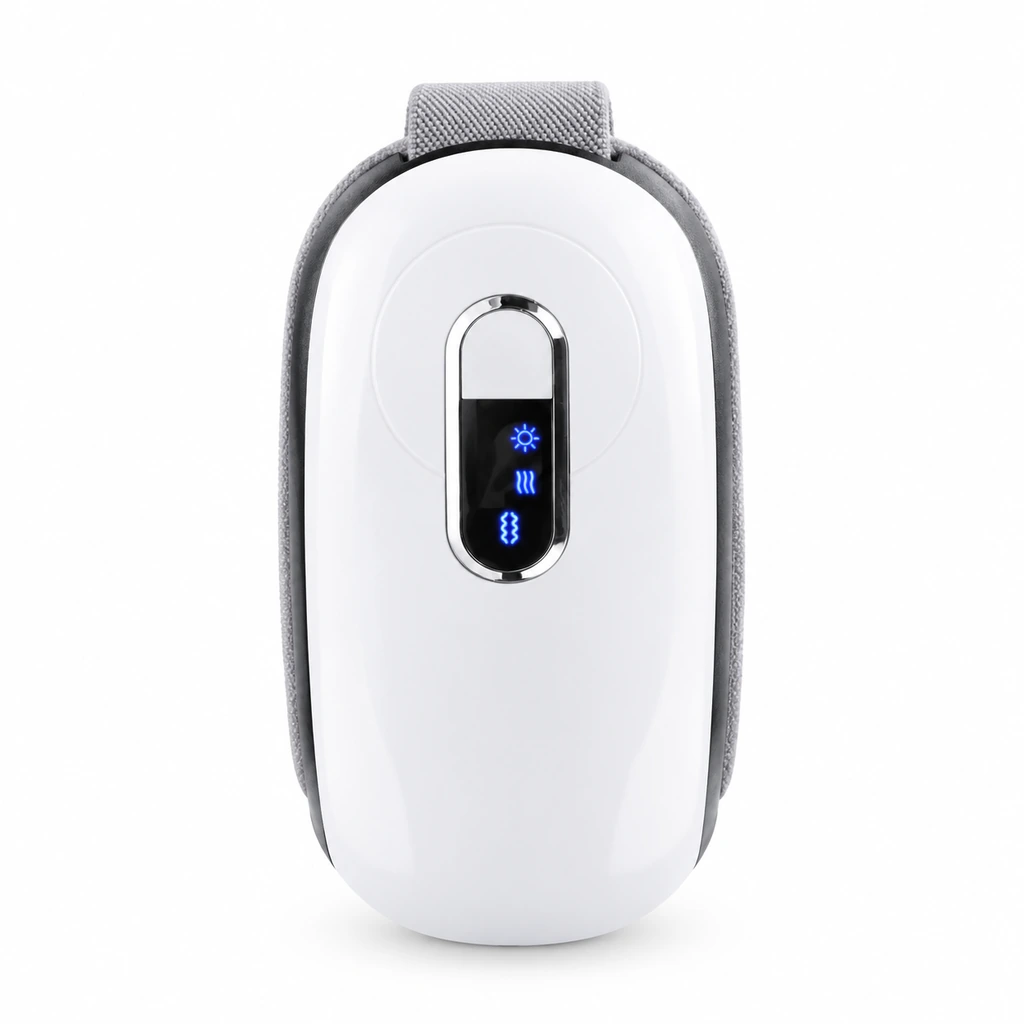
| Product reference: identify the belt before planning customization | |
|---|---|
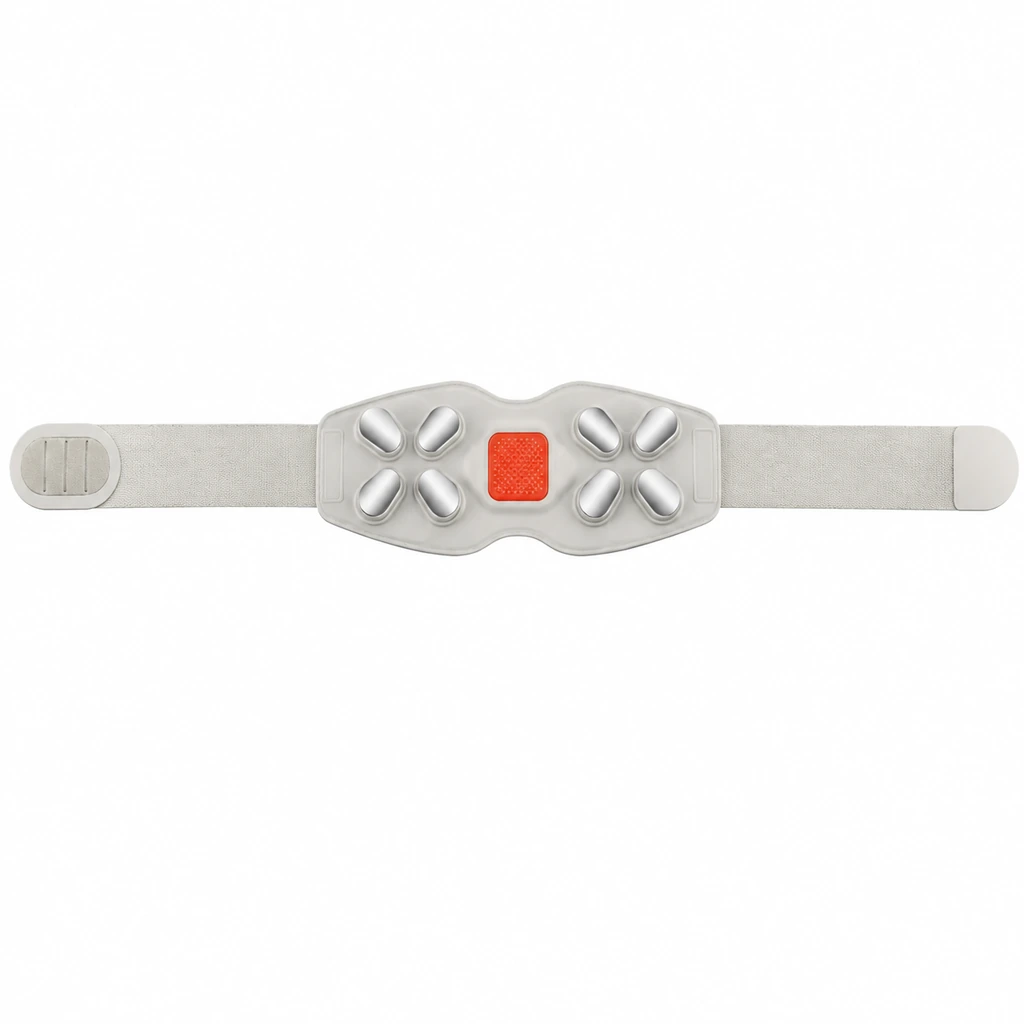
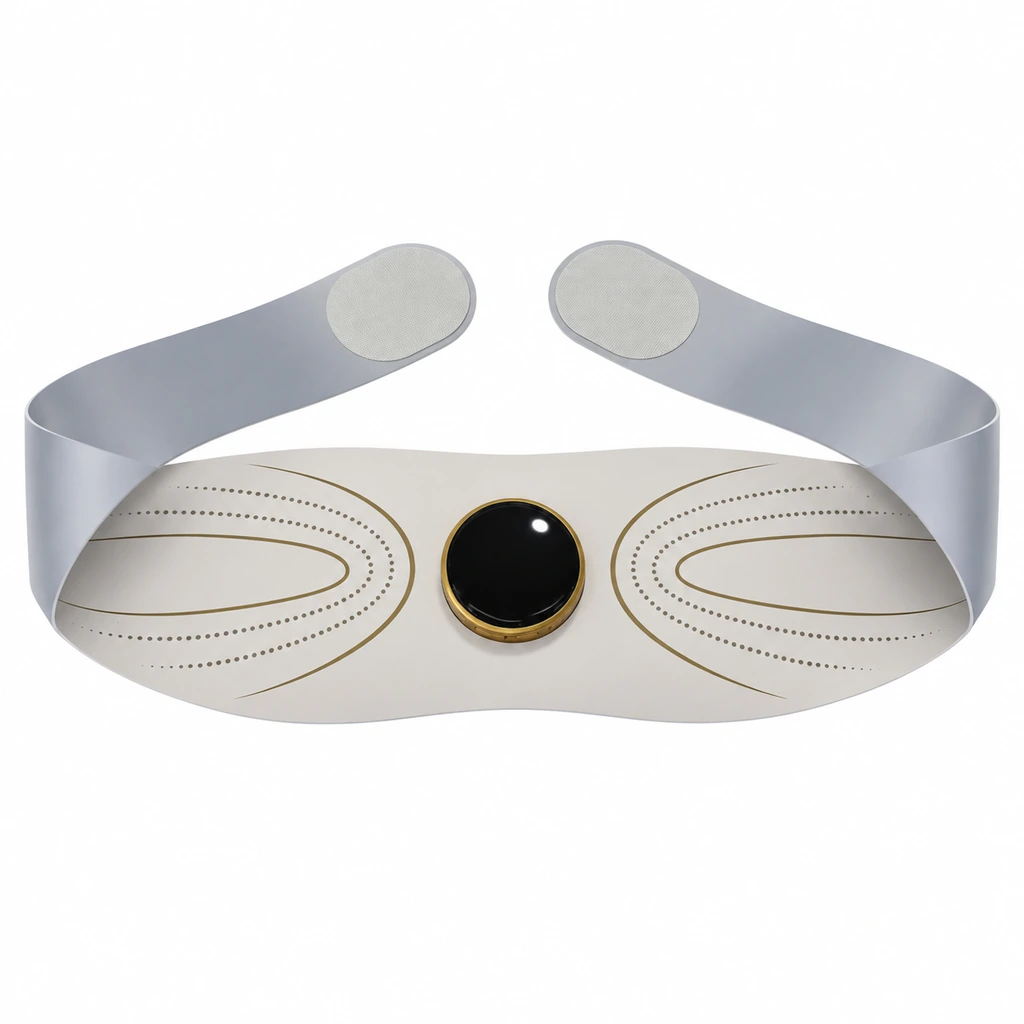
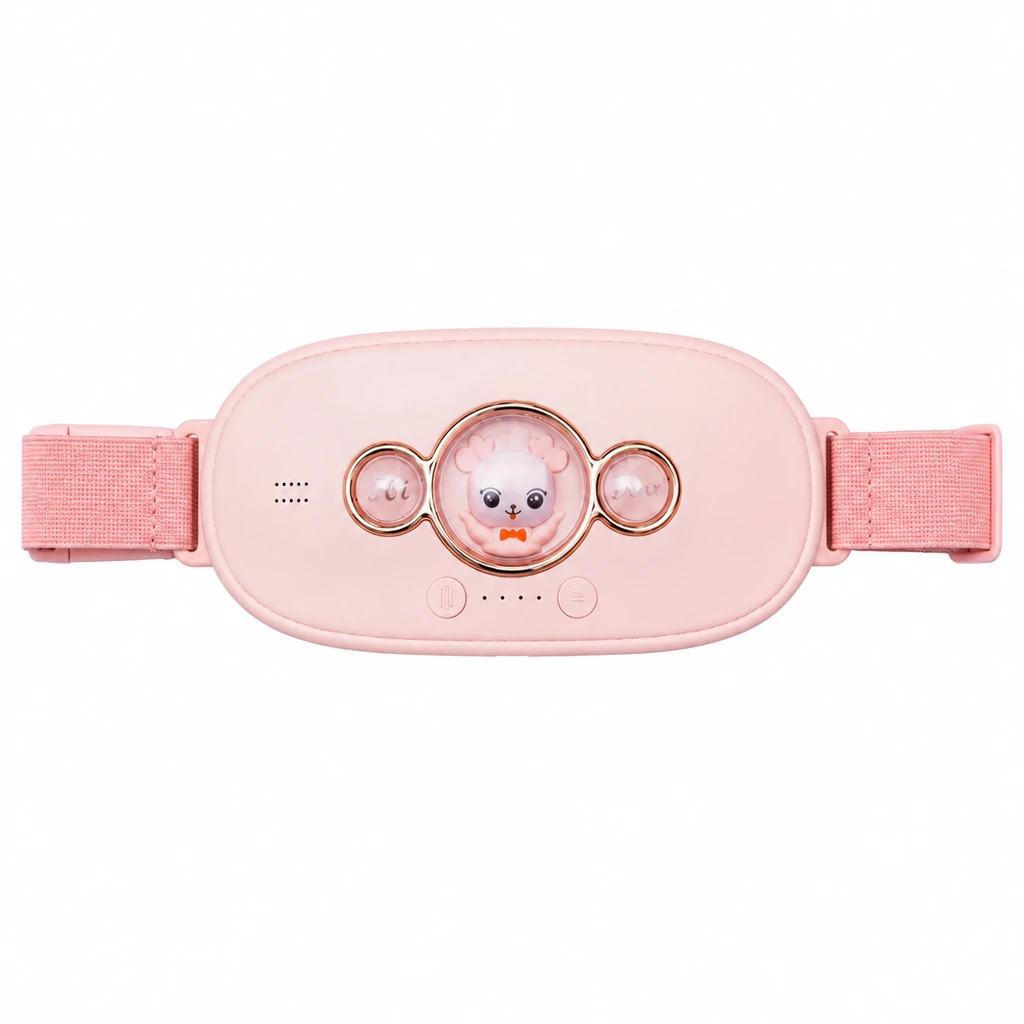 | Meilan N1 warming belt Use the reference model to begin a discussion about the exact configuration, set contents and proposed changes. The product page is a starting point; it does not establish a custom project schedule or confirm that a requested change is available. |
For an N1-based project, mark the requested differences on photographs and list what must remain unchanged. Ask whether an existing offered version can meet the requirement before scheduling development work. This gives both sides a chance to simplify the project without silently changing the buyer’s requirement.
Plan buyer review time as carefully as factory work
A sample stage includes more than making a unit. It may involve dispatch, delivery, the buyer’s review, a supplier response to findings and a further check if a change is proposed. Ask which activities the quoted sample estimate includes. Reserve time for the people who need to assess the unit rather than letting it sit unopened while the project calendar continues.
Make the review decision explicit. If a buyer accepts the appearance but still has an operating question, record the partial decision and what remains open. Ask the supplier whether any subsequent activity can proceed on that basis. A message saying “looks good” should not have to carry an unstated decision about controls, instructions and packaging.
| Control-area review before instruction approval |
|---|
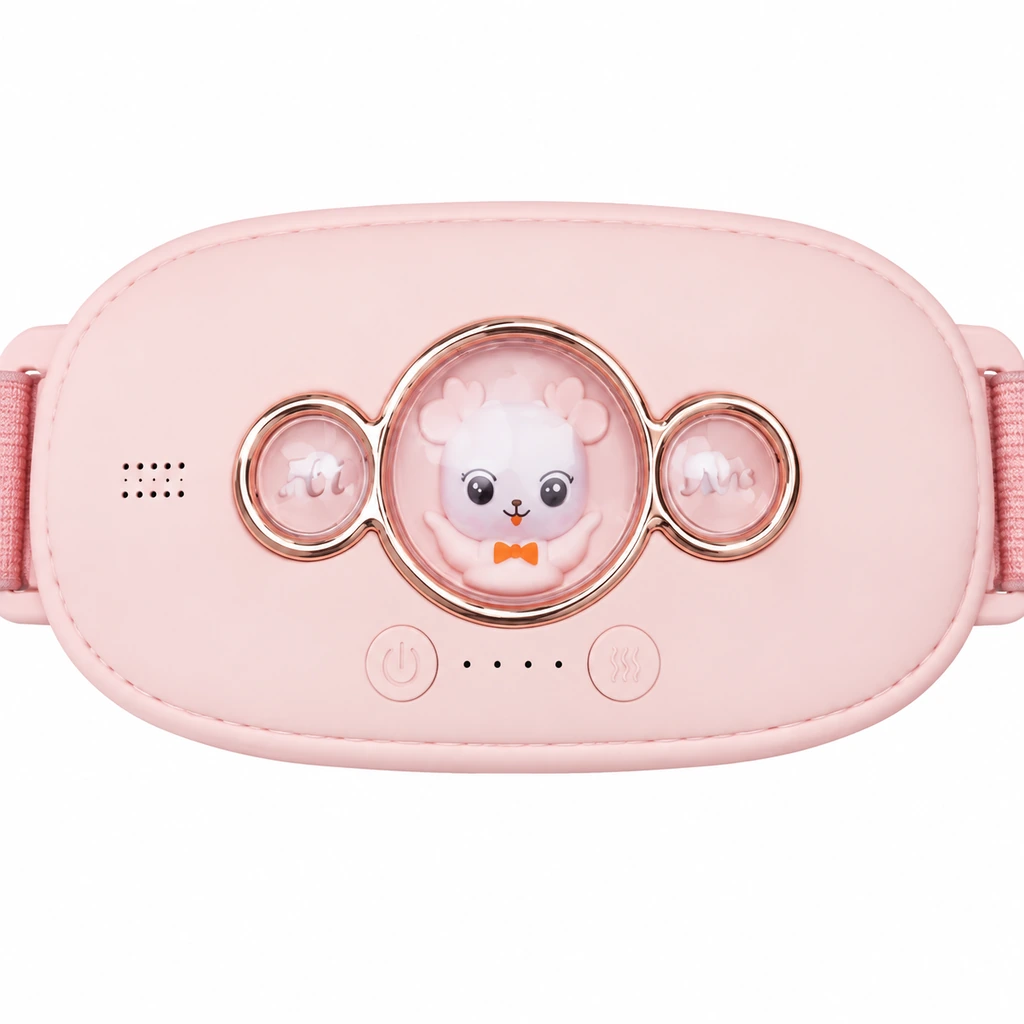 Use the actual sample and its approved operating information to settle control names and sequences before releasing the matching instructions. This photograph identifies the review area; it does not verify the behavior of a customized unit. |
Keep detailed translation preparation in a separate document workstream. The warming belt multilingual manual guide covers the language and source-file decisions. Here, the scheduling question is who approves that source and which later activity must wait for the decision.
When a late change arrives, replan the affected path
Illustrative scenario: the buyer has accepted the product sample, but marketing then requests a different gift box and an additional printed insert. The device configuration remains unchanged. The earlier product approval can remain relevant, while the packaging workstream needs its own review.
Ask the supplier to explain the consequences before accepting a revised date. Does the box change require a new layout or physical fit check? Is another printing proof needed? Has any affected material already been ordered? Would the new package change carton planning or shipping information? Record the answer against the changed item instead of resetting every stage without explanation.
| Change record | Example entry for the discussion |
|---|---|
| Requested change | New gift-box format and one additional printed insert |
| Unchanged reference | The identified product sample and accepted device configuration |
| Supplier response required | Affected files, checks, materials, charges and schedule assumptions |
| Buyer decision | Approve the revised scope, retain the earlier pack, or request another proposal |
| Revised milestone | New approval and release dates, confirmed after the selected route is reviewed |
This makes the trade-off visible. Keeping the earlier scope may preserve the current plan, while accepting the new design may require different work or dates. Neither outcome should be assumed before the supplier reviews the actual change. For packaging-fit details, continue with the N1 gift-set packaging guide.
Ask for a readiness review before relying on a shipment date
Before treating a proposed production start as firm, review the agreed release conditions together. Confirm that the order specification, accepted sample reference, set contents and relevant print files describe the same version. Ask which materials and scheduling arrangements are confirmed, which remain conditional and who resolves any open item.
Keep production completion, inspection release and carrier collection as distinct milestones. An accepted inspection does not by itself prove that a carrier has collected the goods, and a dispatch estimate does not establish warehouse arrival. Ask the responsible supplier or logistics partner to confirm their part of the route and the information they need from you.
Use a short status update throughout the project: the current milestone, the evidence received, the open decision, its owner and the next confirmed date. Request an updated explanation when an assumption changes. This helps the buyer decide whether to adjust the scope, escalate an approval or revise the launch plan while there is still time to act.
| Build a warming belt schedule around your actual project |
|---|
Send Meilan your reference model, requested changes, planned order quantity, target market, language list and the delivery milestone you need to meet. Include the current status of artwork, sample review and packaging decisions. Ask for a proposed sequence showing supplier work, buyer approvals, conditions for production release and the assumptions behind the dates. Confirm whether the proposed route is available before relying on a calendar. |

