






Massage Device Sample Review: B2B Buyer Checklist
Review massage device samples against the project brief, document controls, fit and kit contents, and turn prioritized feedback into a clear approval decision.
 Meilan Tech 6 min read
A useful massage device sample review ends with a decision the supplier can act on: accept a defined configuration, request a specific correction or hold approval until an open question is resolved. “Feels good” and “please improve quality” do not identify what the next sample must demonstrate.
For brand procurement and product teams, review the complete device against the agreed brief, then record the operating steps, fit observations, kit contents and required changes. This checklist focuses on evaluating an individual sample; production inspection and market-specific technical assessment remain separate workstreams.
1. Identify the sample and the decision it is meant to support
Before operating the device, record its model, sample identifier, receipt date and the specification or quotation version supplied with it. Identify the stage: an appearance sample may help assess color and marking but may not represent final electronics, accessories or packaging. Ask the supplier to list any differences from the proposed order configuration.
Use the private-label project brief as the baseline. Translate each important requirement into something observable: “clear controls” becomes “a reviewer can identify start, stop and adjustment actions using the supplied instructions.” If no acceptance criterion exists, resolve it before declaring the sample a failure.
Assign reviewers by responsibility. Product staff assess the operating experience, packaging or marketing staff assess presentation, and a qualified technical reviewer handles safety and applicable document questions. One person should consolidate the findings so the supplier does not receive conflicting instructions.
2. Check controls and function behavior in a repeatable sequence
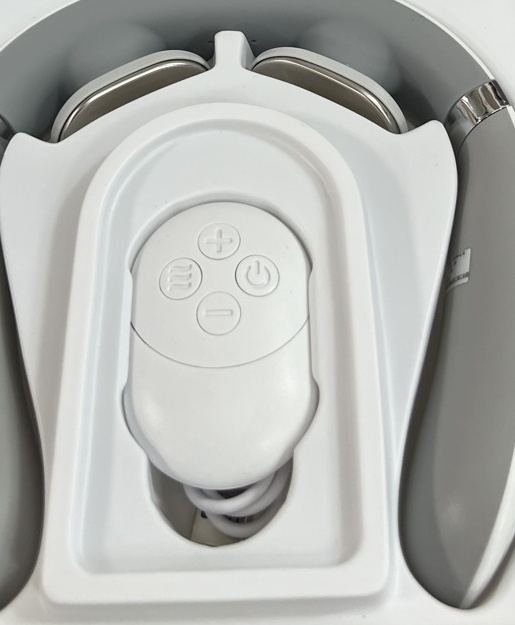
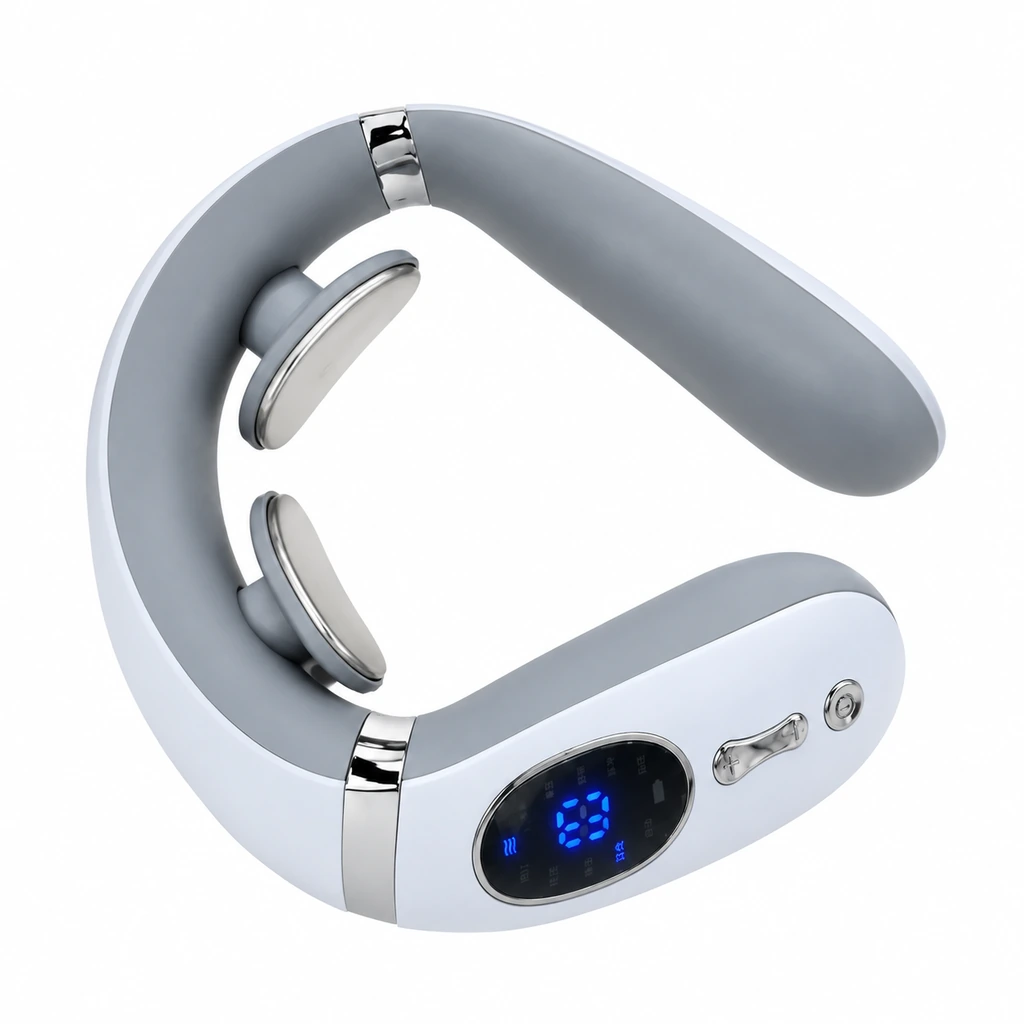
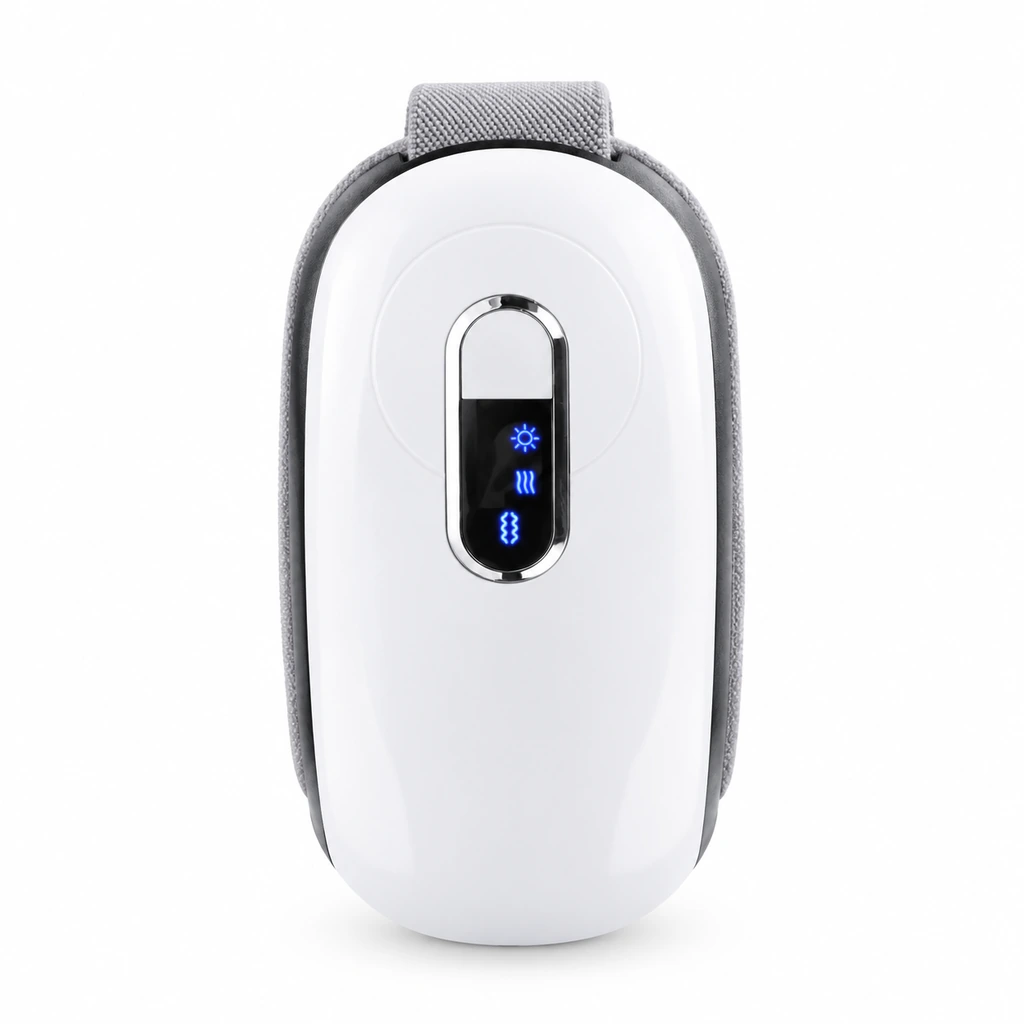
Read the matching manual and warnings before any operation. Ask a reviewer unfamiliar with the device to locate start/stop, select a mode and identify the adjustment controls. Record the action and the observed response, including prompts or indicators. Do not infer an intensity level from an icon alone.
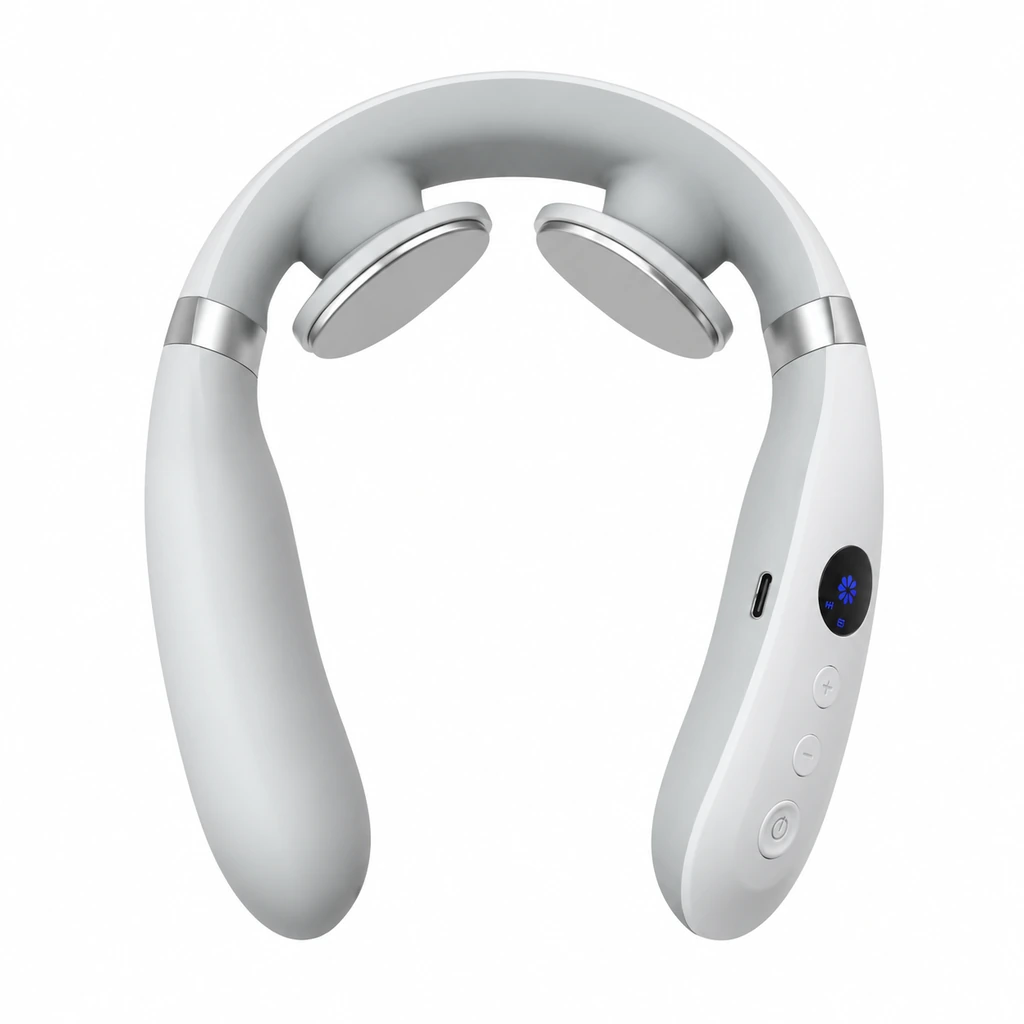
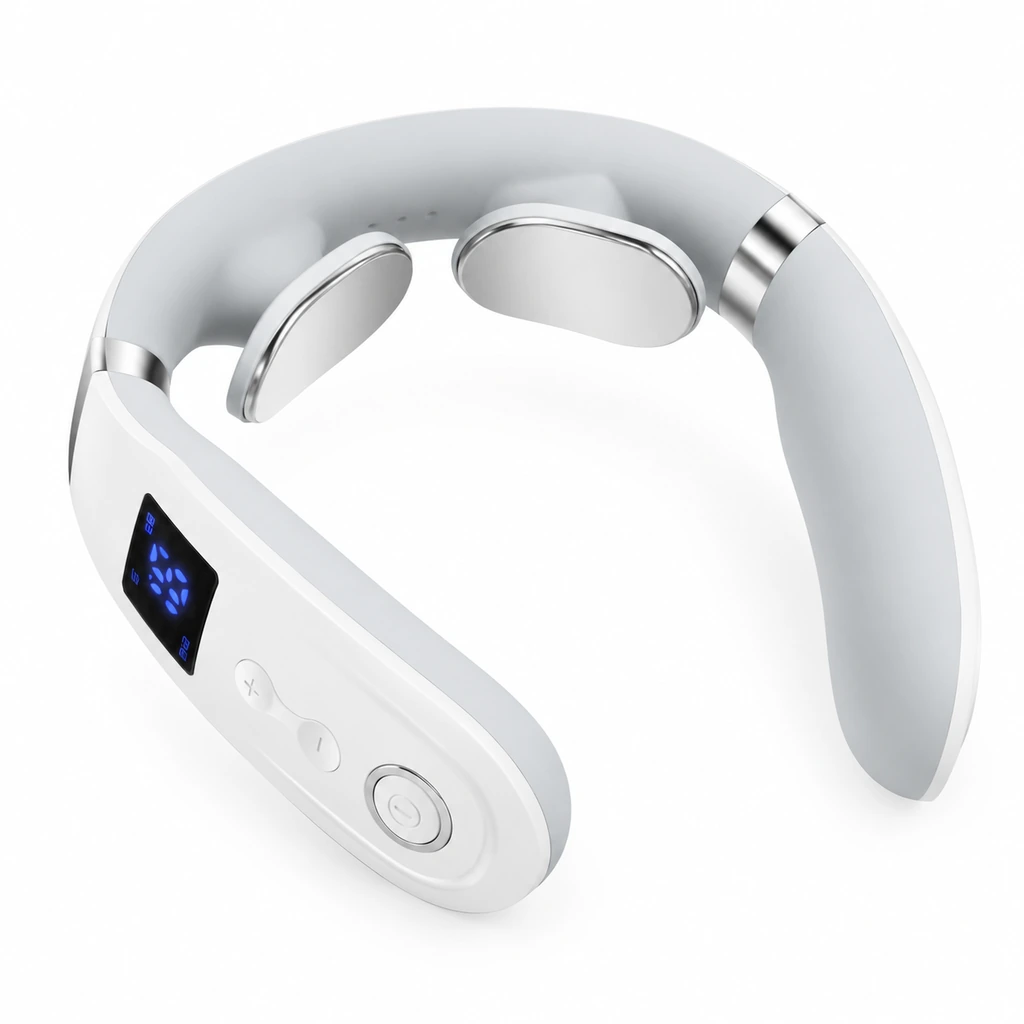
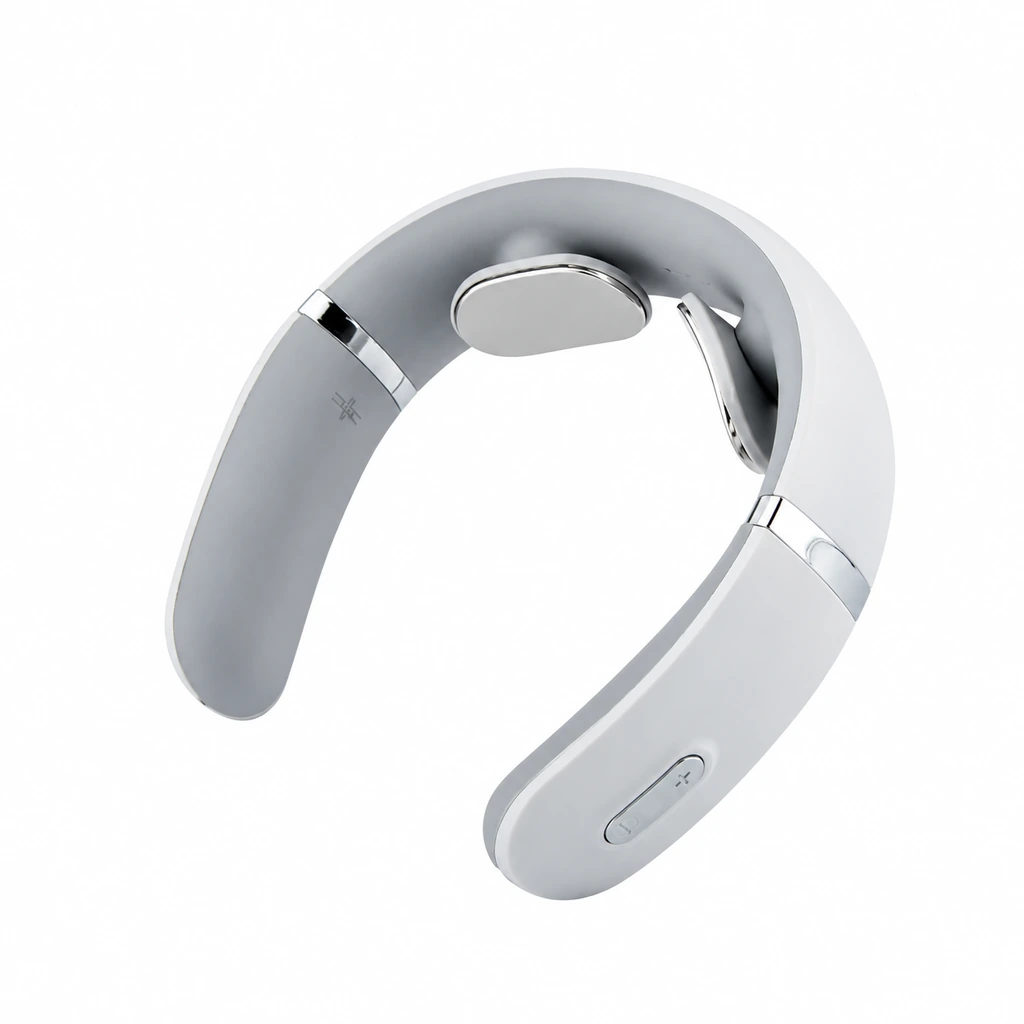
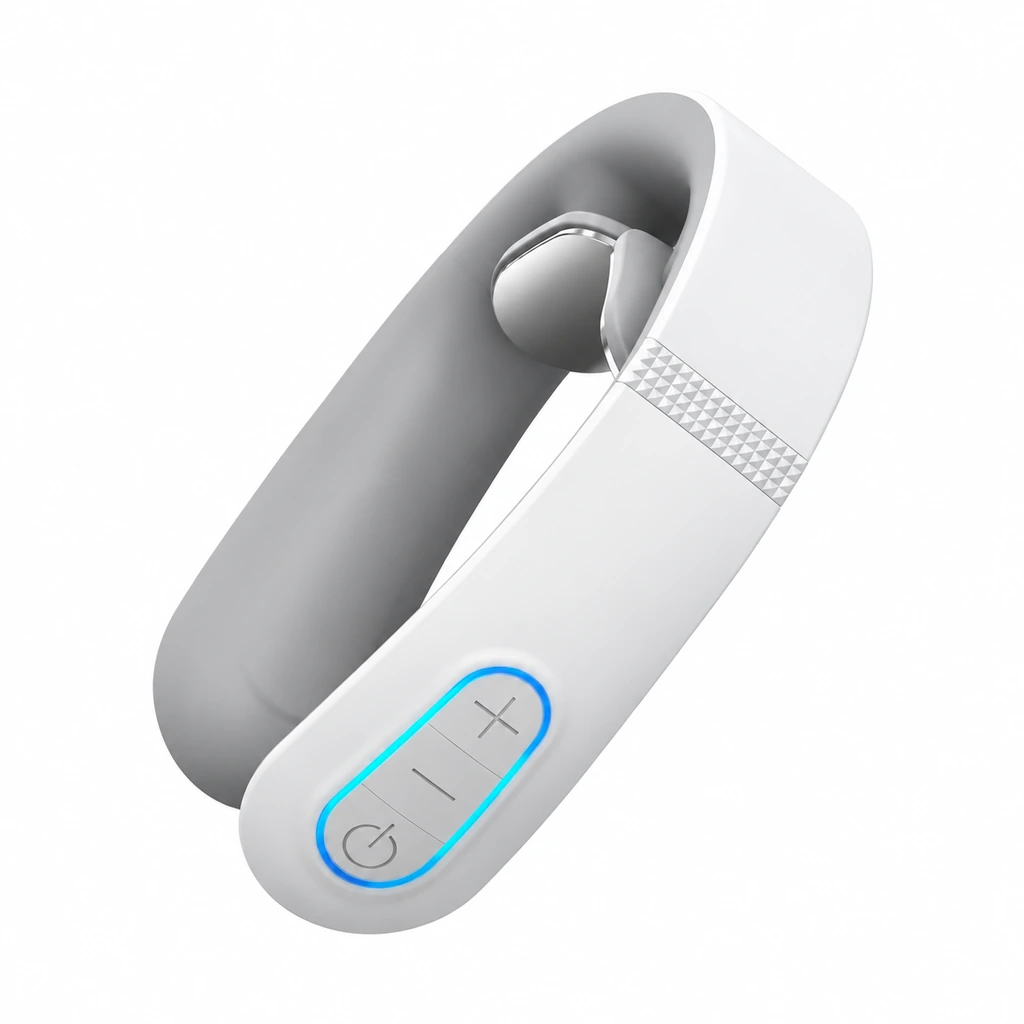
The F11 kit shown here includes a separate remote. Check how its instructions correspond to the physical buttons and whether the remote is part of the quoted kit. An additional control method may improve access, but it also creates another accessory to explain, retain and support.
Separate mode changes from intensity adjustments: a mode may change a sequence, while an intensity setting changes the level within a function. Use the modes versus intensity guide to structure those observations. Keep the starting condition and operating sequence consistent when comparing samples.
For charging, heat or timing claims, distinguish an informal observation from a measured test. Write down what was observed and under what conditions. Ask a qualified reviewer to define equipment, methods and limits where verification is required. Do not open, modify or deliberately stress the device as part of a basic usability review.
3. Record fit and finish without turning preference into a universal result
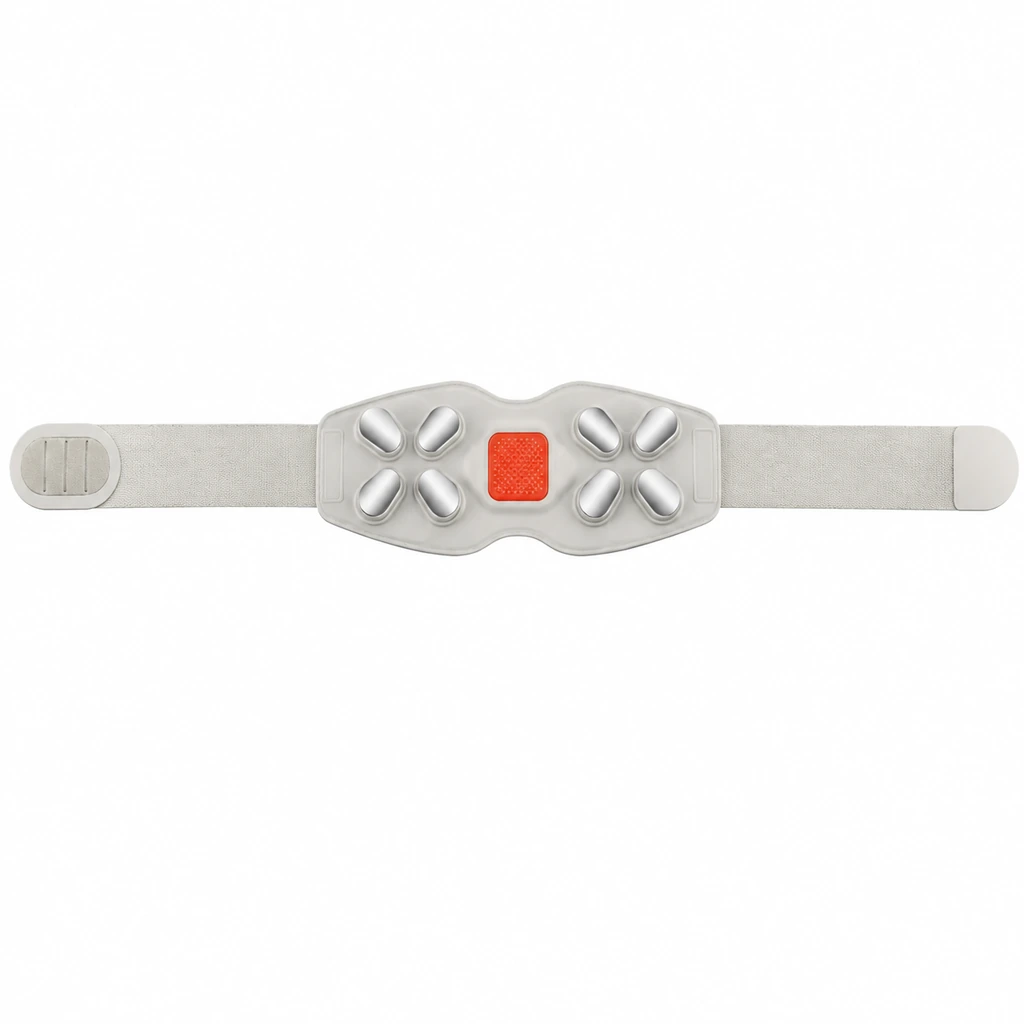
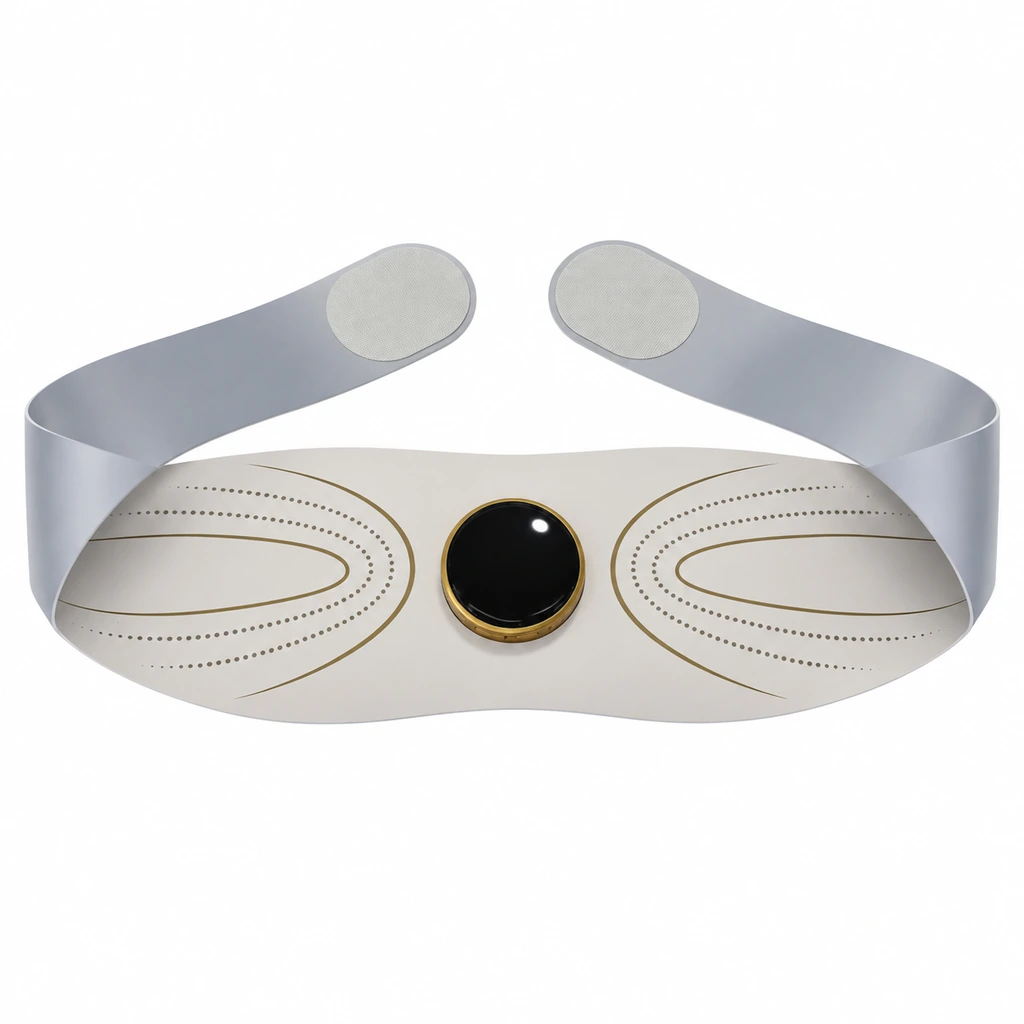
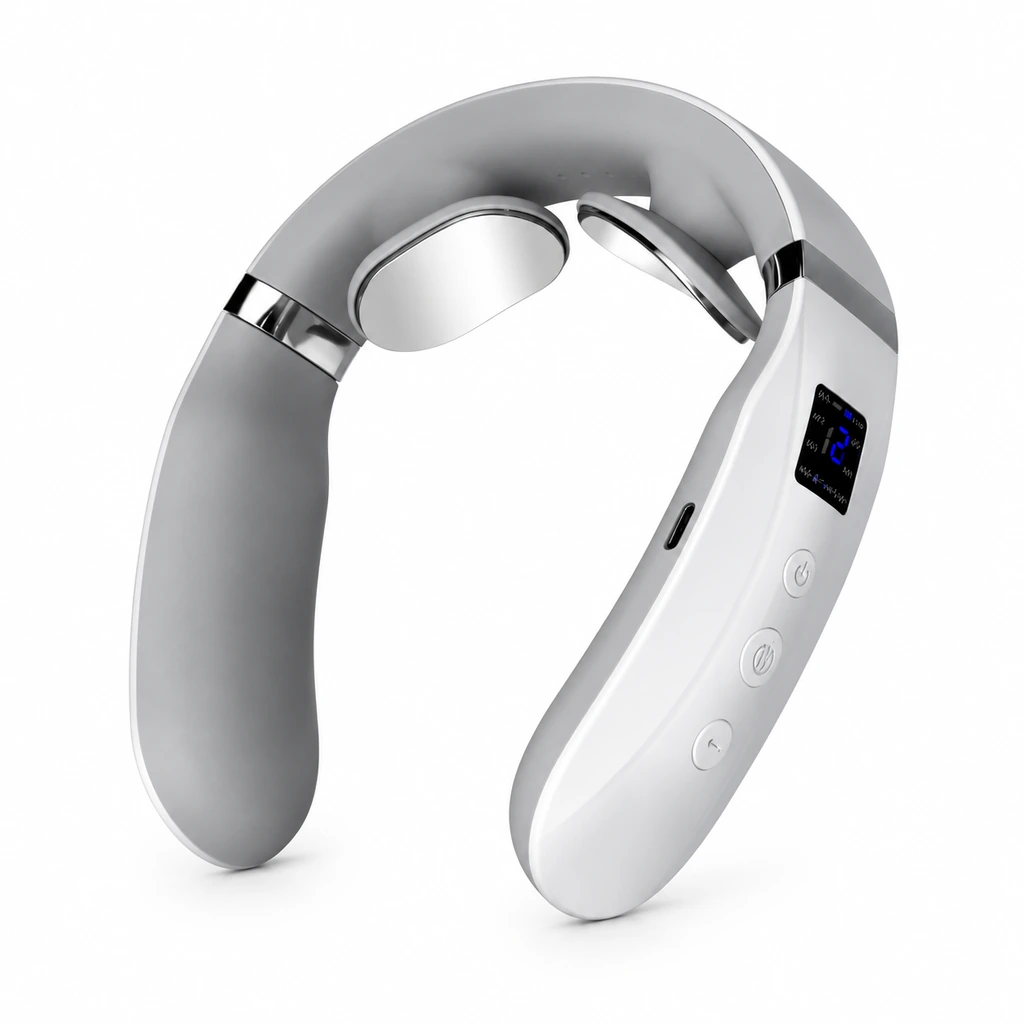
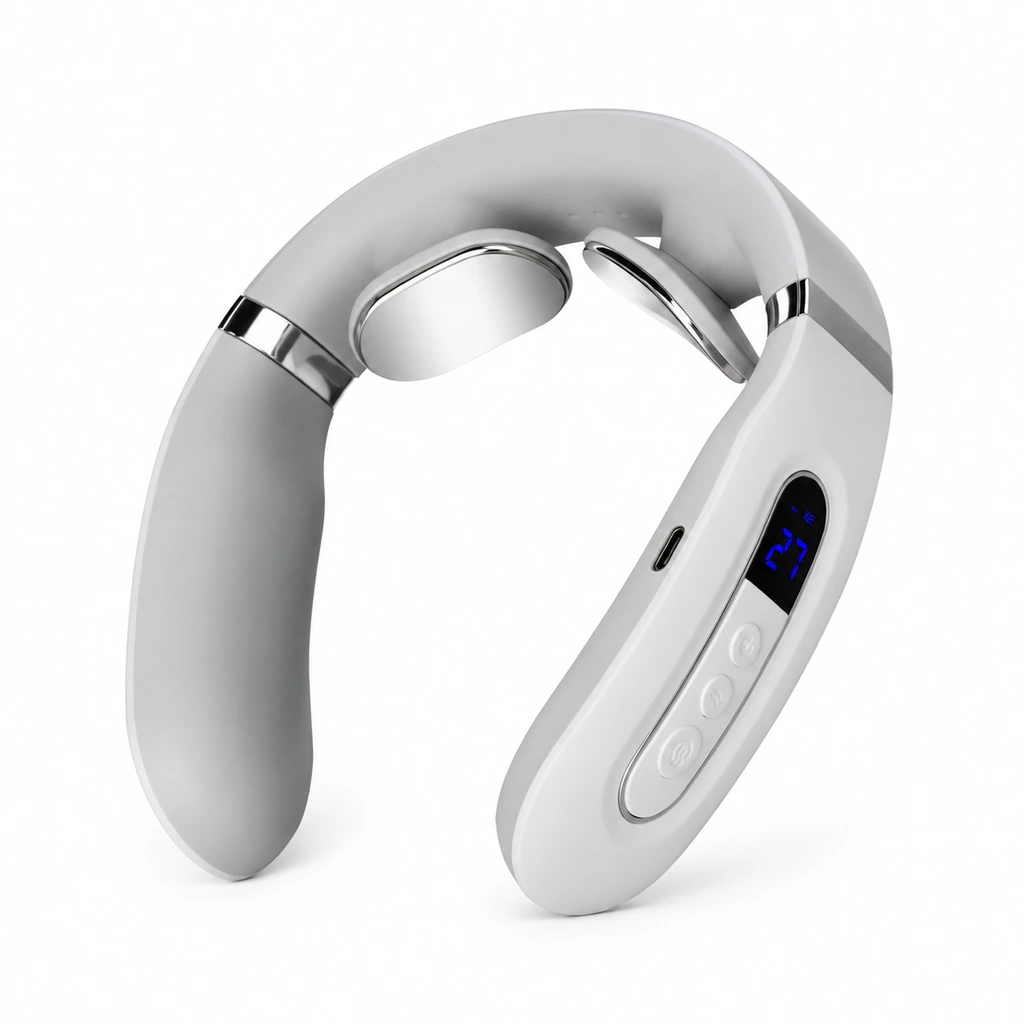
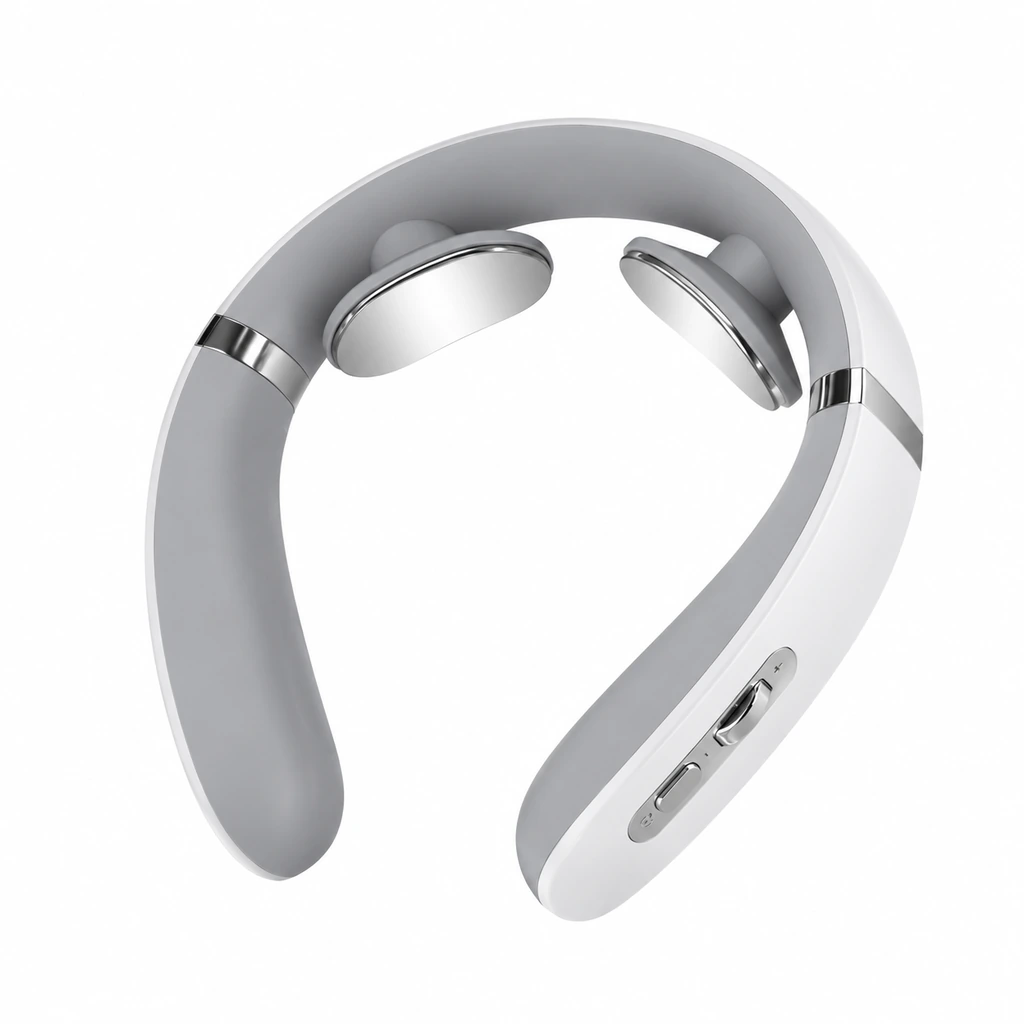
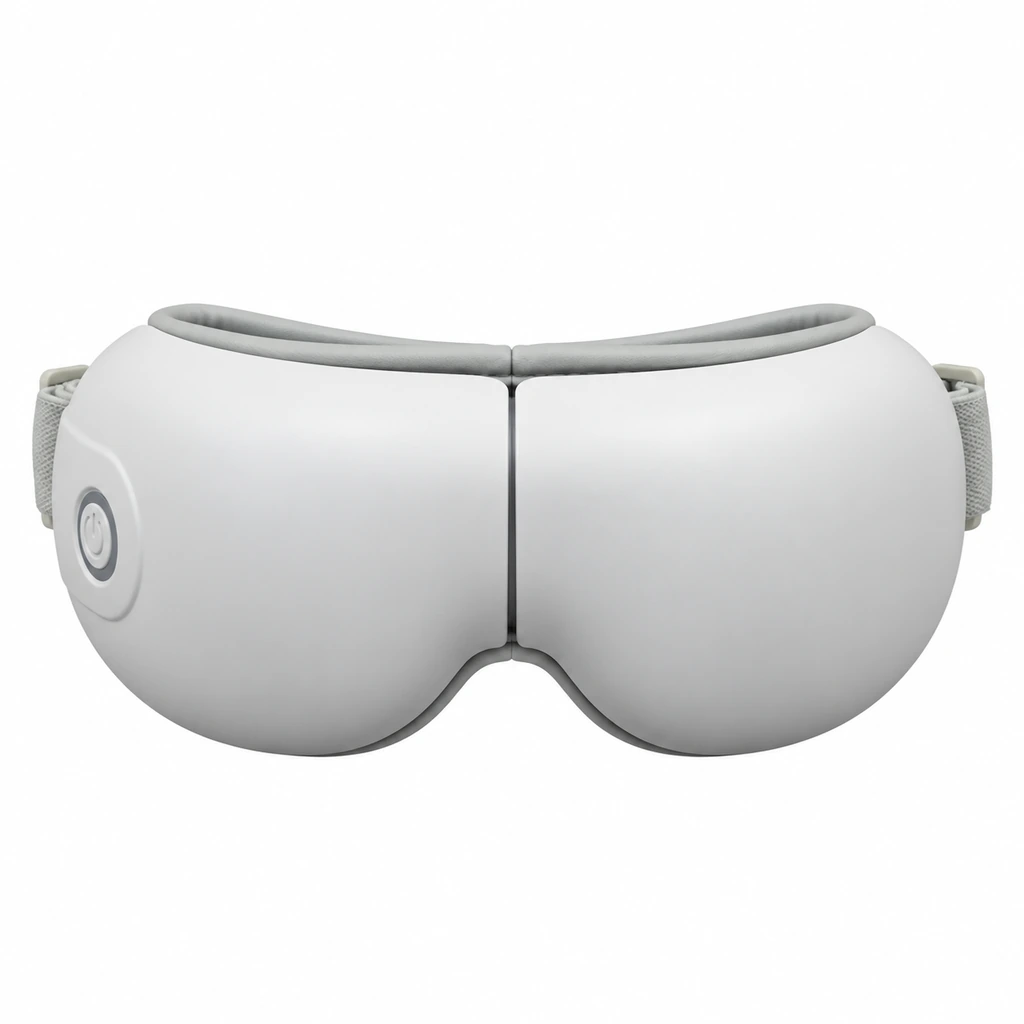
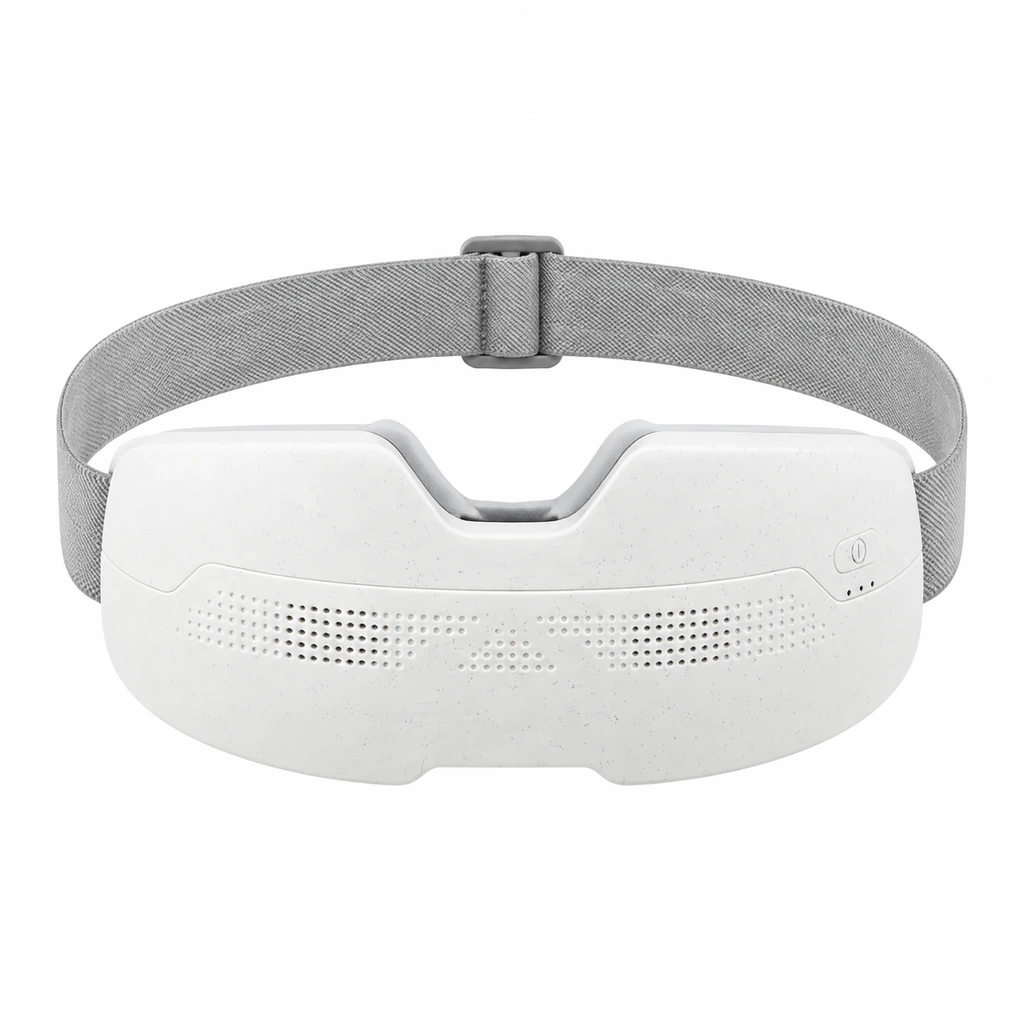
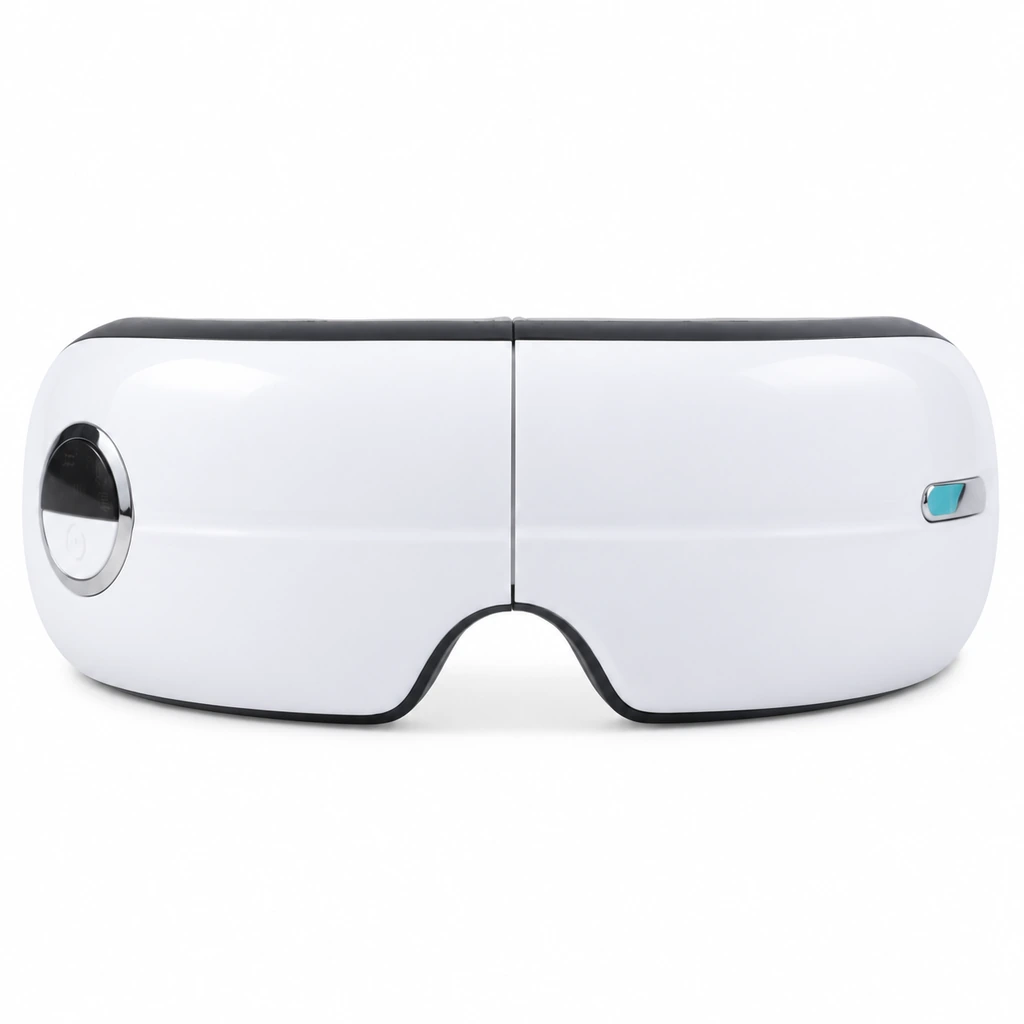
For wearable devices, record the wearing method, contact locations, stability and access to controls under the model's instructions. A favorable impression from one reviewer does not establish fit for every intended recipient. Use reviewers appropriate to the proposed audience and keep individual observations separate.
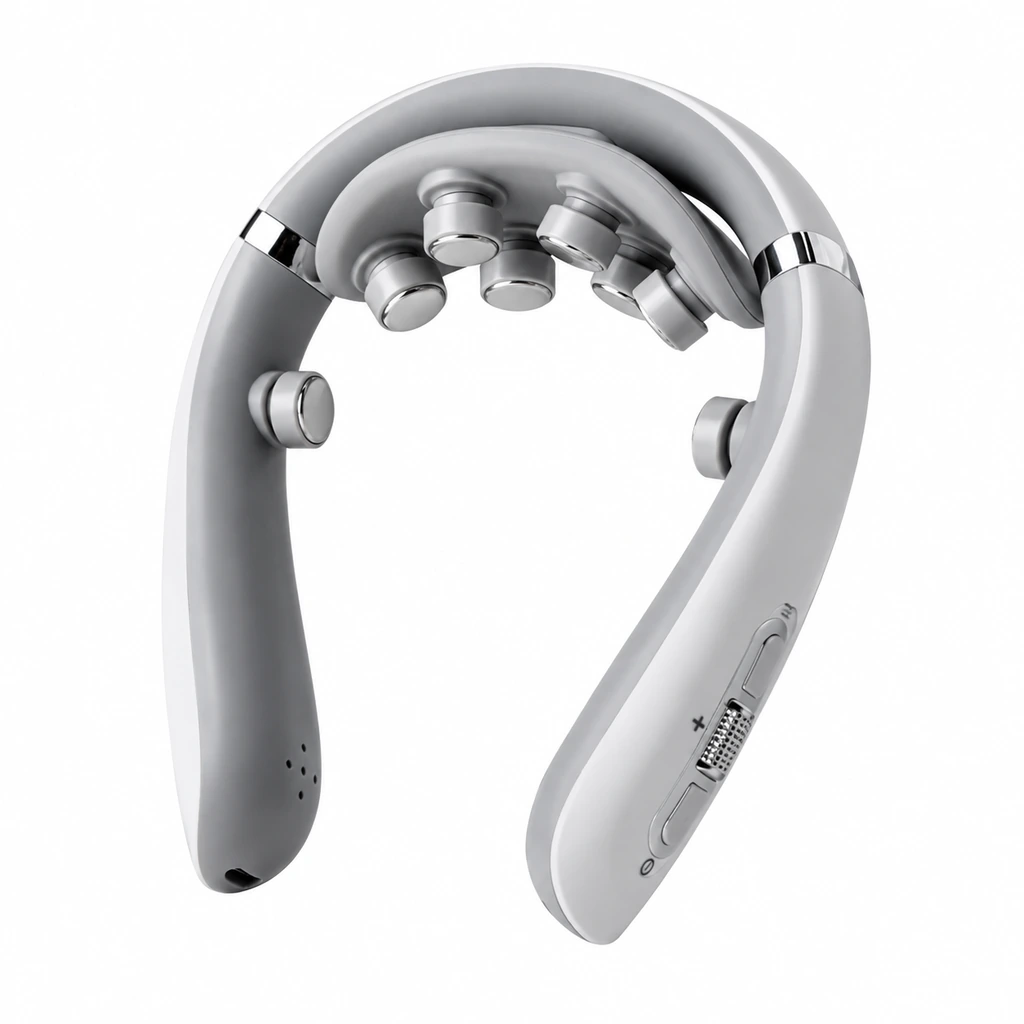
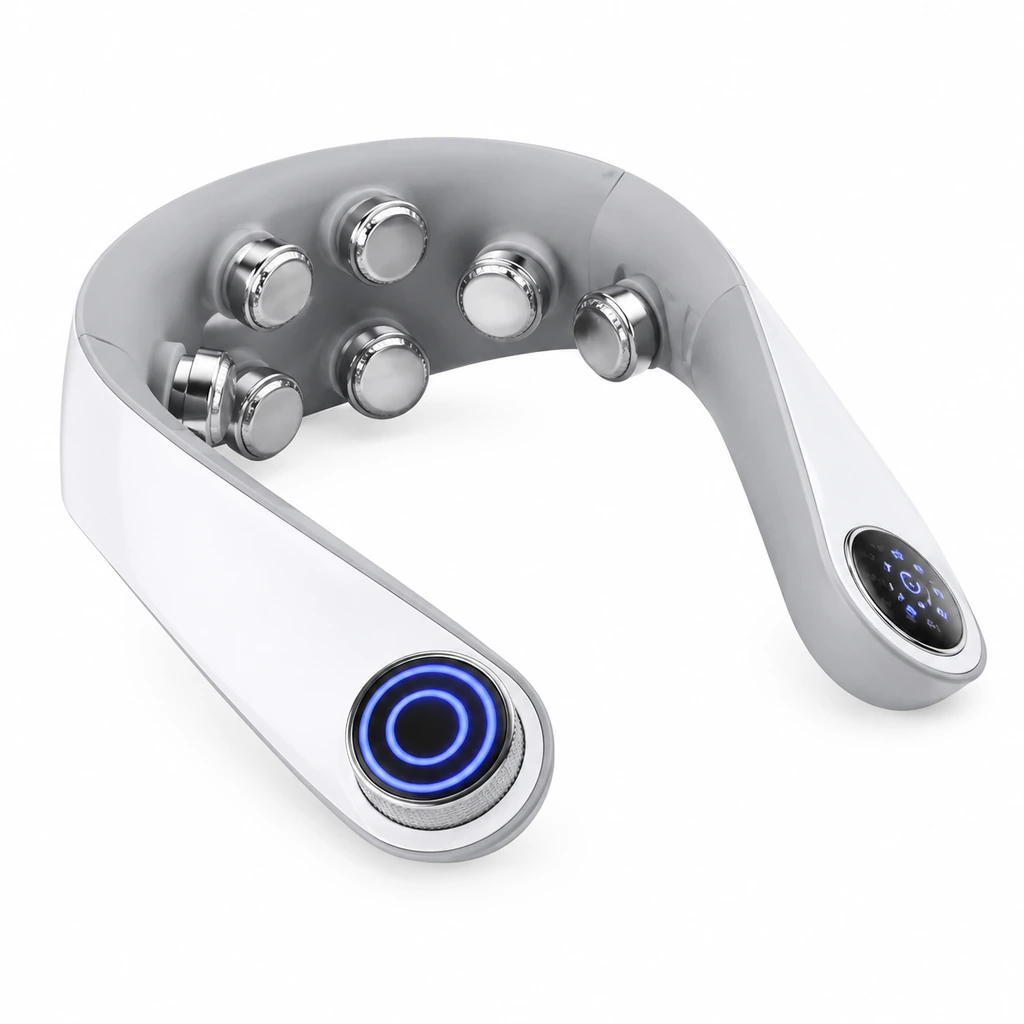
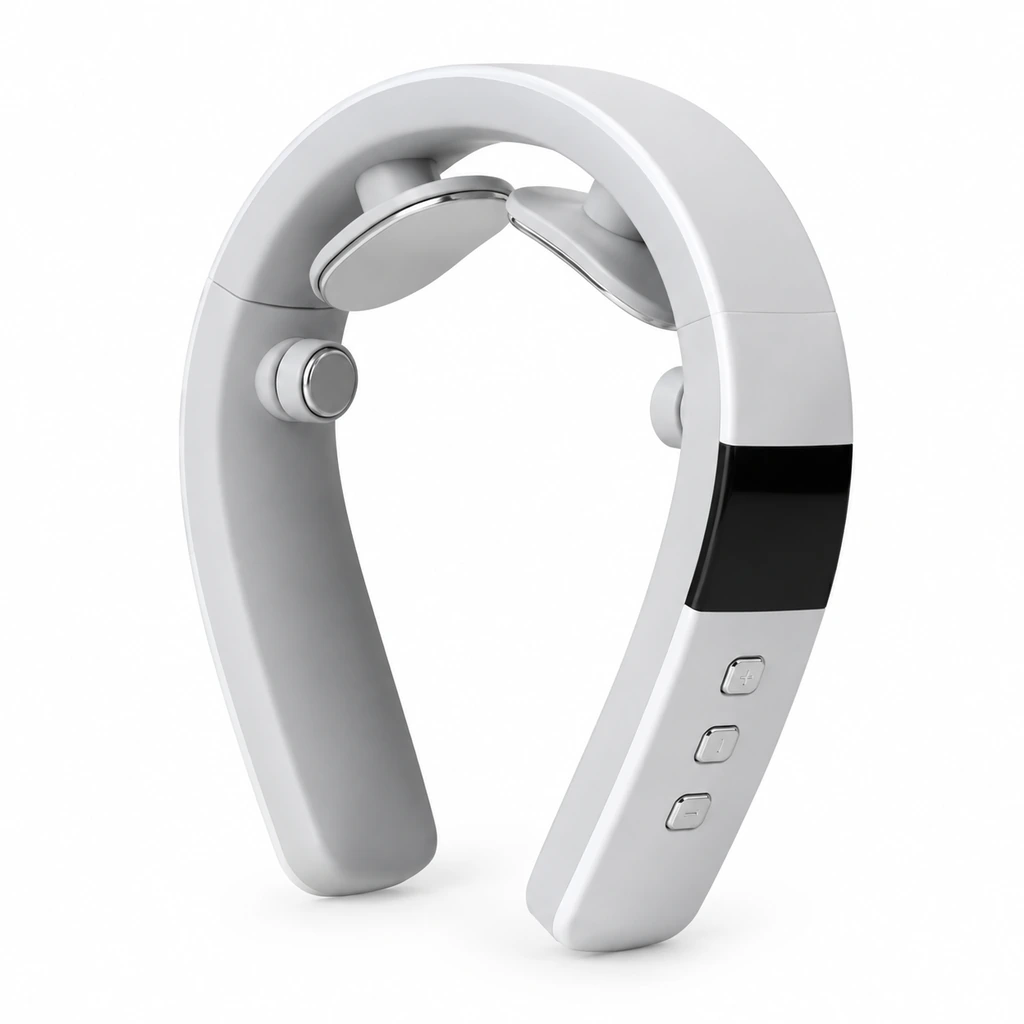
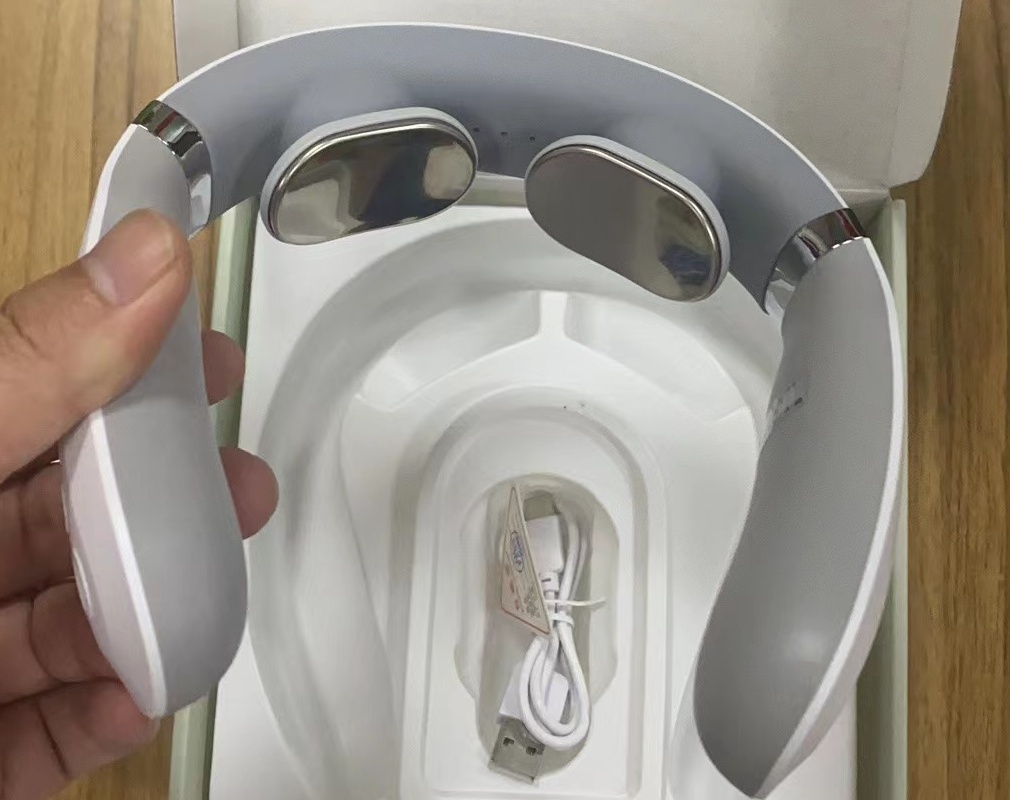
The supplied F10 photograph shows the inner contact surfaces and housing joins. Those are useful locations to reference in a photo log. Their appearance does not establish the stimulation mechanism, fit performance or an approved finish standard.
“I bought two models. The neck massager is quite good and has a substantial weight.”
Translated excerpt from buyer r**8, September 11, 2025, displayed on the 1688 company profile for Shenzhen Meilan Technology Co., Ltd. The specific model is not identified in the displayed review.
This feedback illustrates why a sample log should separate an impression from a requirement. “Substantial weight” may feel reassuring to one buyer but be less suitable for another buyer’s portability needs. Record the actual sample weight and evaluate it against the intended wearing routine rather than treating heaviness as proof of quality. The review is an individual buyer’s opinion, not a test result.
Describe a finding before judging it. “The right housing join catches the reviewer’s fingertip at the marked location” gives the supplier a place to investigate; “poor workmanship” does not. Sharp edges, loose parts, unusual heat or damaged cables warrant stopping the relevant activity and seeking technical assessment, rather than treating them as cosmetic preferences.
4. Review the kit, instructions and presentation together
Lay out the device, cable, remote if applicable, manual and packaging against the agreed packing list. Record missing, substituted or unconfirmed items. A product photograph may show accessories that are not included in a particular quotation, so use the written list rather than assumptions.
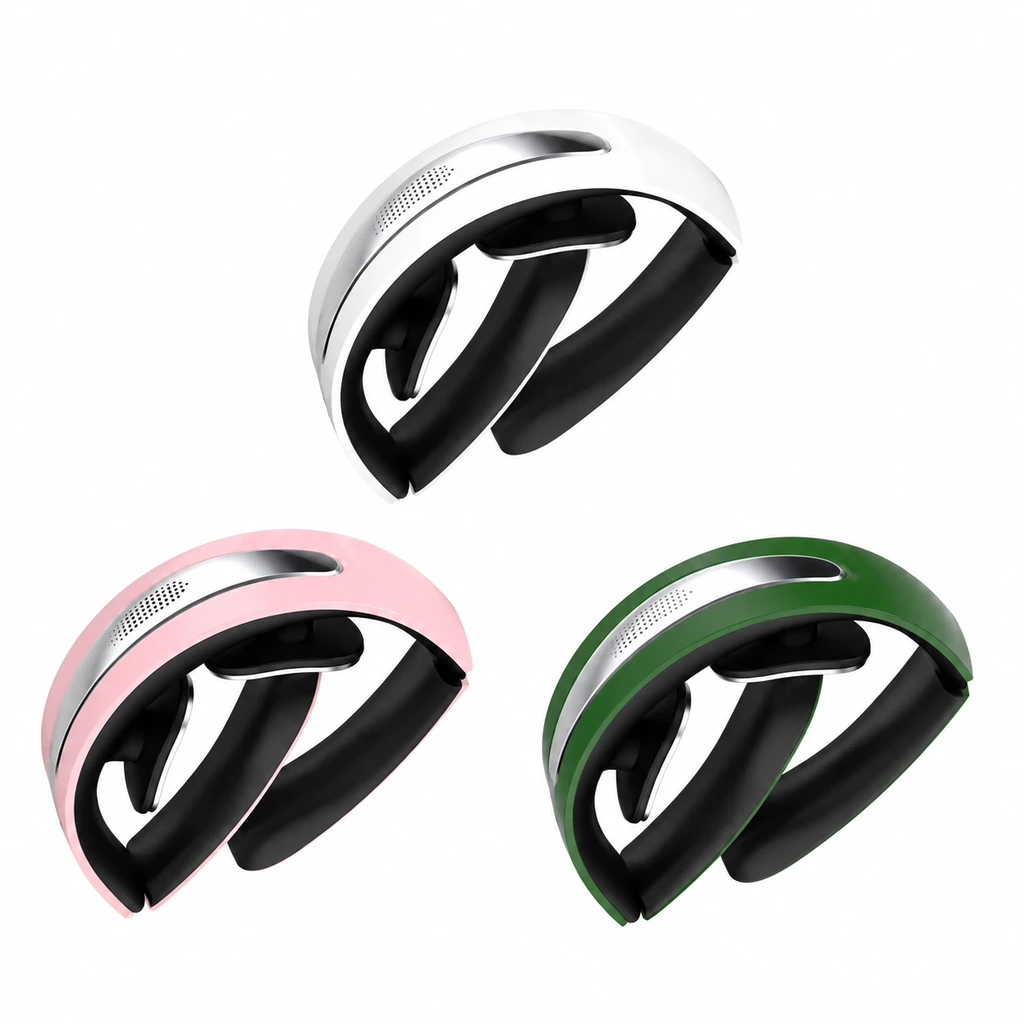
Check that the model, function names and operating steps agree across the device, manual, insert and proposed listing. Then inspect branding location and artwork against the agreed proof. Keep a preference such as a different sleeve color separate from a mismatch such as a manual describing controls absent from the sample.
If presentation packaging is unfinished, record that boundary explicitly. The device can be suitable for continued development while the complete kit remains unapproved. Conversely, a polished gift box should not close unresolved operating or document questions.
5. Send one feedback register with evidence and an owner
Use one row per finding, with the sample identifier, requirement reference, observation, photo or video reference, priority, requested action, owner and closure evidence. The example below is illustrative, not a record of a Meilan product defect.
| Review area | Record | Next action |
|---|---|---|
| Control instructions | Required button action differs from the supplied manual | Supplier confirms intended behavior and matching document revision |
| Kit completeness | Accessory on the agreed list is absent | Confirm packing scope and provide the missing item for review |
| Finish preference | Buyer requests another gloss level | Confirm feasibility, cost and a physical approval reference |
| Unconfirmed function | Observed behavior does not resolve the specification requirement | Agree on a verification method and responsible reviewer |
Separate mandatory corrections from preferences and open buyer decisions. For each correction, ask what will change and what evidence will close the issue. A photograph can confirm a revised marking, but it cannot demonstrate changed control behavior; that may need a video followed by a physical recheck. Agree on a response date without assuming a universal sample turnaround time.
6. Approve a defined scope, then retain the reference
AcceptAgreed criteria are met for the stated sample stage.Revise and recheckIdentified corrections need evidence from the changed version.HoldRequirements, suitability or technical questions remain unresolved.Record who approved which configuration, on what date and for what purpose. “Approved for artwork development” is different from approval to proceed with production. If only part of the sample is accepted, state the exclusions and keep the overall release decision clear.
Retain the identified reference sample, final kit list and approved document versions. For a revised sample, recheck the corrected item and any functions, labels or accessories affected by the change. Use the specification-freeze checklist to connect the final review to controlled production requirements. One acceptable sample does not establish the quality of an entire future batch.
Ready to review a sample? Contact Meilan with the intended use, candidate model, project brief and prioritized feedback register. Ask which configuration can be supplied and which items need confirmation before the next approval.

