



Waist Massager Structural Changes: OEM Brief Guide
Turn a waist-belt fit problem into an OEM change request by documenting the gap, checking existing options and agreeing feasibility and sample approval gates.
 Meilan Tech 5 min read
A request to “make the waist belt fit more people” is not yet a design instruction. First identify where the approved sample fails: fastening overlap, panel position, strap reach or wear stability. Then ask whether an existing configuration solves that measured problem. Only the unresolved gap should become a structural-change request.
A practical buyer scenario (illustrative): A wellness brand plans an online waist-massager listing for a wider size range. On its shortlisted sample, the belt closes on one test wearer but the contact panel shifts when the wearer sits; on another, the fastening overlap is too short. The team asks the supplier to “make the strap longer.”
The pain point: a longer strap alone may change where the panel sits and how the fastener holds. If the buyer approves only a dimension on a drawing, the finished belt may still be difficult to wear or describe accurately in the size guide. The team needs a repeatable fit observation and a scoped change proposal, not a quick promise of broader fit.
Describe the failure before naming the modification
Record the current model and sample revision, the tested waist measurements, clothing layer, fastening position and what happened while standing and sitting. Photograph the belt opened flat and worn at the failing position, with consent and without implying that one wear test defines the whole market. State the acceptance condition in observable terms: for example, the fastener must have a defined overlap and the contact panel must remain at the intended position during the agreed movement check. The actual dimensions and pass limits must be agreed for this project.
This is distinct from a general waist-belt sizing review. That guide explains how to measure a belt; this brief decides what to do when those measurements reveal a gap in the version the brand wants to sell.
Keep one baseline sample in view
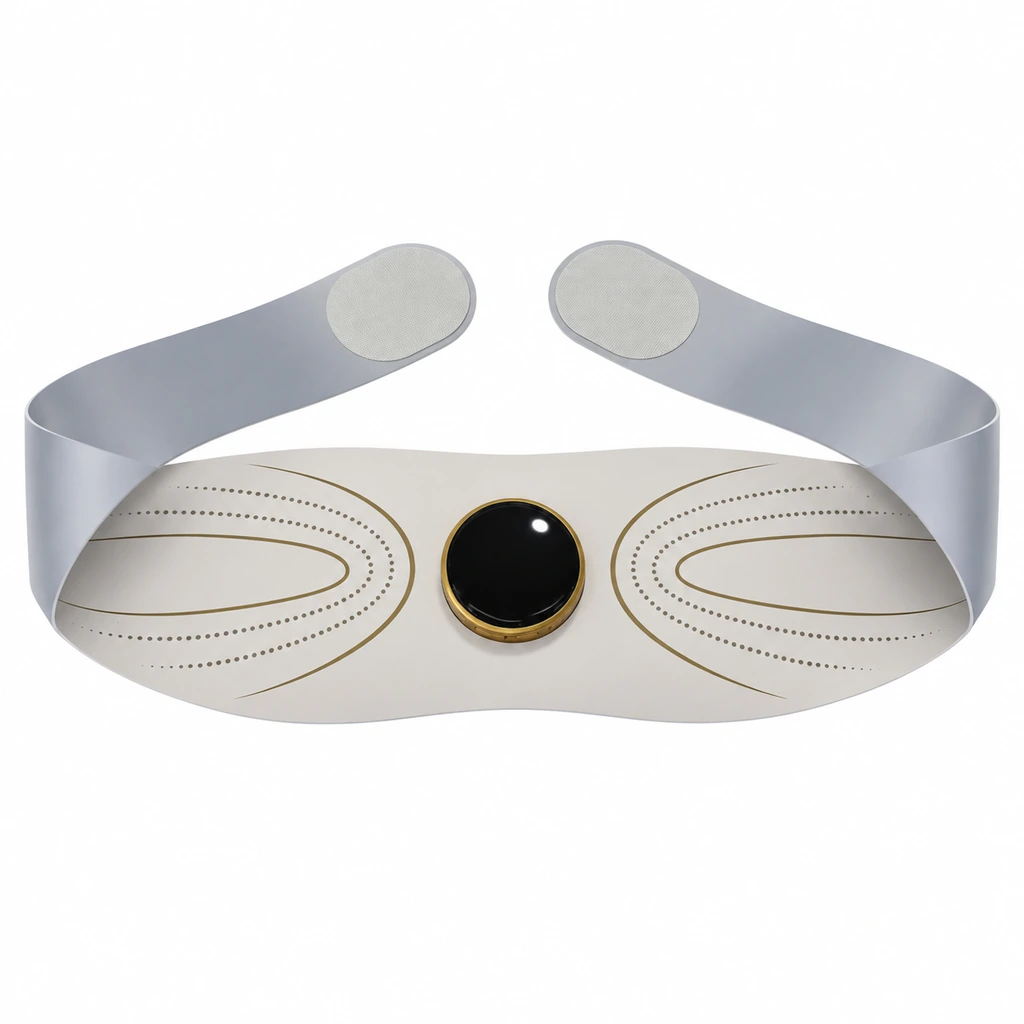
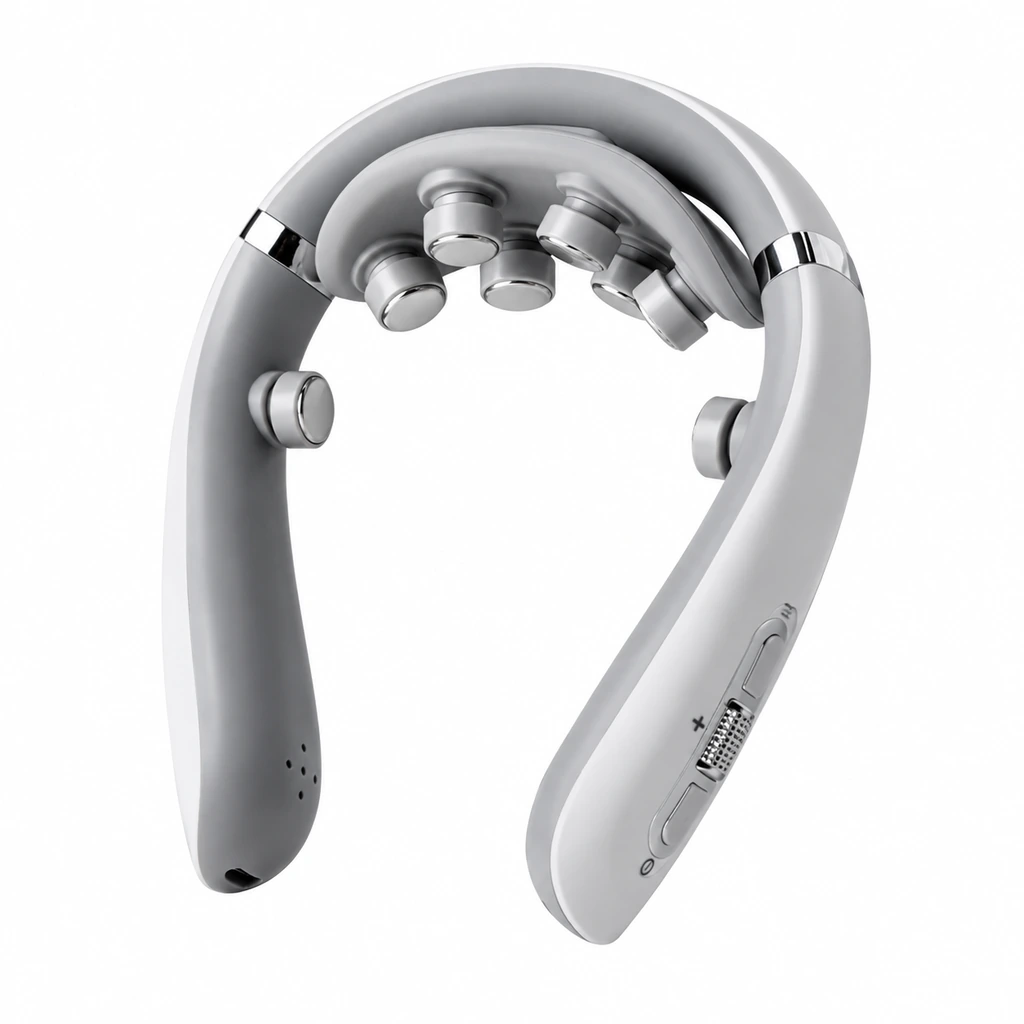
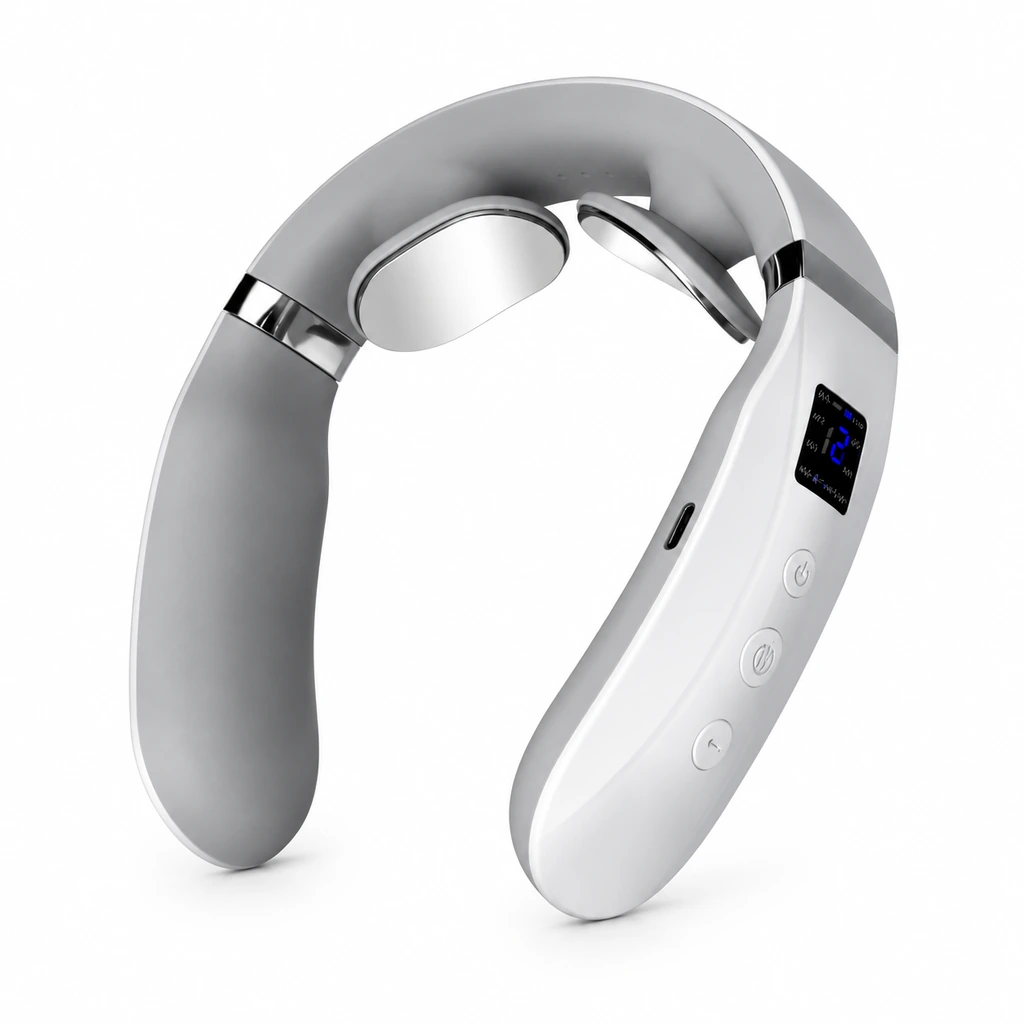
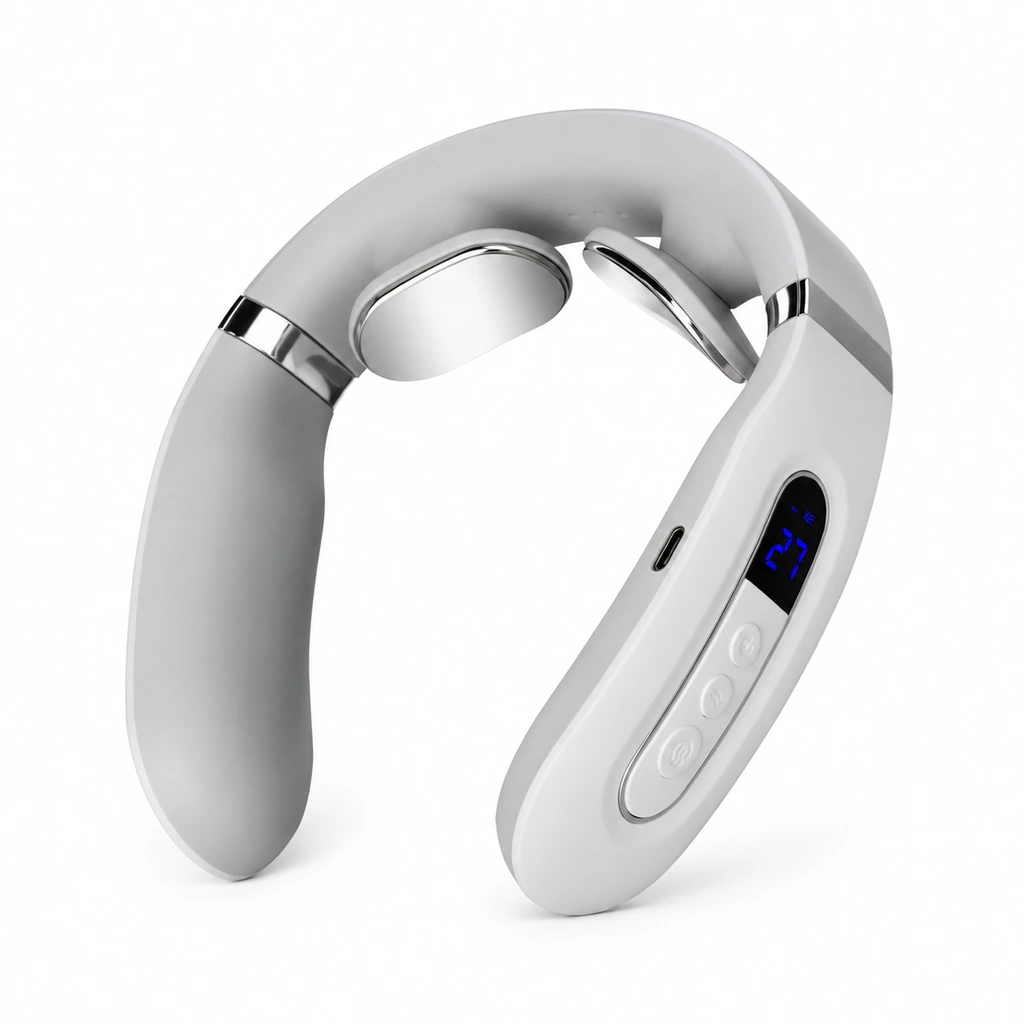
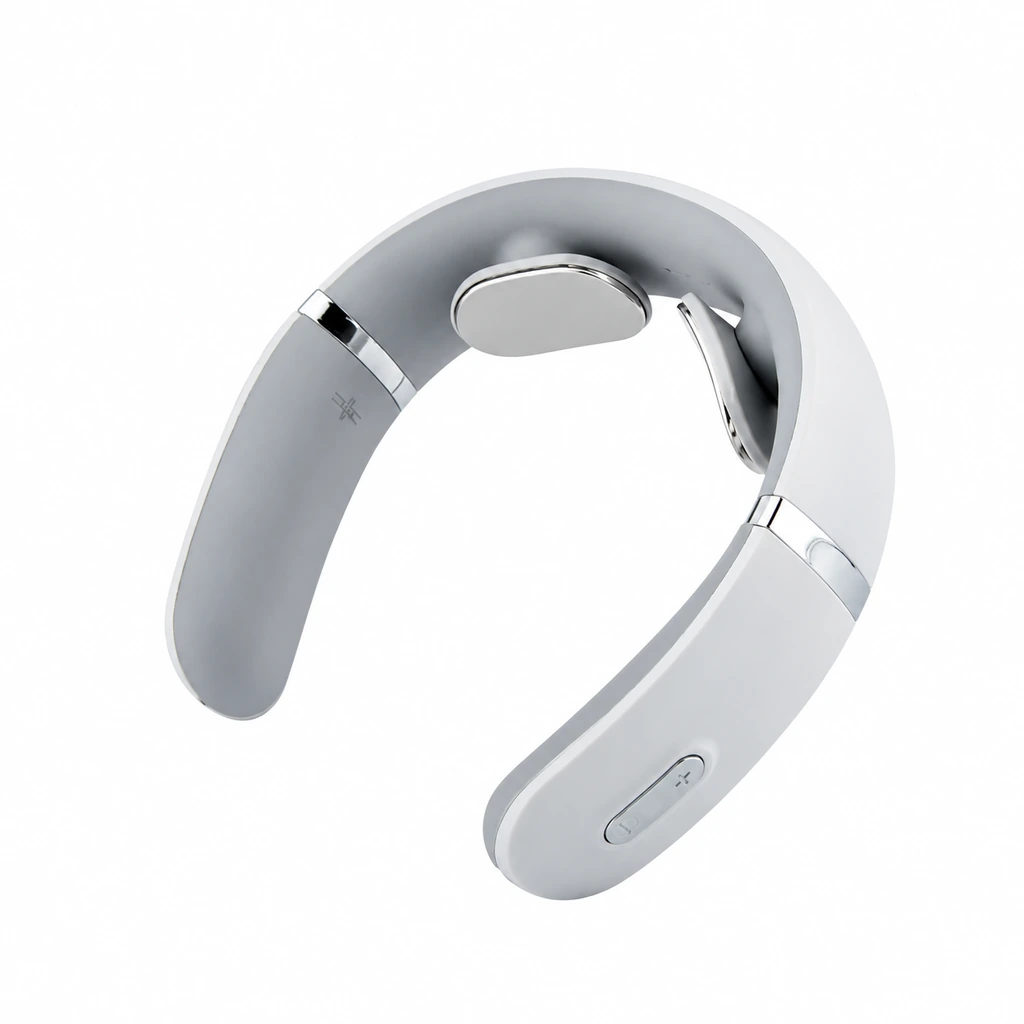
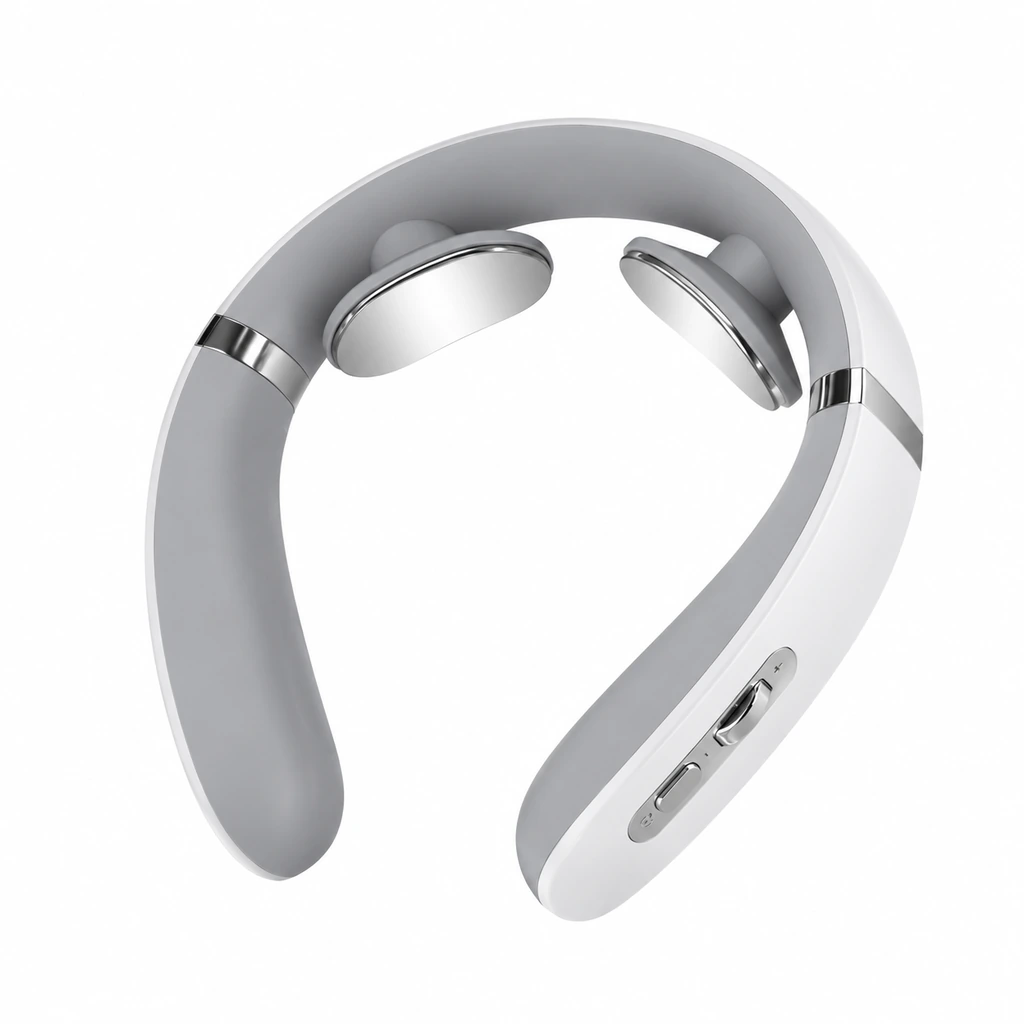
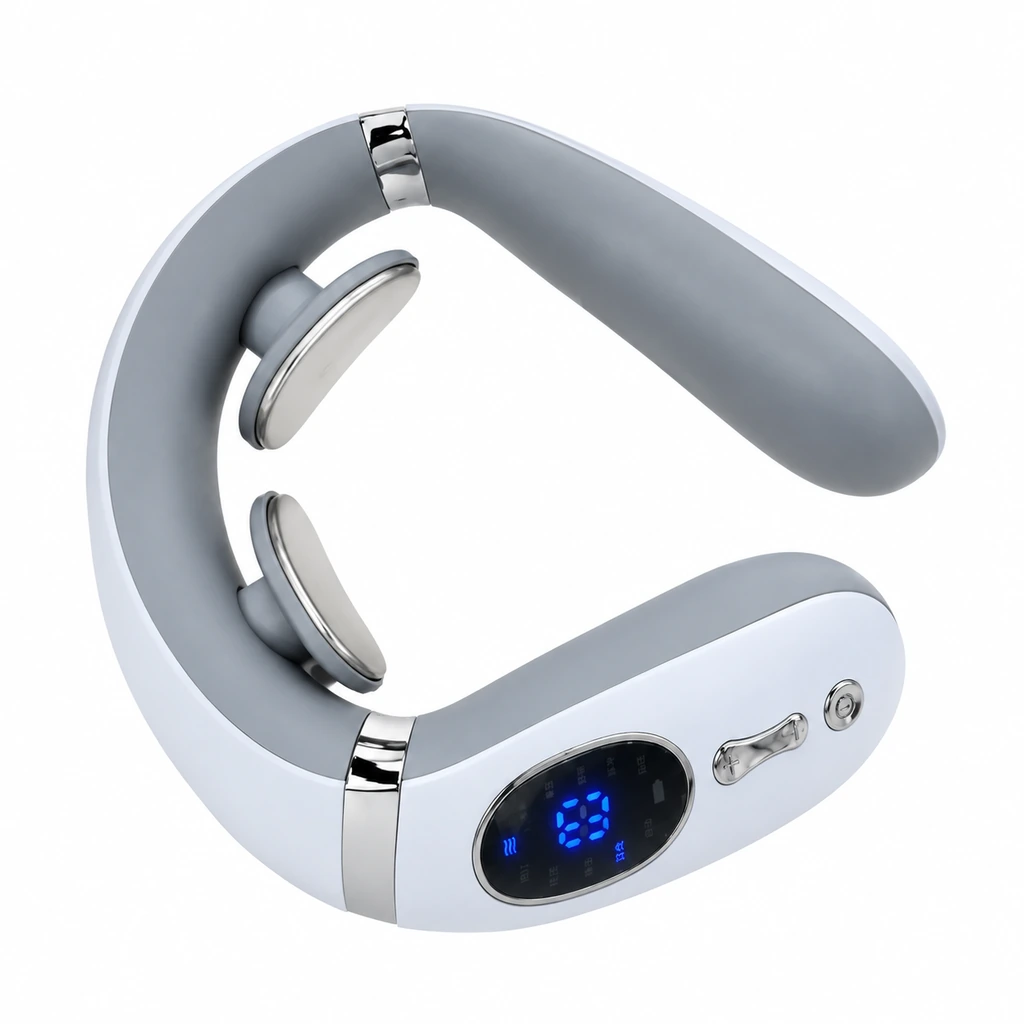
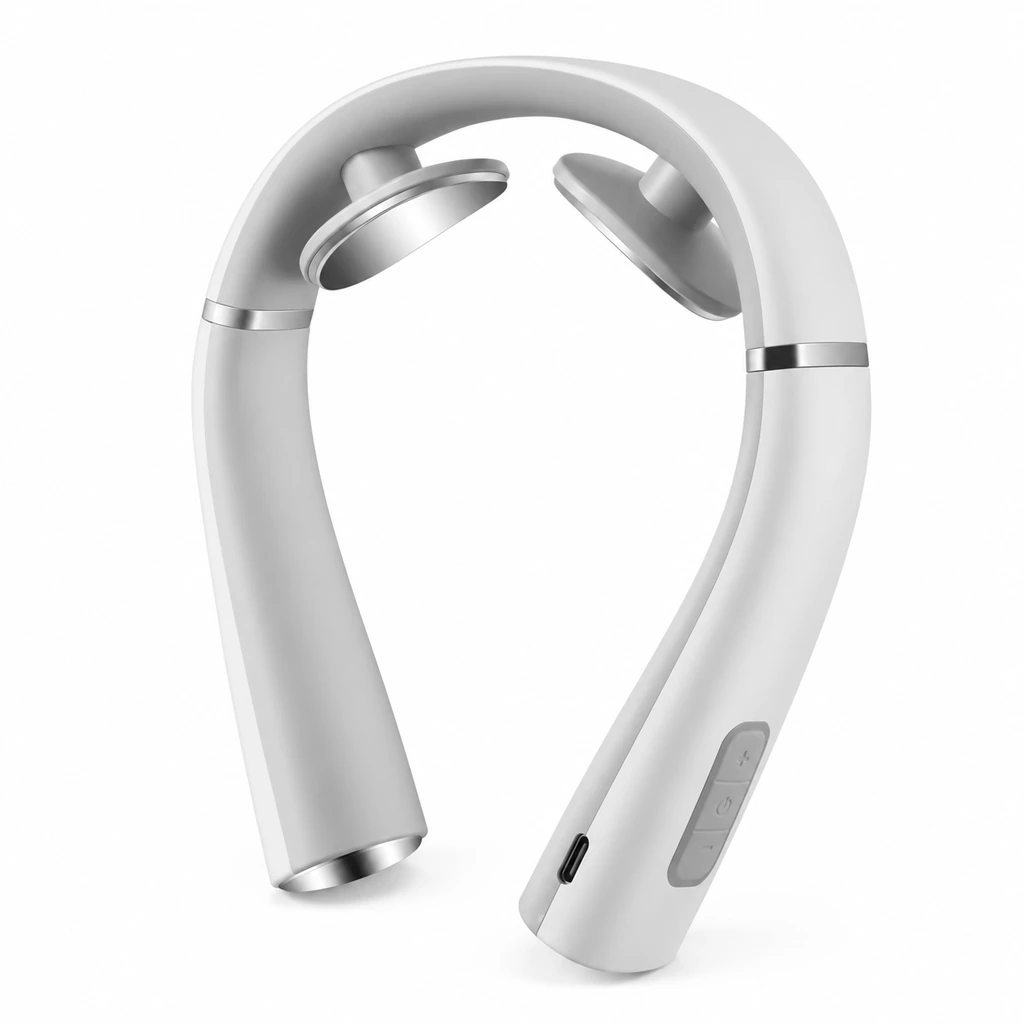
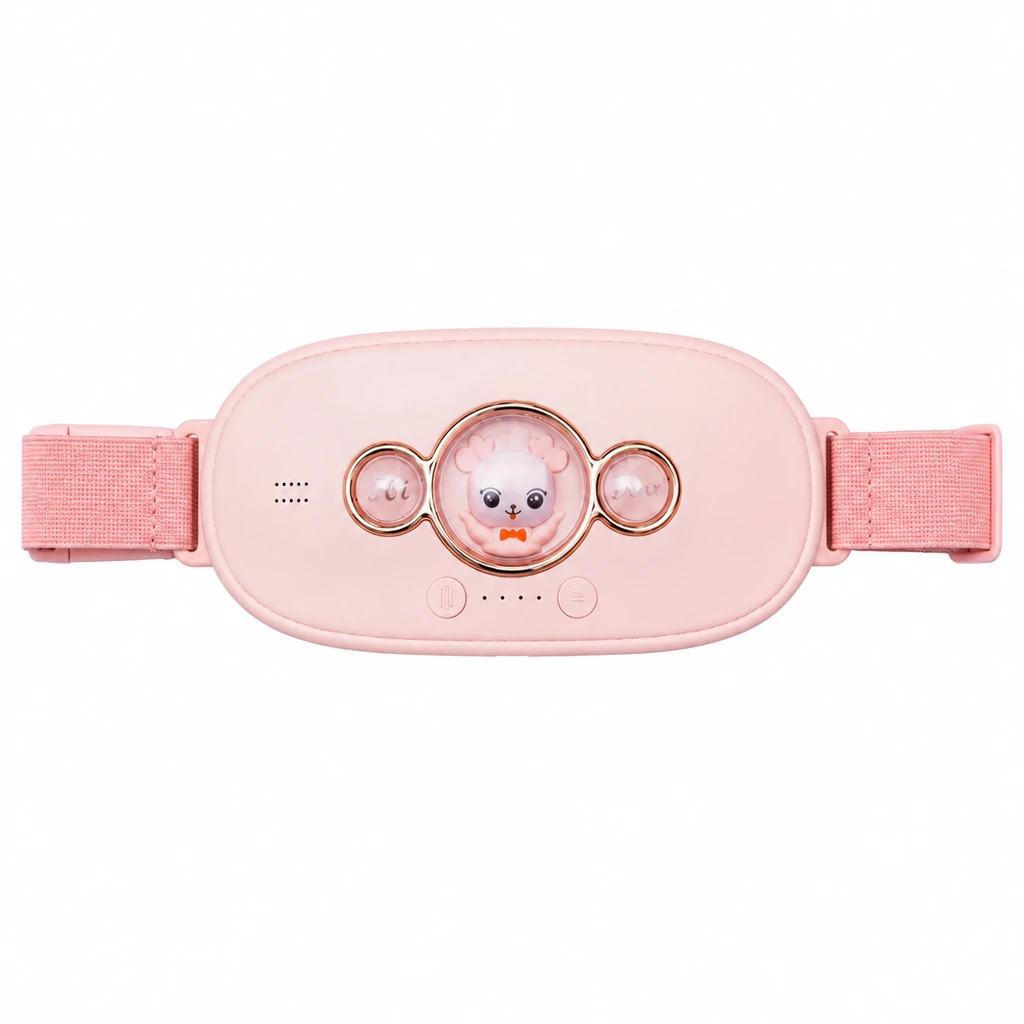
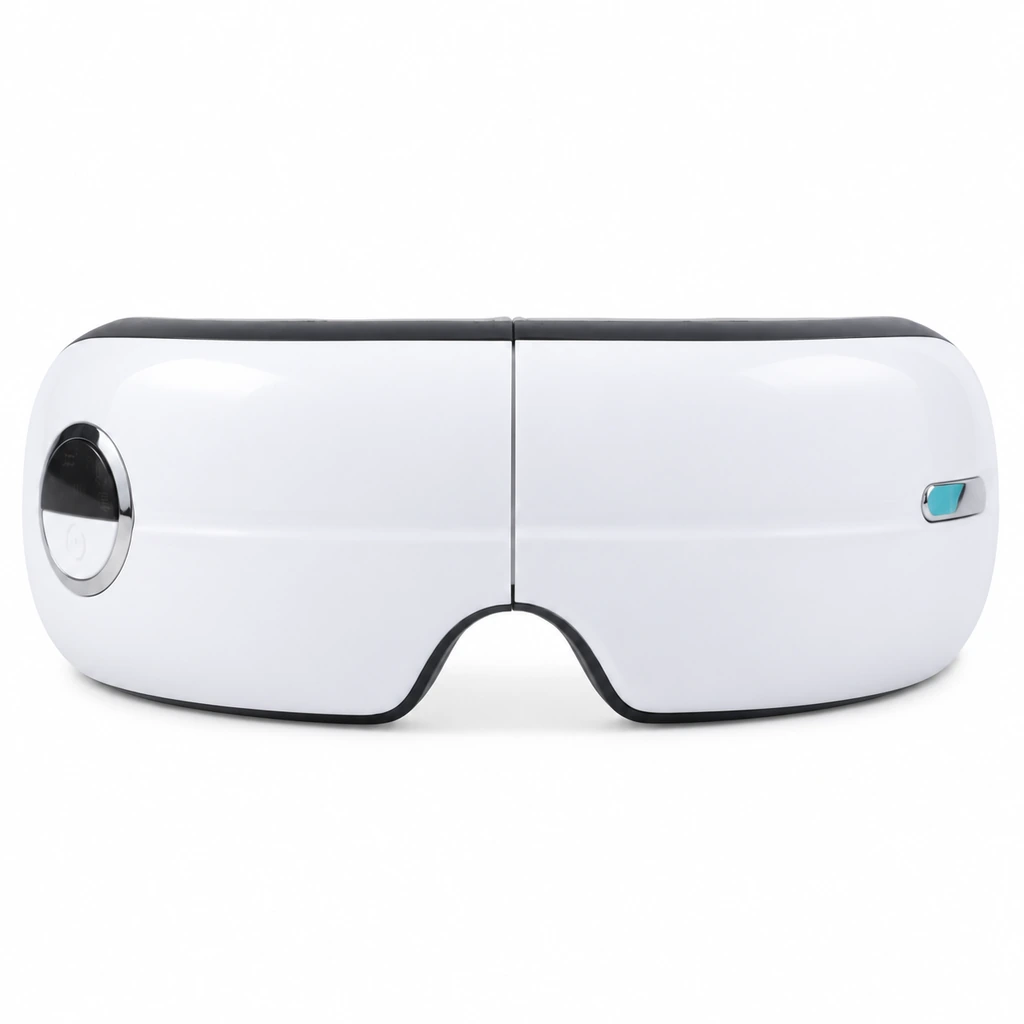
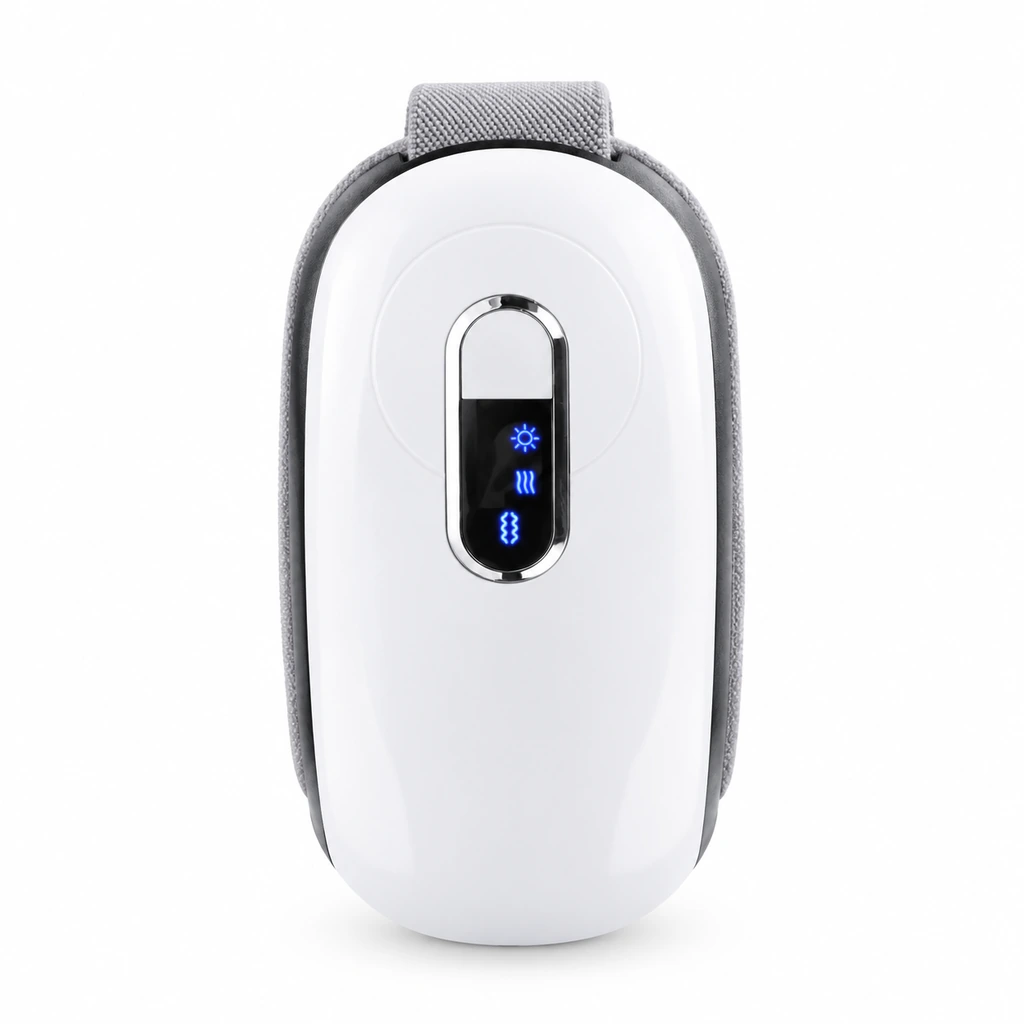
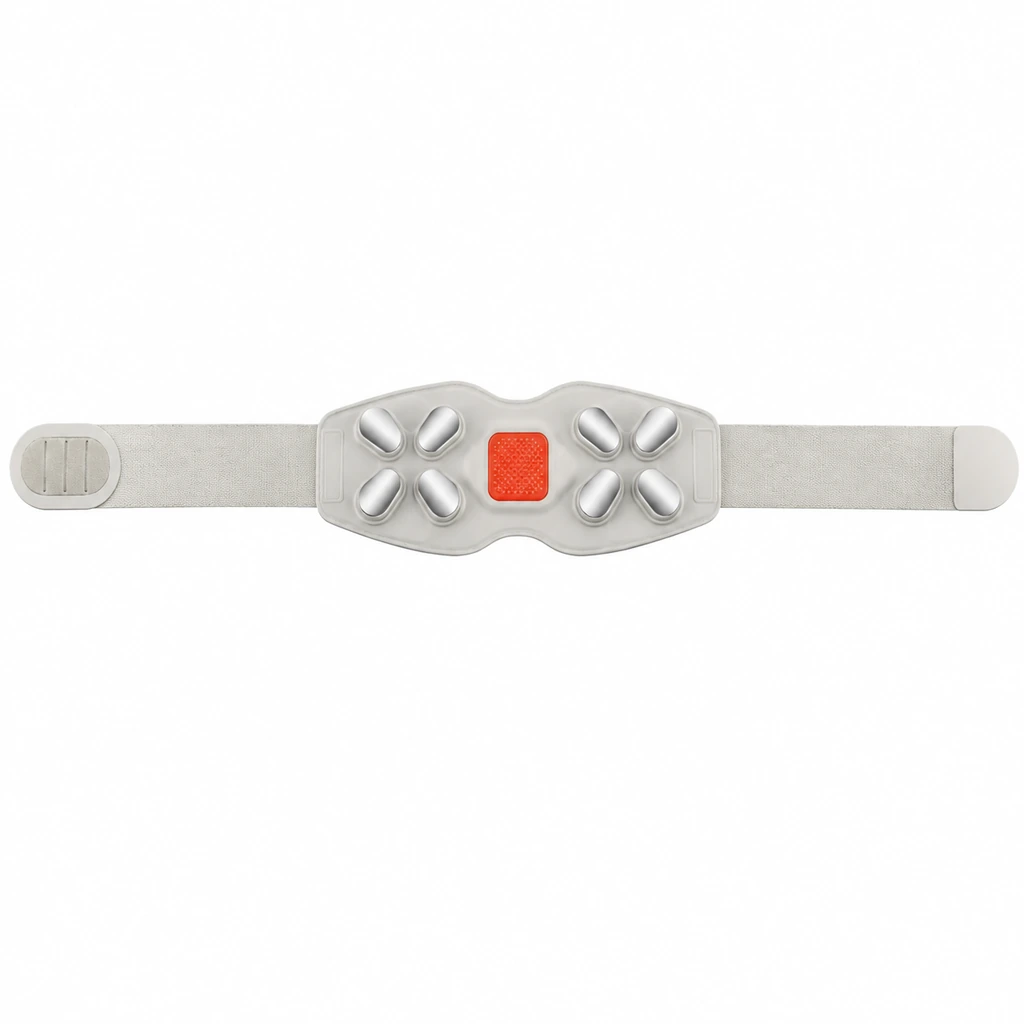
The Meilan A1 can serve as a reference when the brief concerns its belt and contact layout. Identify the exact sample version before marking a proposed change. The image is not a drawing of an approved longer strap or a guarantee that an altered structure is available.
Route the request to an existing solution or a feasibility study
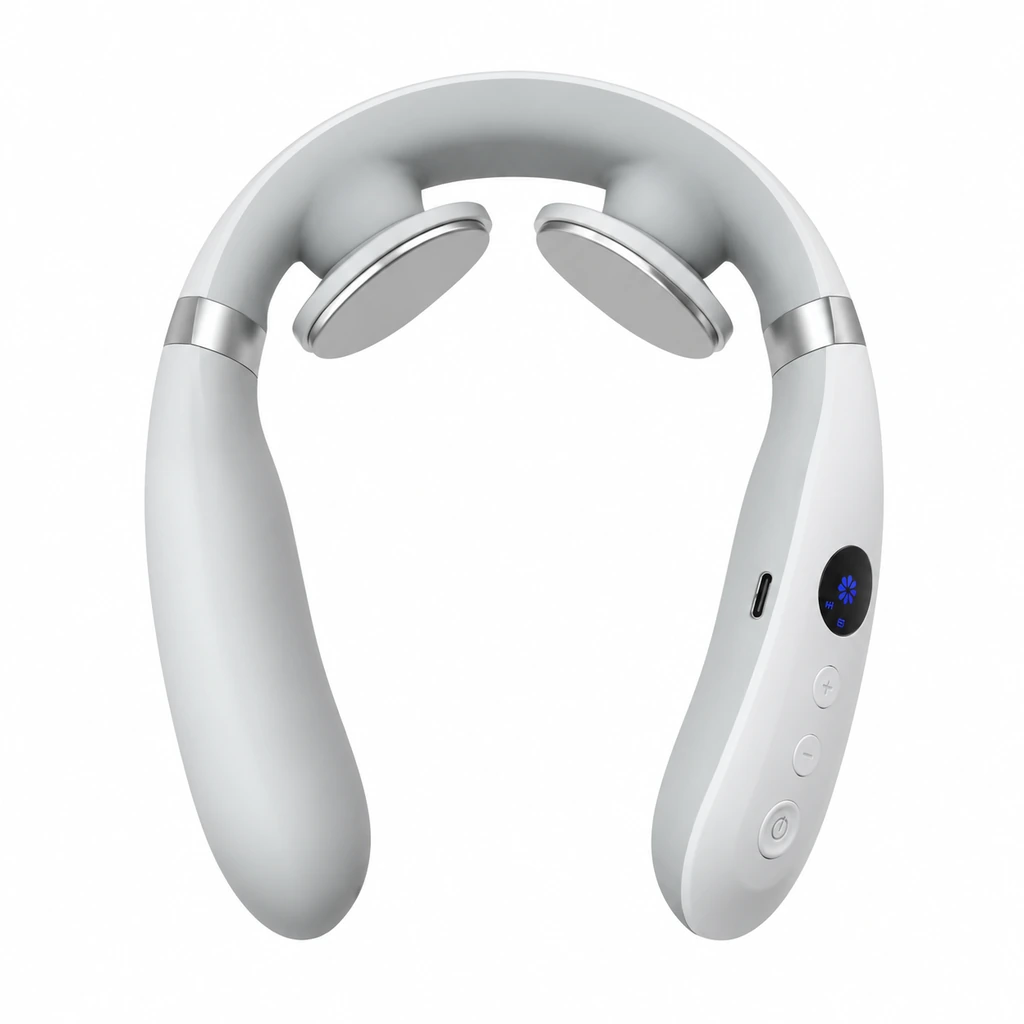
Ask the supplier whether an existing belt size, strap option or another current configuration meets the recorded condition without changing the product architecture. An available option still needs its own sample and quoted version. If no current option meets the condition, request a feasibility response for the smallest necessary structural change. Keep a different product model out of the proposal unless the brand is willing to reassess the whole product; an A9 photograph, for example, does not make its strap or panel interchangeable with A1.
| Observed gap | First question | Next gate |
|---|---|---|
| Fastener reach is insufficient, while panel position is acceptable. | Does an existing approved strap option meet the measured range? | Test that option on the intended wearers and confirm its quoted version. |
| Panel moves out of position even when the belt closes. | Is this a wearing/setup issue, or would panel/strap geometry need to change? | Supplier feasibility review, then a prototype fit check if a change is proposed. |
| The brand requests a new control housing or contact layout. | Which parts, instructions and product records would the change affect? | Written development and verification plan before treating it as a production option. |
Make the feasibility answer specific
A useful reply names the baseline model and revision, the proposed change, affected parts and drawings, prototype stage, open technical questions and records that may need review for the target market. Ask the supplier to identify what remains unchanged as well. That prevents a narrow strap request from silently becoming a different contact panel, electrical layout or packed kit.
The reply should also separate what can be assessed now from what depends on a physical prototype. Do not set a firm launch claim, production date or unit-cost expectation from a verbal “yes.” Commercial terms for design, tooling, samples and production belong in a later itemized proposal once the work scope is defined. The Meilan OEM/ODM page provides a route to discuss a project; its general service description is not approval of this particular modification.
Mark a discussion area, not an approved redesign
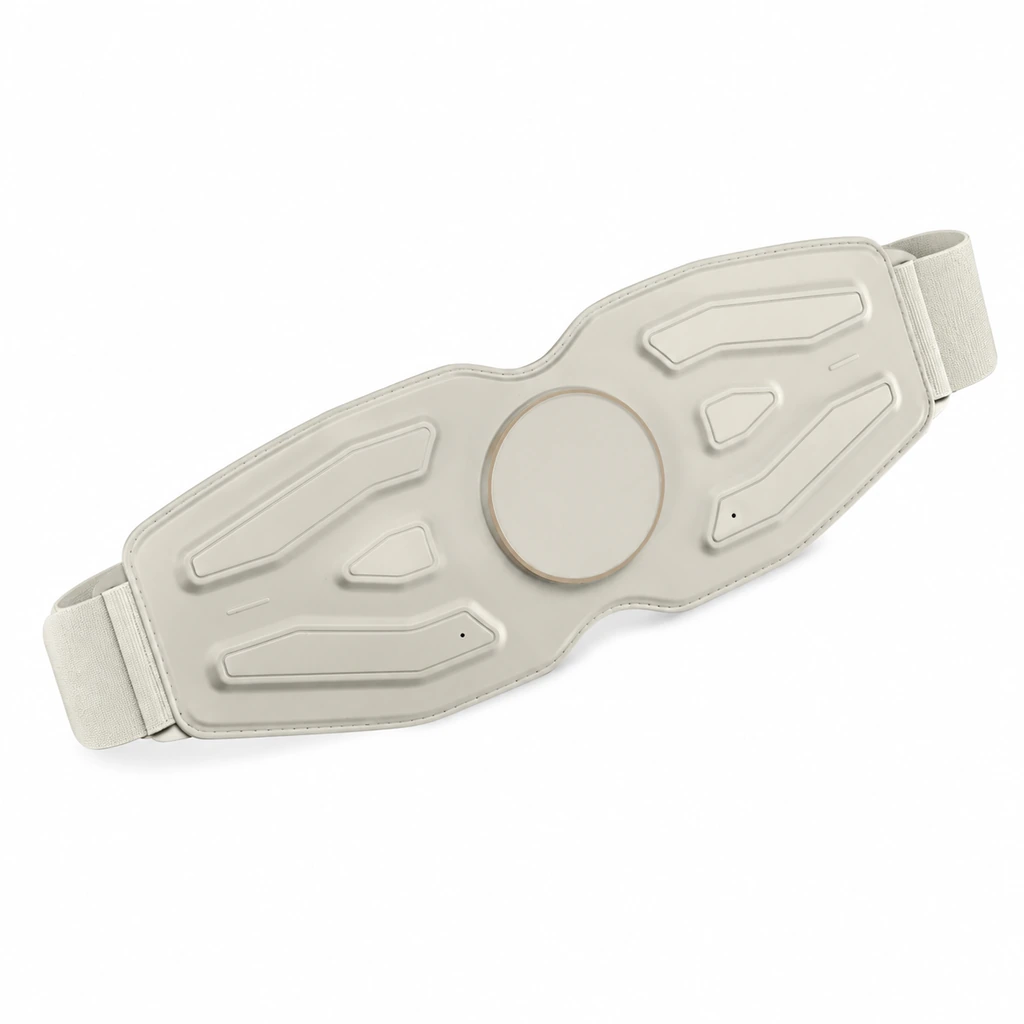
On the reference sample or photo, identify the strap end, fastening patch and contact panel discussed in the change request. Have the supplier provide controlled drawings or a prototype for any proposed alteration. A marked photo is a communication aid, not engineering evidence.
Approve the new route at two gates
Gate 1 — route decision: the buyer and supplier agree whether the need is met by an existing configuration or requires a development study. Record the measurement gap, chosen baseline, requested outcome, owner and unresolved questions. This is not production approval.
Gate 2 — revised sample: if a structural prototype is made, repeat the wear checks that exposed the original problem. Compare dimensions, fastening, panel placement, controls, retail packing and instructions against the updated specification. Identify which prior product documents still apply and what needs fresh review for the revised version. Release a production order only against a sample and document set that describe the same configuration.
Send a change request the supplier can evaluate
Send the baseline model and sample revision, measured fit observations, photographs of the problem, target wearer range and the acceptance check you want repeated. Ask for an existing-option answer first; if none fits, request a scoped feasibility and prototype plan. Discuss the waist-belt change request with Meilan.

