

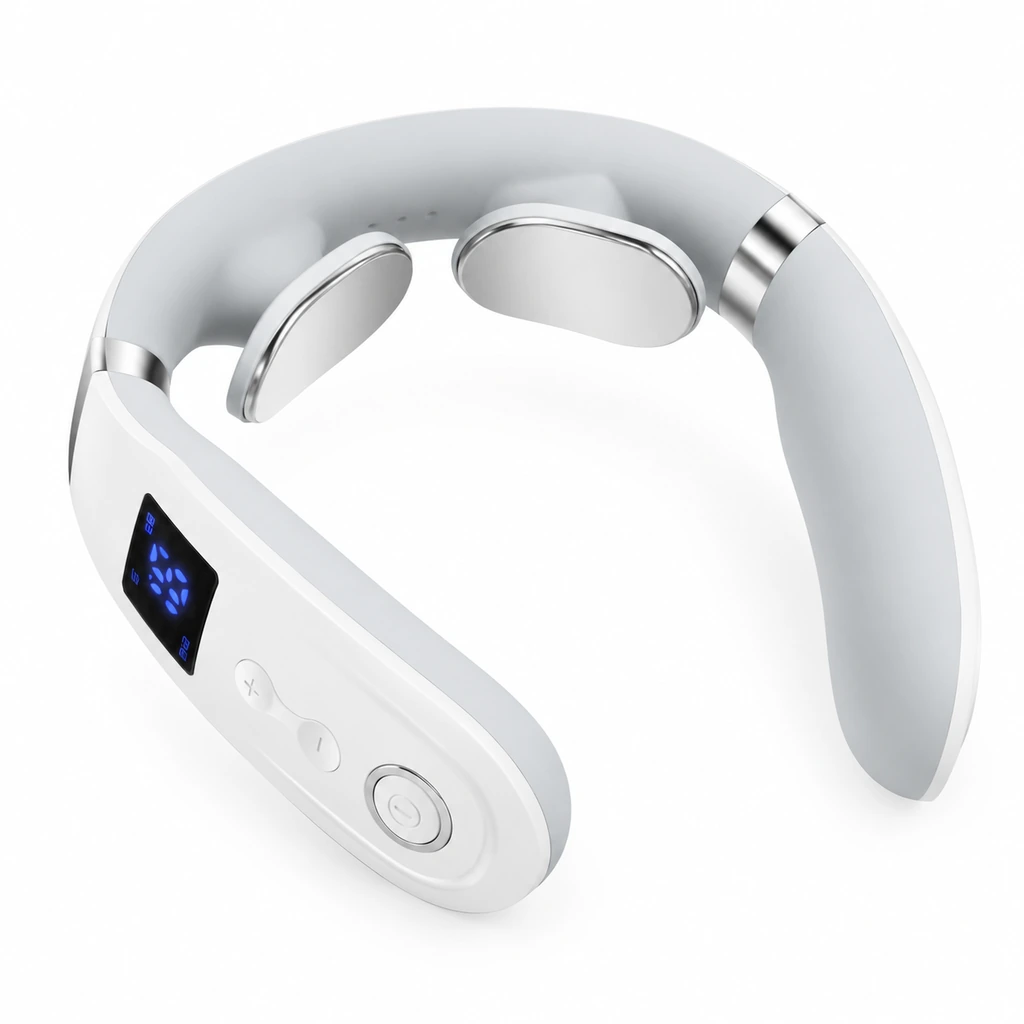
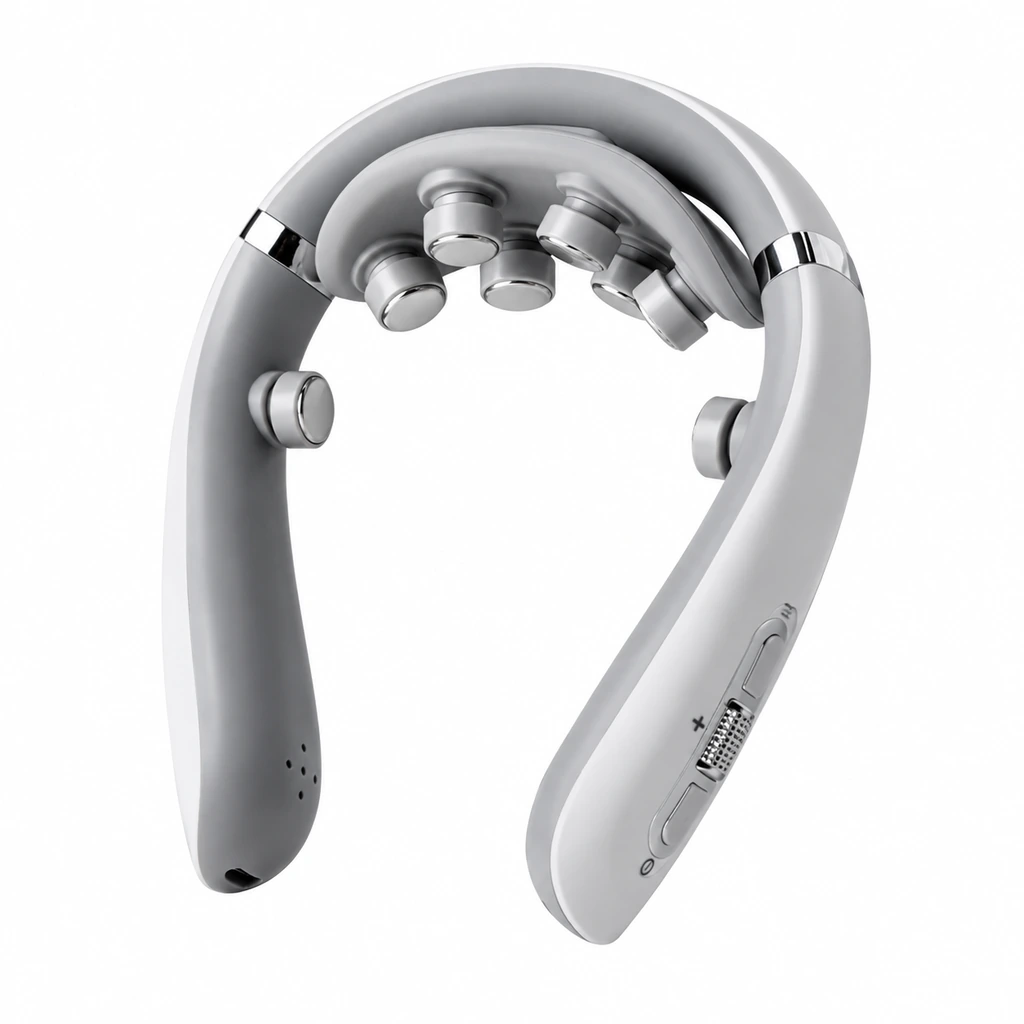
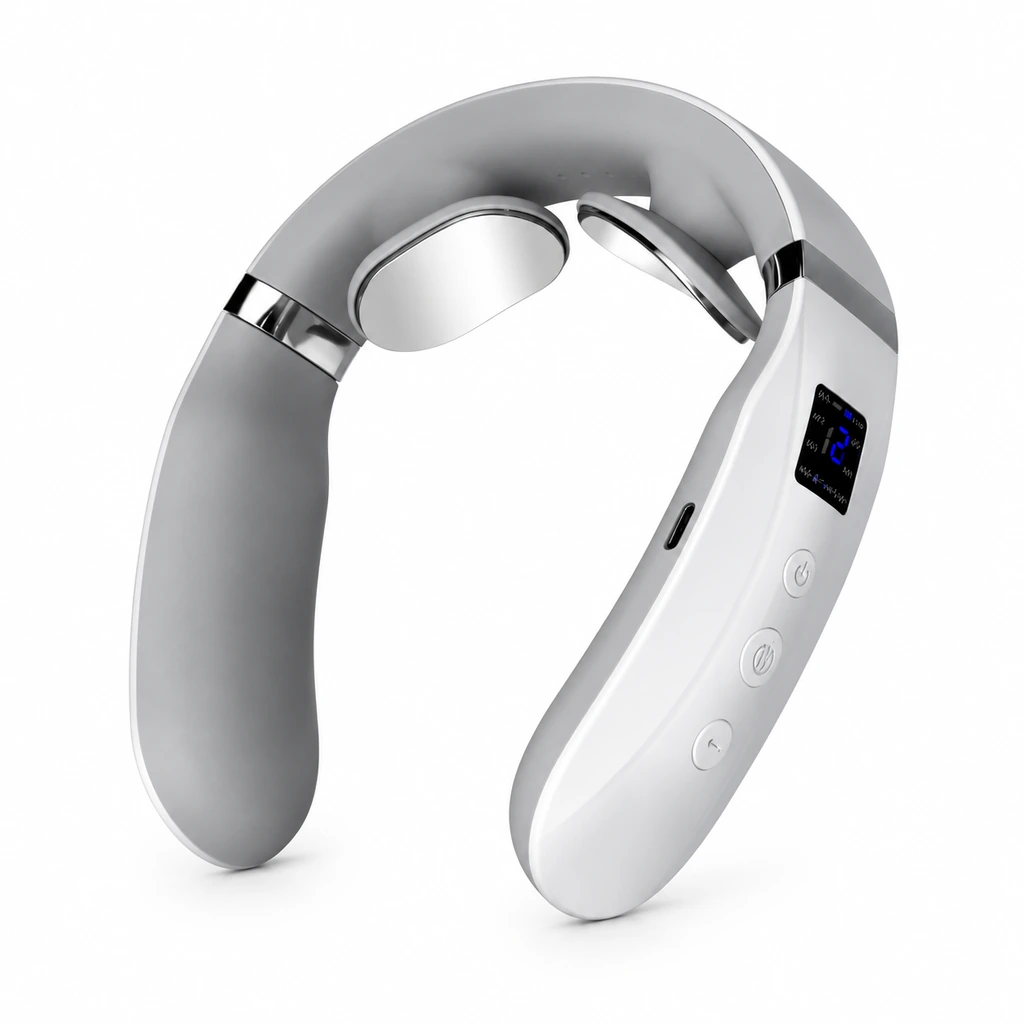
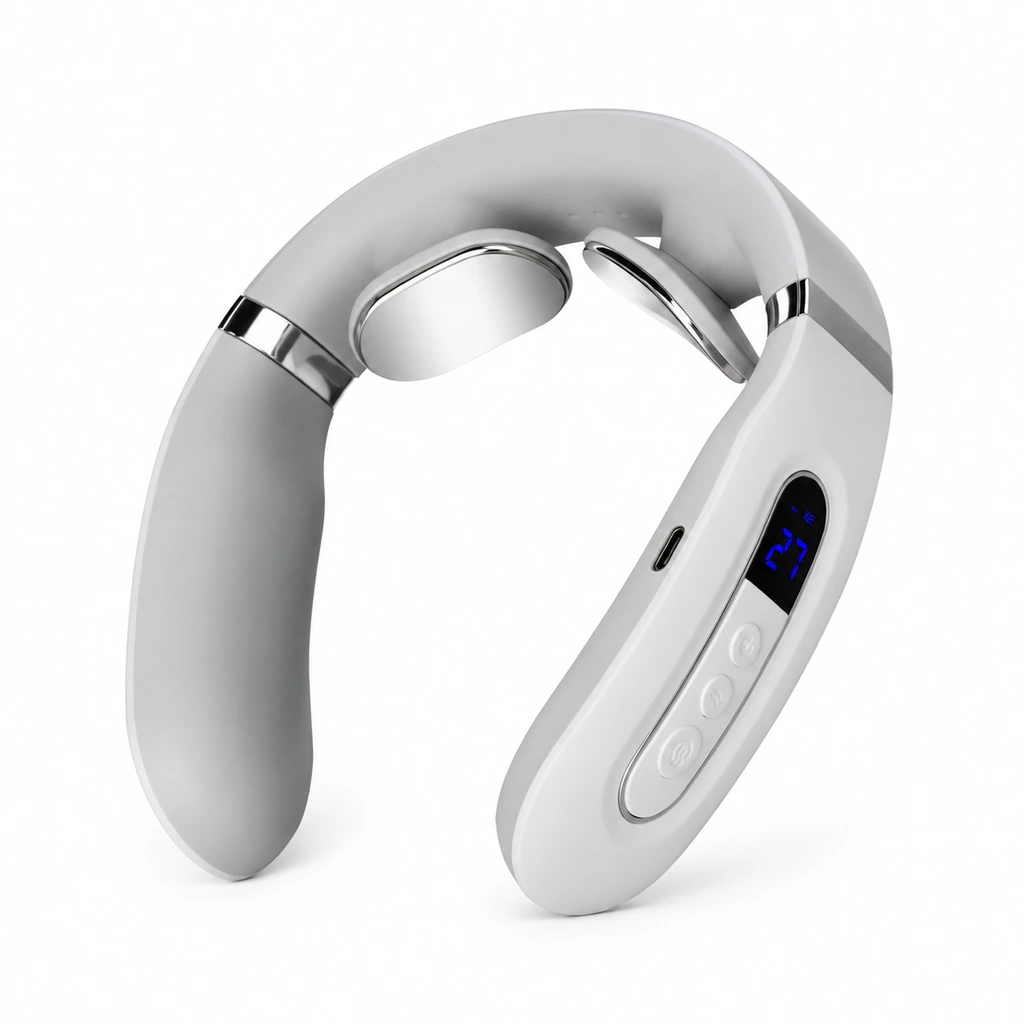
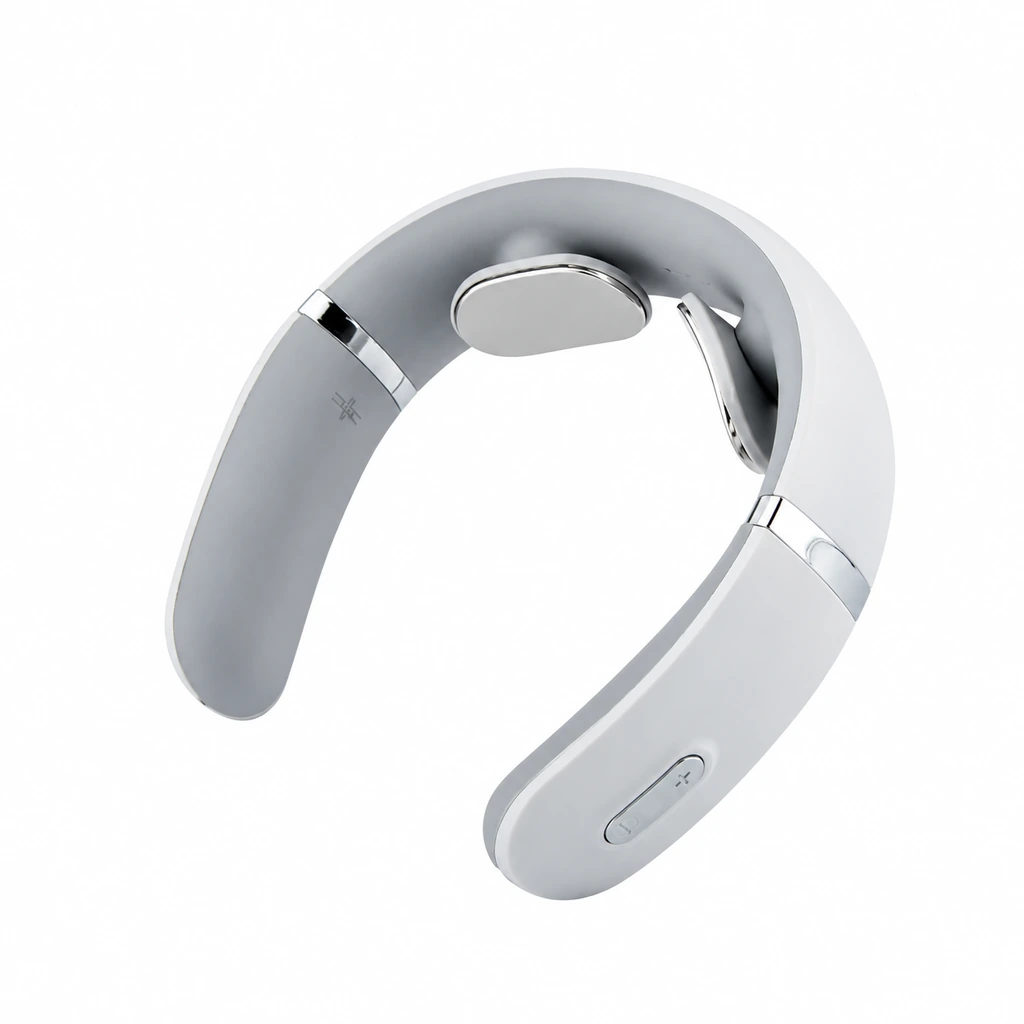
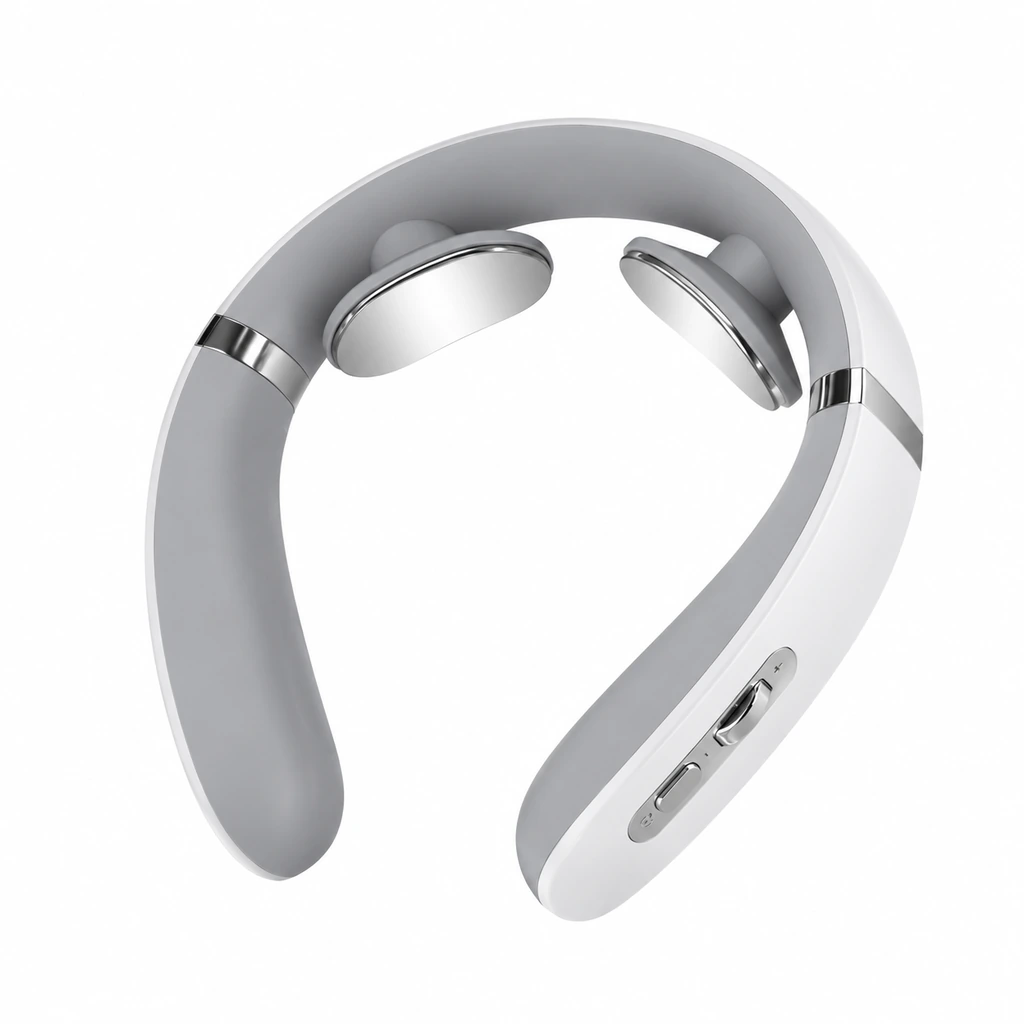
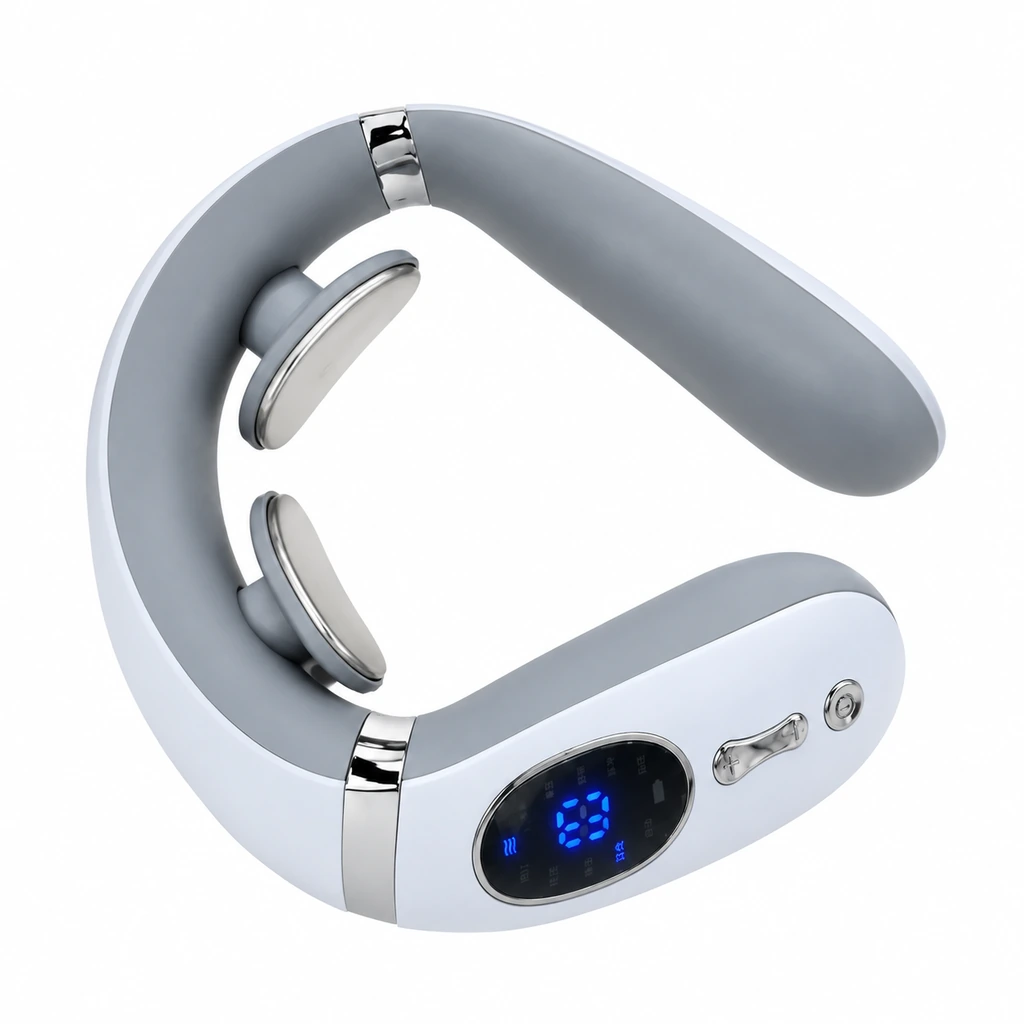
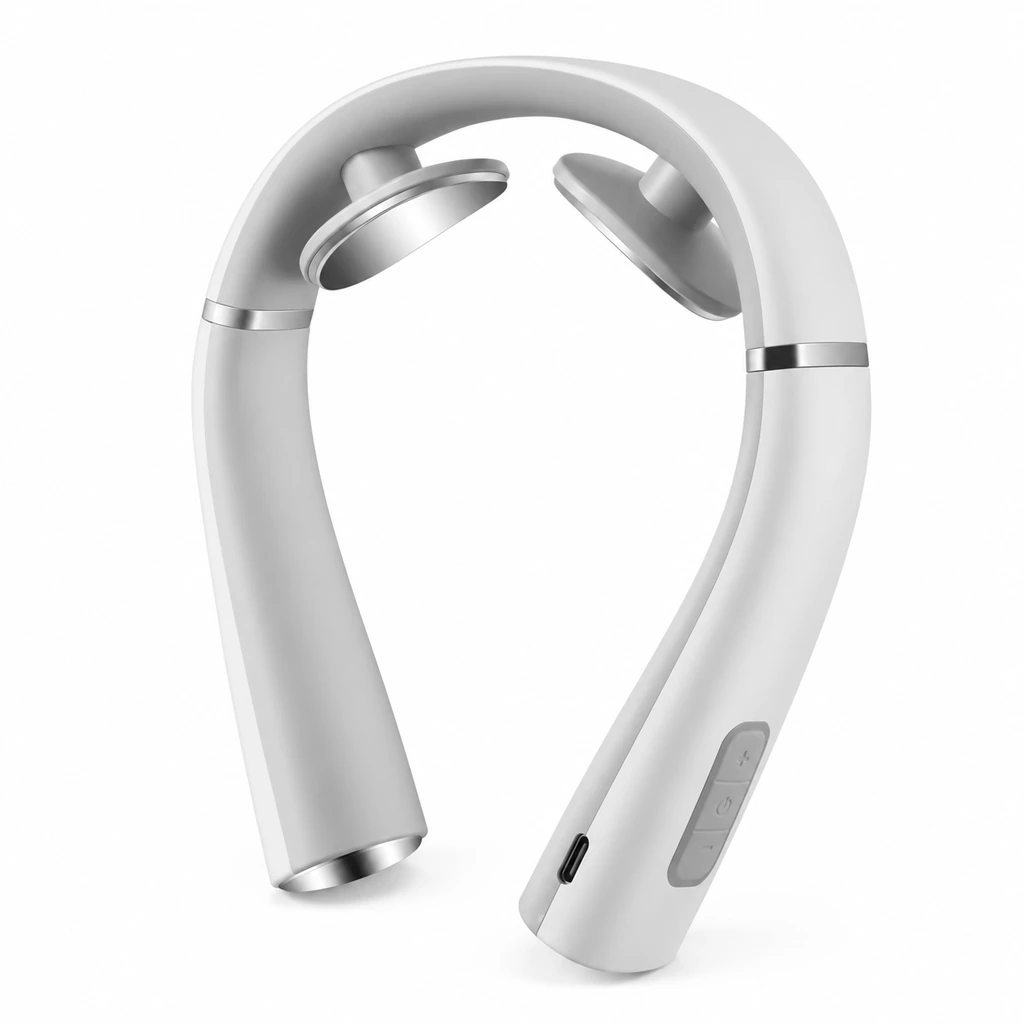
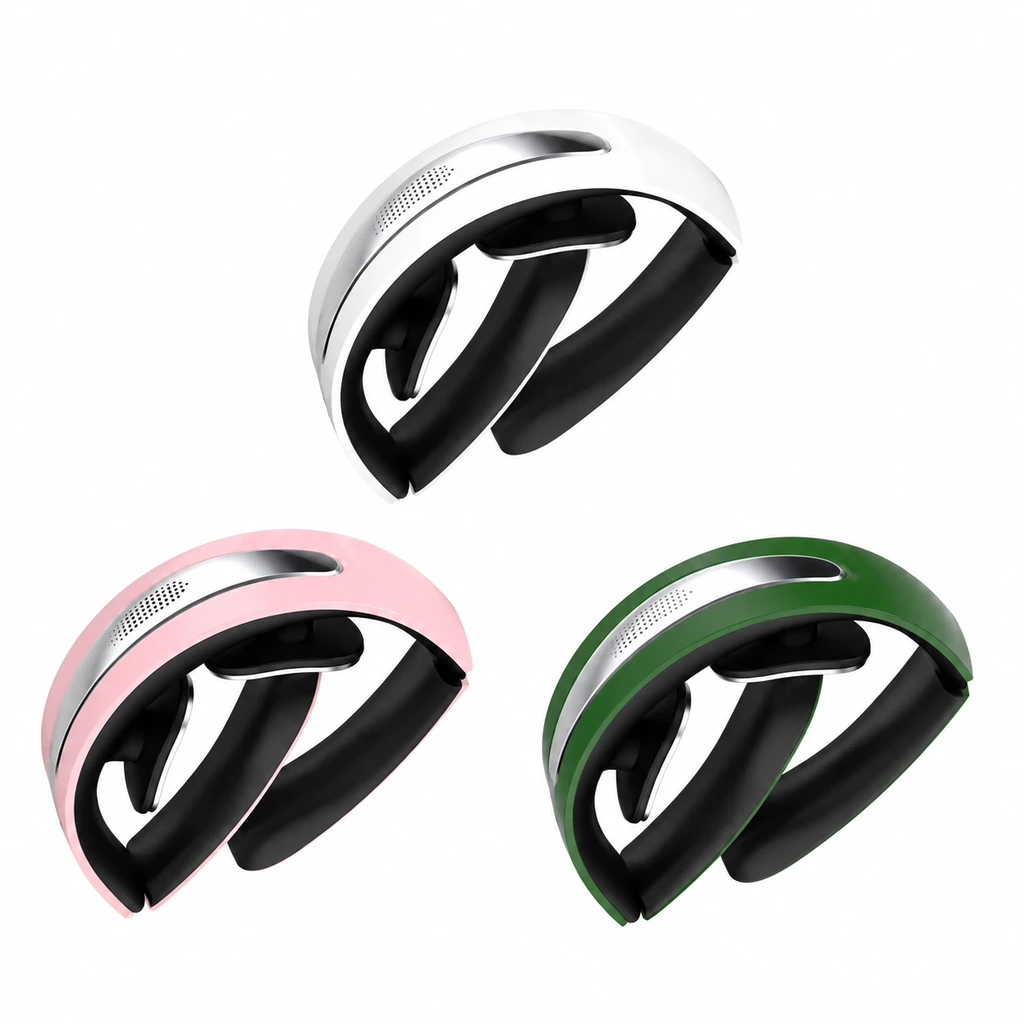
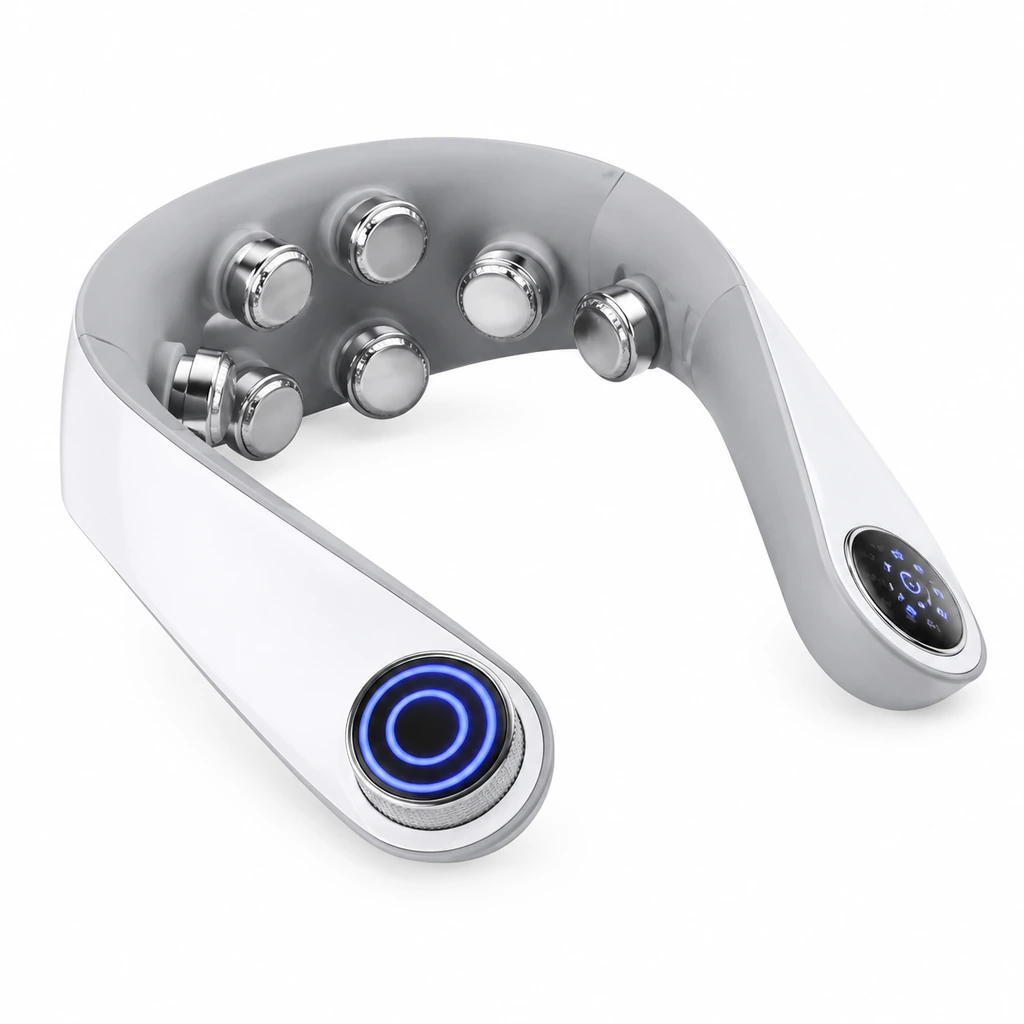
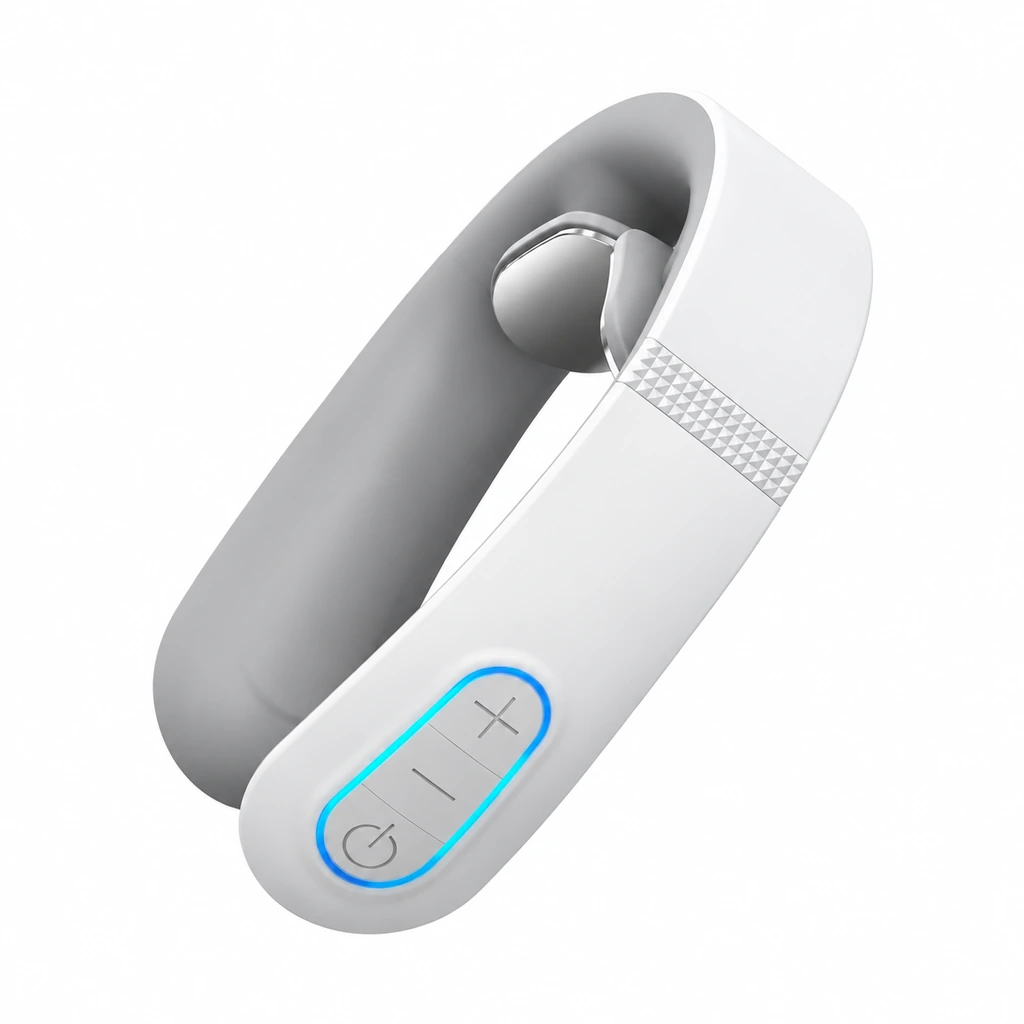
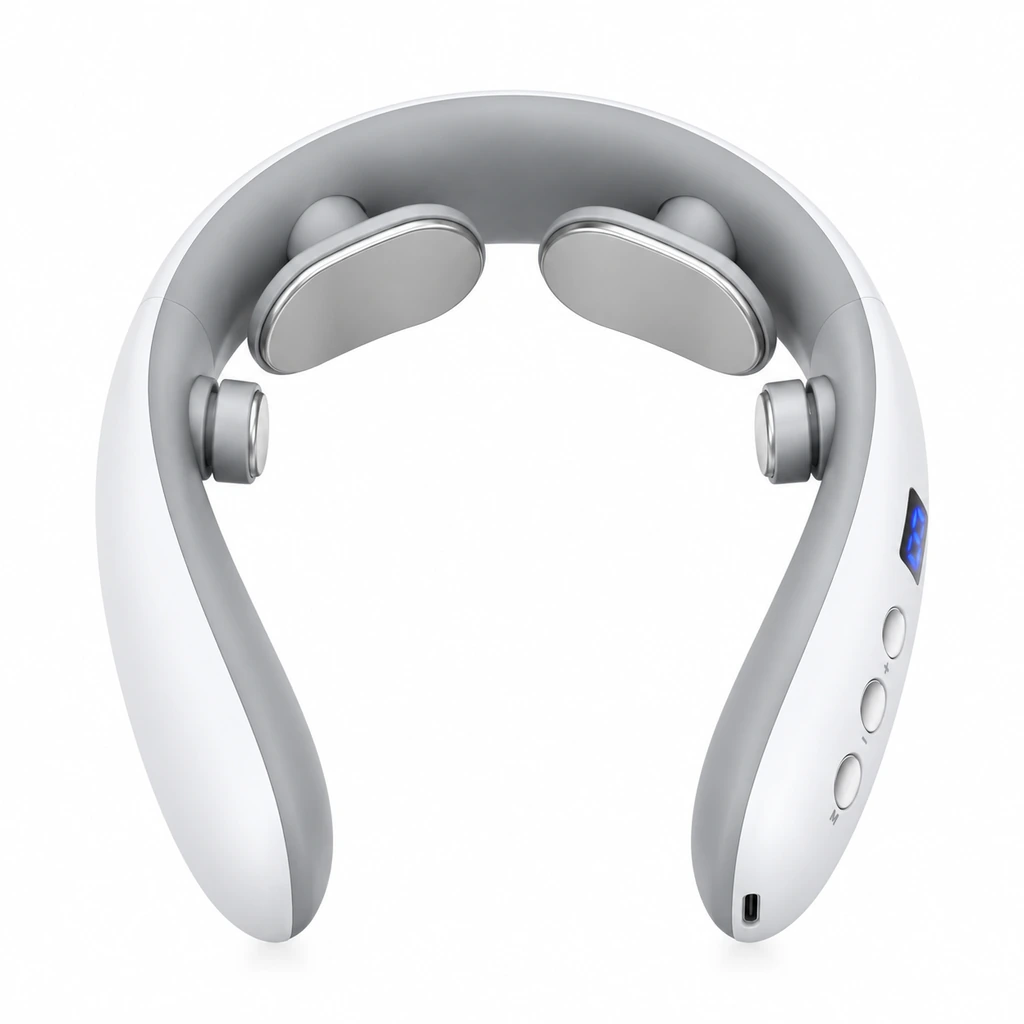


Scalp Massager Contact Heads
Scalp massager contact heads should be approved through separate checks for material, attachment, cleaning and replacement supply. Meilan’s T1 listing describes removable, washable heads, but that does not establish that spare heads can be ordered or that the powered unit is suitable for wet use. Match the quoted version to its manual, component records, sample and relevant test files before approving retail copy or an RFQ.
 Meilan Tech 8 min read
Scalp massager contact heads should be approved through separate checks for material, attachment, cleaning and replacement supply. Meilan’s T1 listing describes removable, washable heads, but that does not establish that spare heads can be ordered or that the powered unit is suitable for wet use. Match the quoted version to its manual, component records, sample and relevant test files before approving retail copy or an RFQ.
1. Define the Contact Head as a Sourced Component
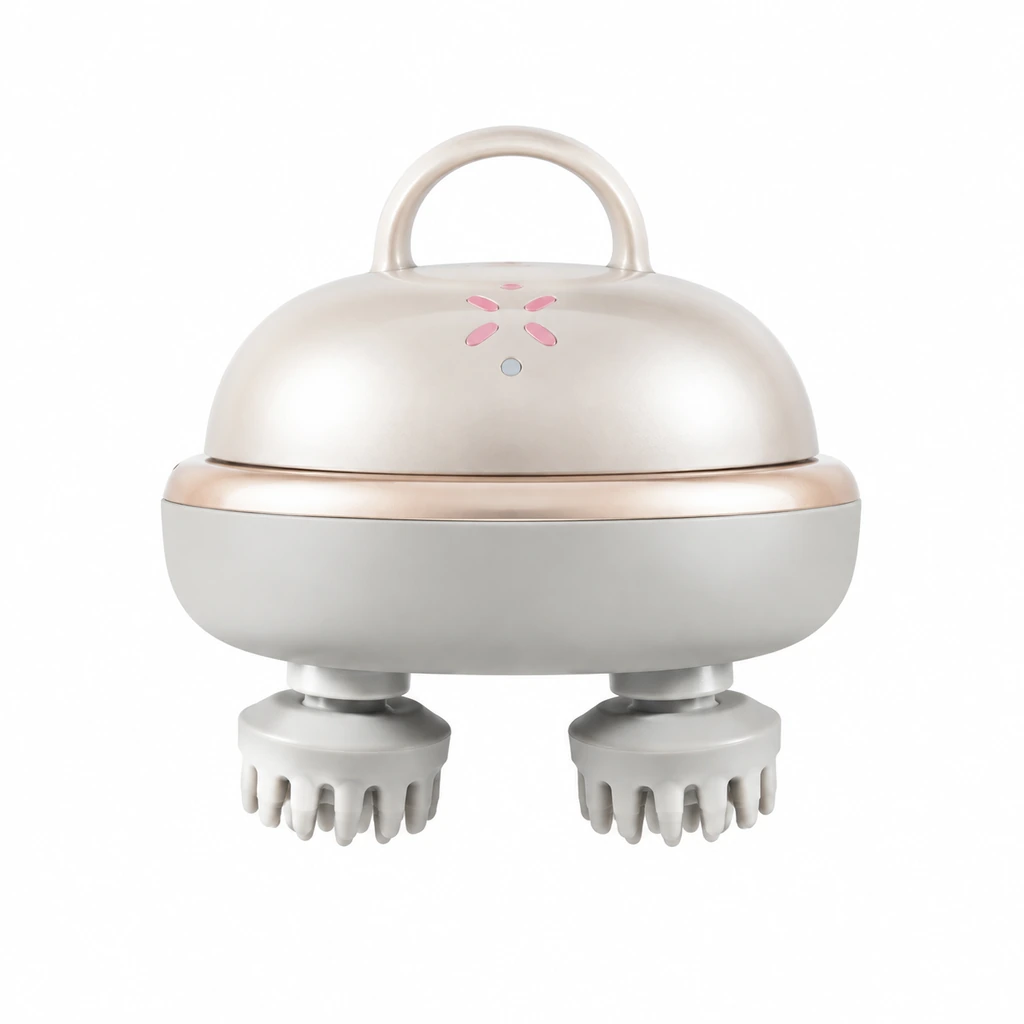
A contact head is the part that actually meets hair and scalp. Its visible tips, flexible pad, mounting base and connection to the drive can have different materials and failure modes. A photograph of the assembled device shows shape, but it does not reveal the polymer grade, joining method or whether a head is sold separately.
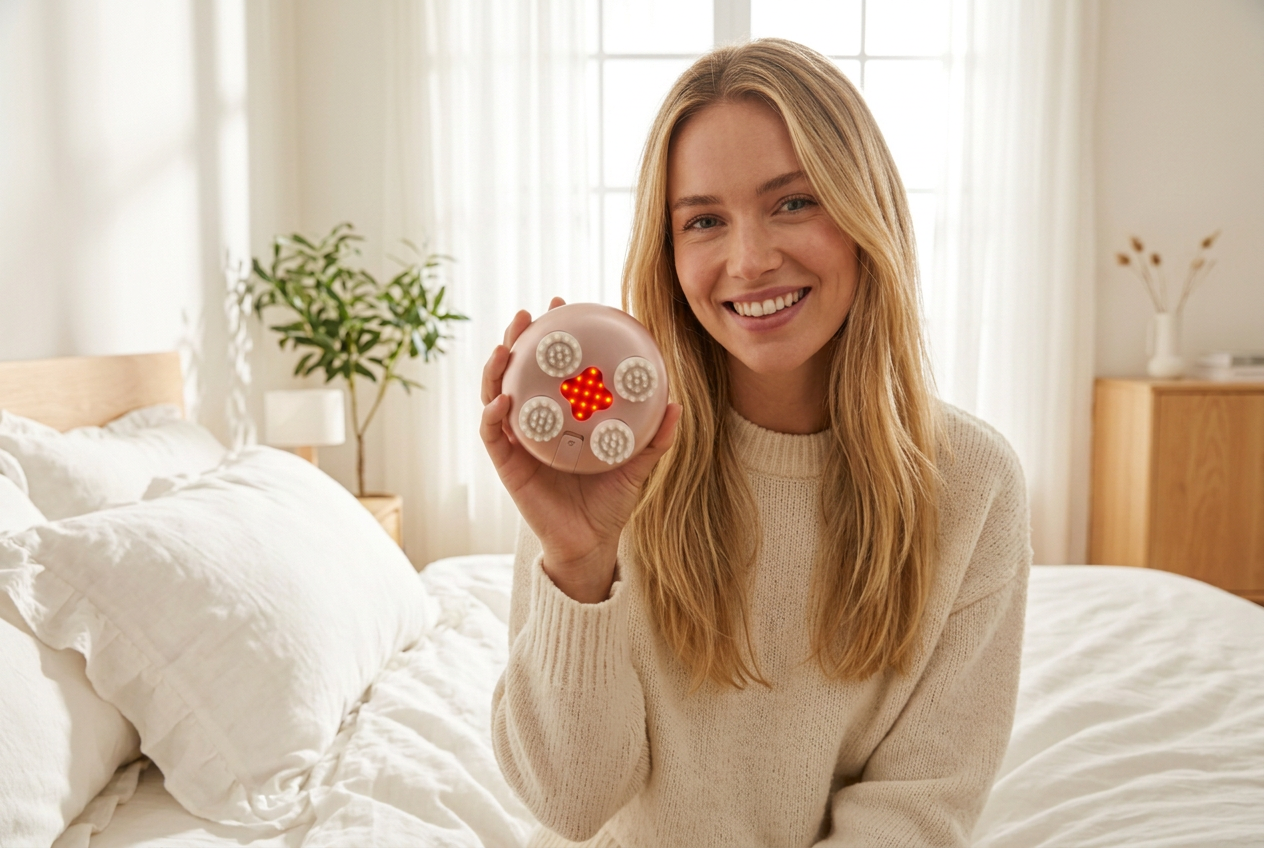
Meilan’s T1 listing describes four soft silicone massage heads and says they are removable and washable. Its manual depicts massage claws and gives a removal and cleaning sequence. For a purchase decision, ask the supplier to identify the quoted T1 revision, head assembly drawing and part number. Treat the published description as a starting point, then match each document to the physical sample before approving a specification or spare-part promise.
For a personal-care brand, this determines what can be stated on packaging and how a customer should clean the product. For a salon retailer, it also determines whether staff can demonstrate a cleaning routine and handle a damaged head without replacing an entire device.
2. Ask for Material Evidence at the Tip, Pad and Base
“Silicone” is a family description, not a complete material specification. Request a current material declaration for the quoted head, naming the tip material, any different pad or base material, colorants and additives, hardness or other controlled properties, and the supplier of the molded part.
Ask which report, if any, covers skin contact, restricted substances and the target market’s claim language. The report should identify the same component or material code as the quotation. If a buyer plans to advertise “hypoallergenic,” “antibacterial” or a named grade, require evidence for that precise phrase; do not derive it from appearance or from a generic silicone certificate.
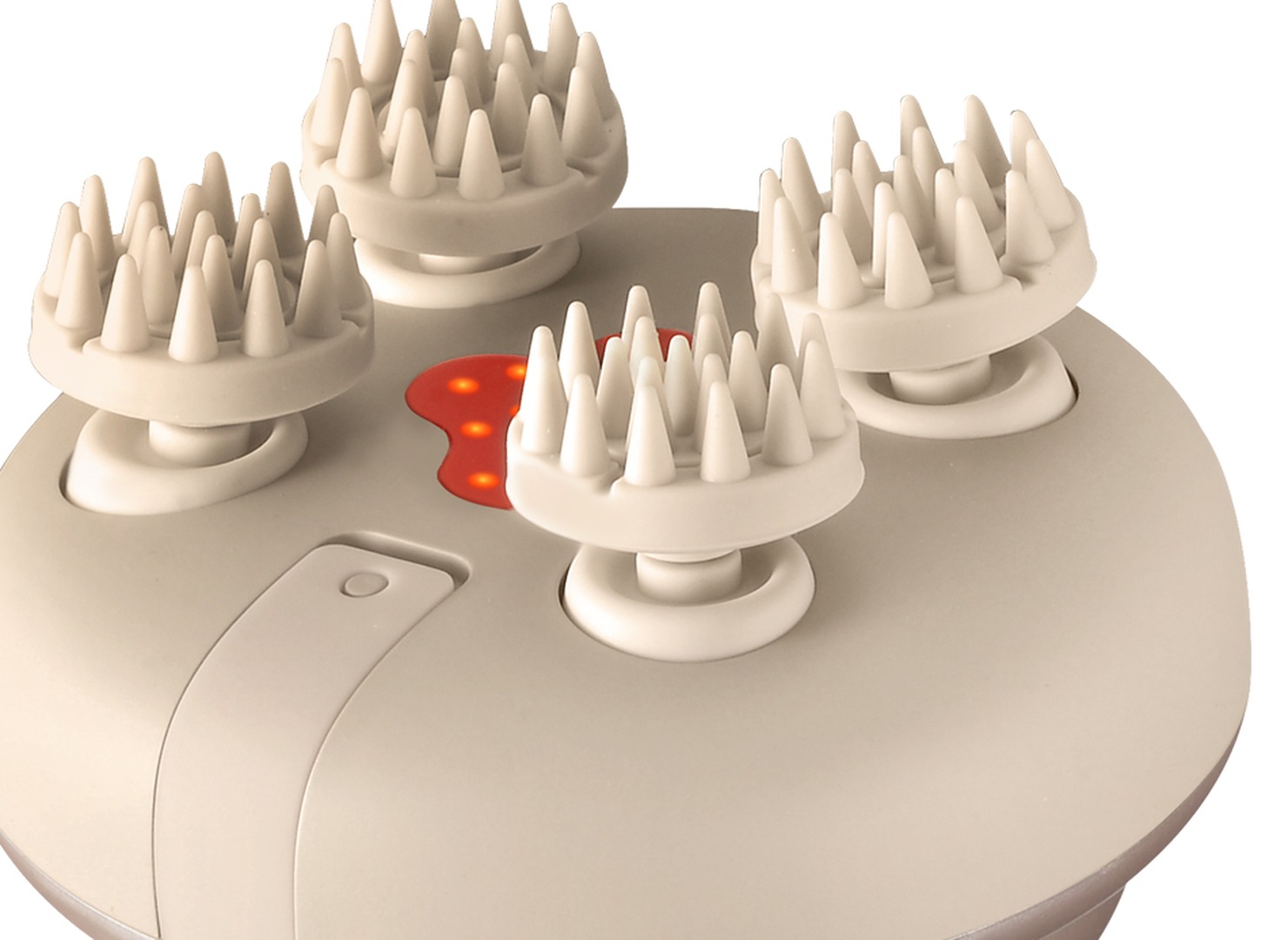
A practical sample check compares four heads under the same light: inspect tip shape, flash, rough edges, discoloration and visible seams. Record photographs before and after the permitted cleaning procedure. The observation can identify a quality question; it cannot identify a polymer formulation or establish an irritation outcome.
3. Inspect Geometry and Attachment Without Forcing a Removal Claim
Contact geometry affects how a unit moves through hair and how easily residue can be cleaned away. On a quoted sample, document the number and shape of heads, approximate node layout, edge finish, clearances around the base and the gap where hair may collect. Use close, well-lit photographs with a scale. Check whether the head rotates freely in its normal operating path and whether a visible wobble or uneven gap appears after handling.
The removable T1 heads need a version-matched demonstration before staff or customers are told how to detach them. Follow the current instruction sequence with the unit off, film one removal and reinstallation, and inspect the interface for alignment marks or damage. Never pull, twist or lever a sample by guesswork; a damaged mount would make the test meaningless. Repeat the procedure only to a cycle count agreed with the supplier, then record whether retention and operation remain consistent.
A removable cleaning head is not automatically a user-serviceable replacement module. Ask whether removal is intended for routine consumer cleaning, service work, or both. The answer should match the current manual, warranty policy and proposed retail copy.
4. Separate Cleaning Access From Replacement Supply
The commercial question is not simply “can it come off?” It is whether a buyer can order the exact matching head later, in the correct color and quantity, with a traceable revision. Ask for a spare-part SKU, assembly contents, compatibility list, sample photograph, unit price basis, minimum order quantity, lead time and expected supply period. If no separate head is offered, the service plan may be whole-unit replacement or a different approved remedy; state that explicitly in support materials.
Record how heads are packed for spare orders, whether a set includes all four, and whether a damaged single head can be supplied. A service pack can create a different bill of materials, label and price from the retail carton. For a salon channel, agree who performs the swap and whether the replacement procedure requires any tool or calibration. Do not promise a replacement interval from a photograph or a cleaning instruction.
The strongest approval evidence is a spare sample carrying its part number, installed on the quoted production-intent device, followed by a functional check and a signed supplier answer on reorder terms.
| RFQ field | Supplier return | Approval question |
|---|---|---|
| Spare identity | Head assembly SKU, color and photograph | Does it match the quoted device revision? |
| Order unit | Single head or set of four, packaging and price basis | Does the service promise match the quote? |
| Continuity | MOQ, lead time and expected supply period | Can the needed quantity be reordered? |
5. Confirm Dry and Wet Boundaries With the Exact Test Scope
Three statements often get conflated: a head can be removed for cleaning, the housing can be wiped or rinsed in a specified way, and the powered device can be used in a shower or on wet hair. They are different claims. The T1 product page calls the heads washable, while the manual has cleaning instructions for the claws and the main unit. Neither source alone establishes an immersion rating or permission to use the powered device under running water.
Ask for the current manual, the exact cleaning demonstration and any water-ingress or electrical test report for the model and revision being quoted. Record whether the test concerns detached heads, an assembled device with the charging cover closed, splashes, rinsing, or immersion. Check the seal or charging opening after the allowed cleaning step, and allow the unit to dry as instructed. If salon staff plan to use a disinfectant, request compatibility evidence for that chemical and contact time; ordinary washability does not establish disinfectant resistance.
Use the narrowest instruction supported by the matched evidence. Where wet-use documentation is absent, keep “wet use,” “shower safe” and waterproof symbols out of the proposed retail copy pending specialist review.
6. Run a Repeatable Sample Review for Both Channels
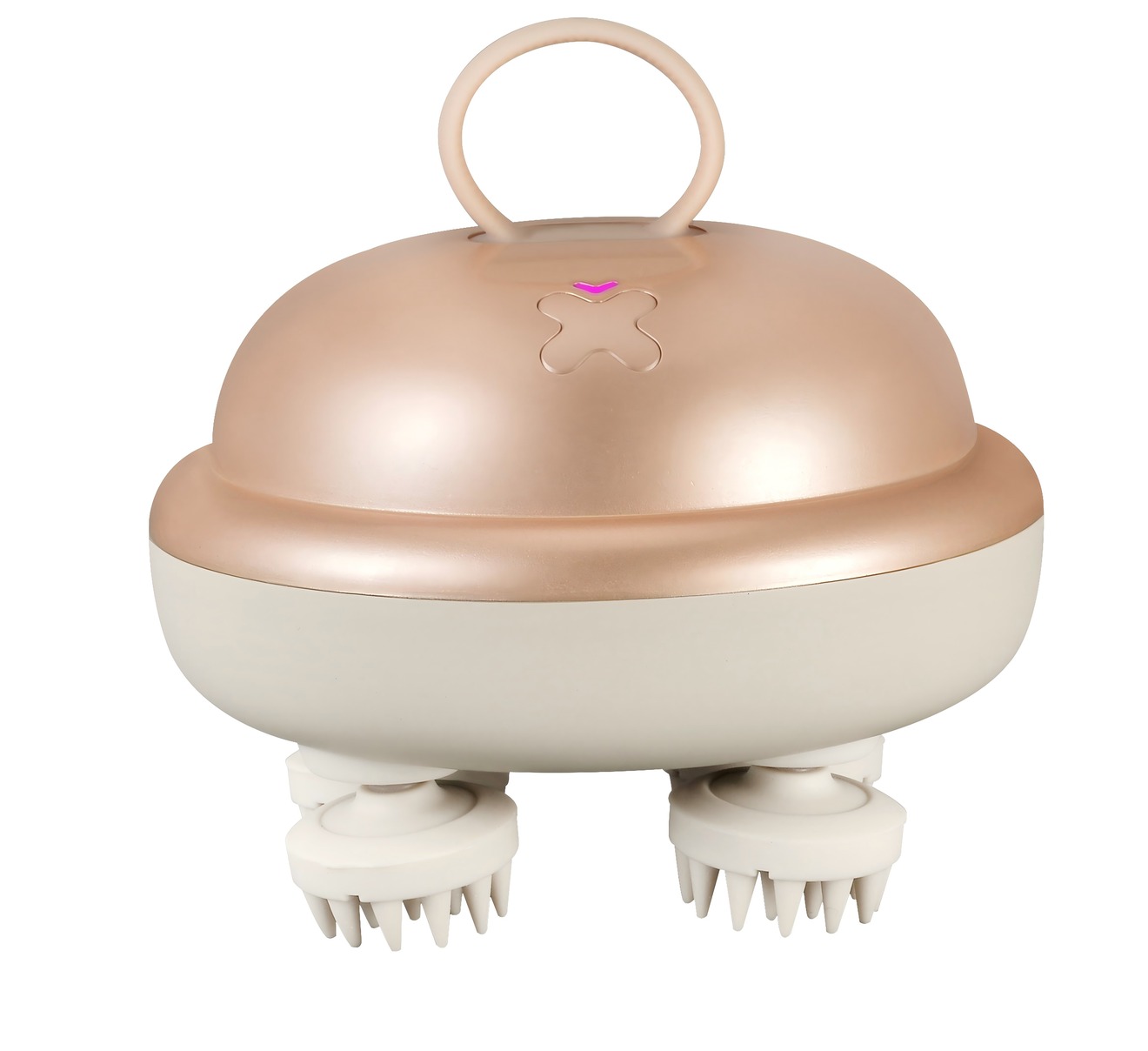
A brand sample review should be repeatable across supplier revisions. Create a record with the device label, head part number, manual revision, photographs and operator initials. Inspect the dry clean heads, demonstrate the controls, complete the instructed removal and reinstallation, clean only as the approved manual permits, then inspect the heads and attachment points again after drying.
For a salon retailer, add a realistic staff demonstration: how long does it take to explain the cleaning step, where could loose hair collect, and can the customer identify the correct part in a service request? Use hairpieces or a defined test scenario when comparing samples, not an undocumented claim that one design suits every hair type. Stop if a head loosens, catches hair unexpectedly or a tip shows damage, and send the sample back for technical review.
Keep sensory impressions separate from objective observations. “The head stayed attached during the agreed demonstration” is a limited sample result. “Safe for all scalps” or “prevents hair loss” is not established by that review.
7. Approve the RFQ With a Head-Specific Evidence Matrix
Send the supplier a request that names the exact T1 version, target market, intended cleaning language and whether replacement heads are a commercial requirement. The response should make every open point answerable: which material is used, what part is removable, which test supports each wet or dry instruction, and what can actually be reordered.
Use the matrix below at three gates. At quotation, confirm the proposed assembly and supply terms. At sample approval, confirm the attachment and permitted cleaning sequence on a matched unit. Before artwork release, check the pack list, manual, online listing and service script for the same wording. If a required document or spare-part commitment is missing, hold that claim or condition the purchase order on its resolution.
For repeat orders, compare the incoming head part code, tip geometry, color and fit with the approved master sample. A head change can affect the cleaning instruction or replacement compatibility even when the device model name remains T1.
| Approval line | Keep with the quote | If missing |
|---|---|---|
| Material wording | Part-matched declaration and report | Narrow or hold the claim |
| Removal instructions | Current manual and continuous demonstration | Do not publish DIY steps |
| Cleaning and wet use | Cleaning method and test scope | Use only confirmed instructions |
| Spare supply | SKU, compatibility and reorder terms | Do not promise separate parts |
Buyer FAQ
Are the T1 heads removable?
The published T1 page says they are removable and washable. Confirm the procedure on the exact quoted version and its current manual before issuing customer instructions.
Does removable mean replacement heads are sold separately?
No. Obtain a spare-part SKU, compatibility list, price basis and reorder terms before making that promise.
What does “food-grade silicone” tell a buyer?
It is a published description, not a full compound declaration or skin-contact test result. Request the material code and evidence for the intended market claim.
Can a washable head be used in a shower?
That does not follow. Check the exact model’s water-ingress test scope and instructions for powered wet use separately.
What should a salon ask about cleaning?
Ask for the permitted removal, washing, drying and reinstallation sequence, plus evidence for any disinfectant the salon plans to use.
What belongs in a replacement-head RFQ?
Name the device revision, head part number, quantity per set, color, compatibility, packaging, MOQ, lead time and supply period.
Review the Meilan T1 product page for published model context, browse the head massager collection for the category, and request version-matched T1 files and samples with your market, target quantity and spare-part requirement.

