

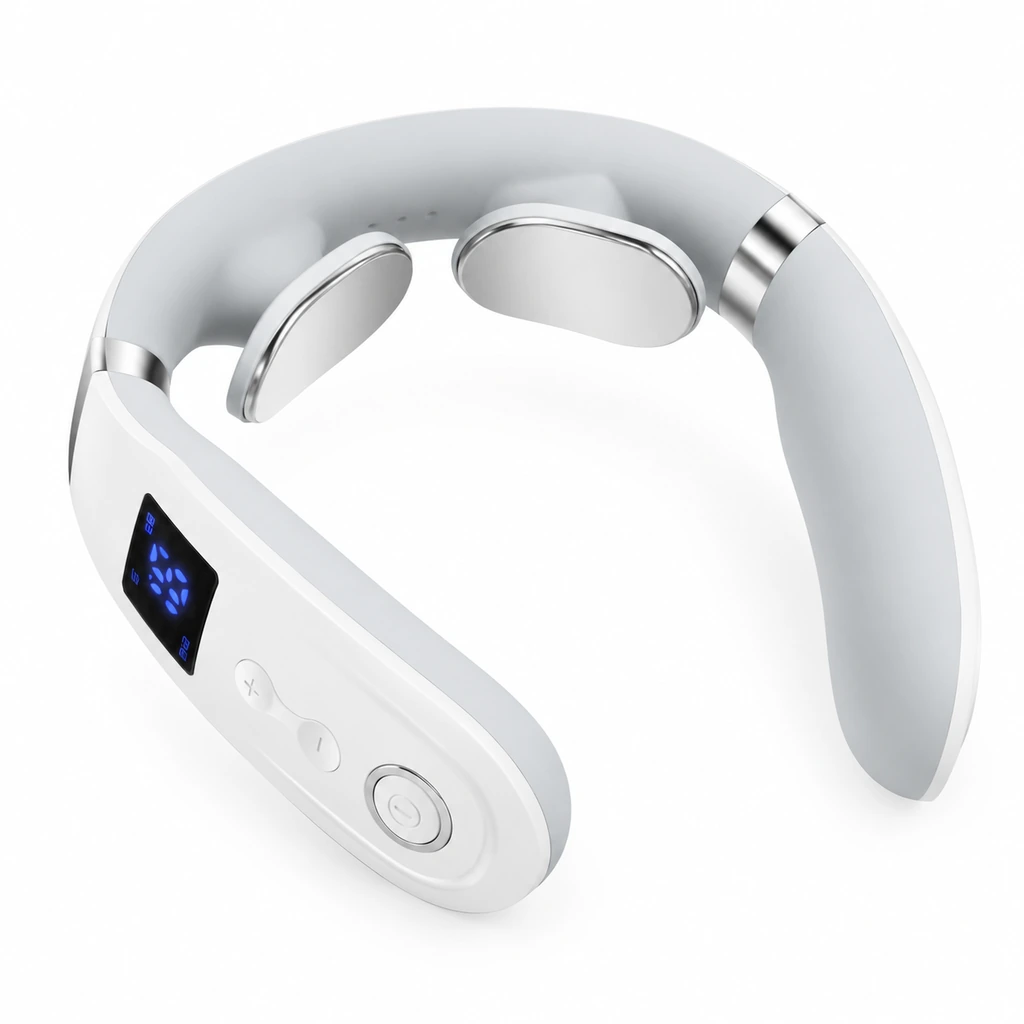
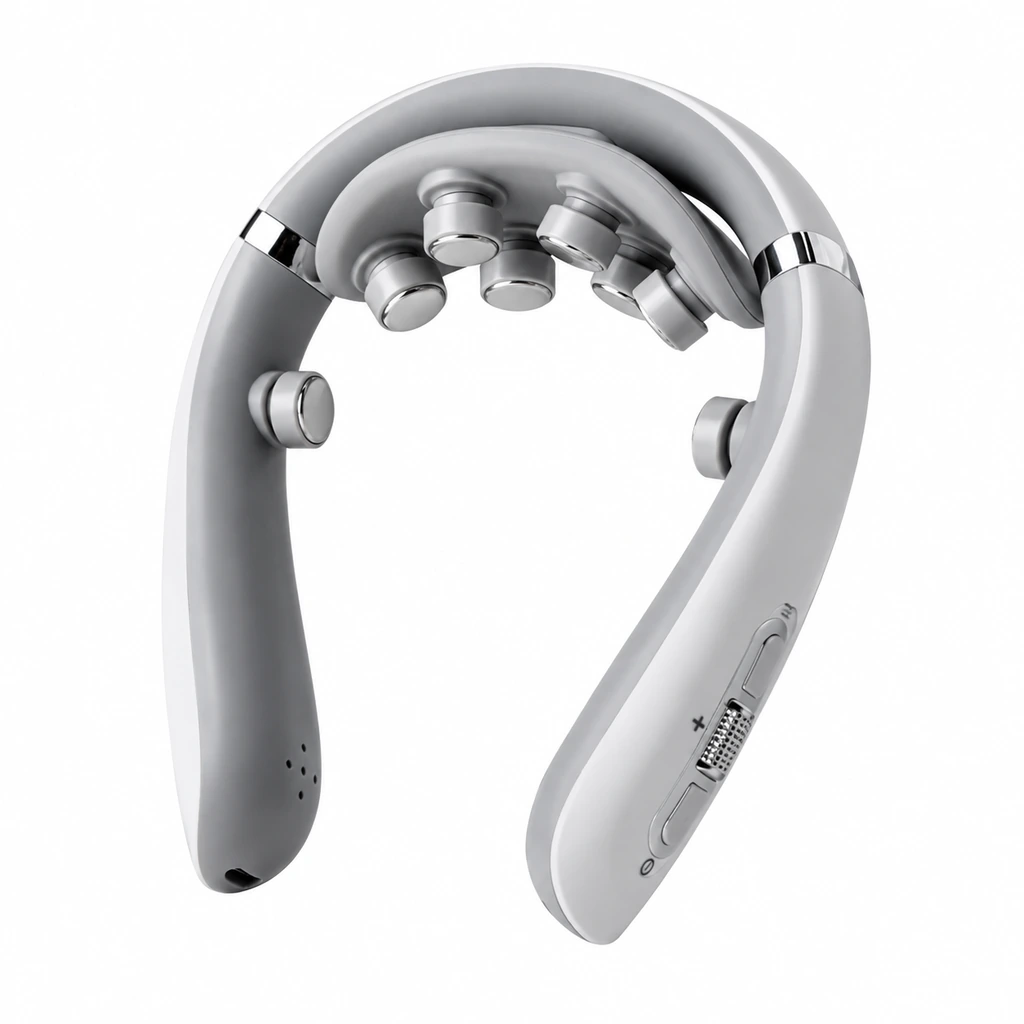
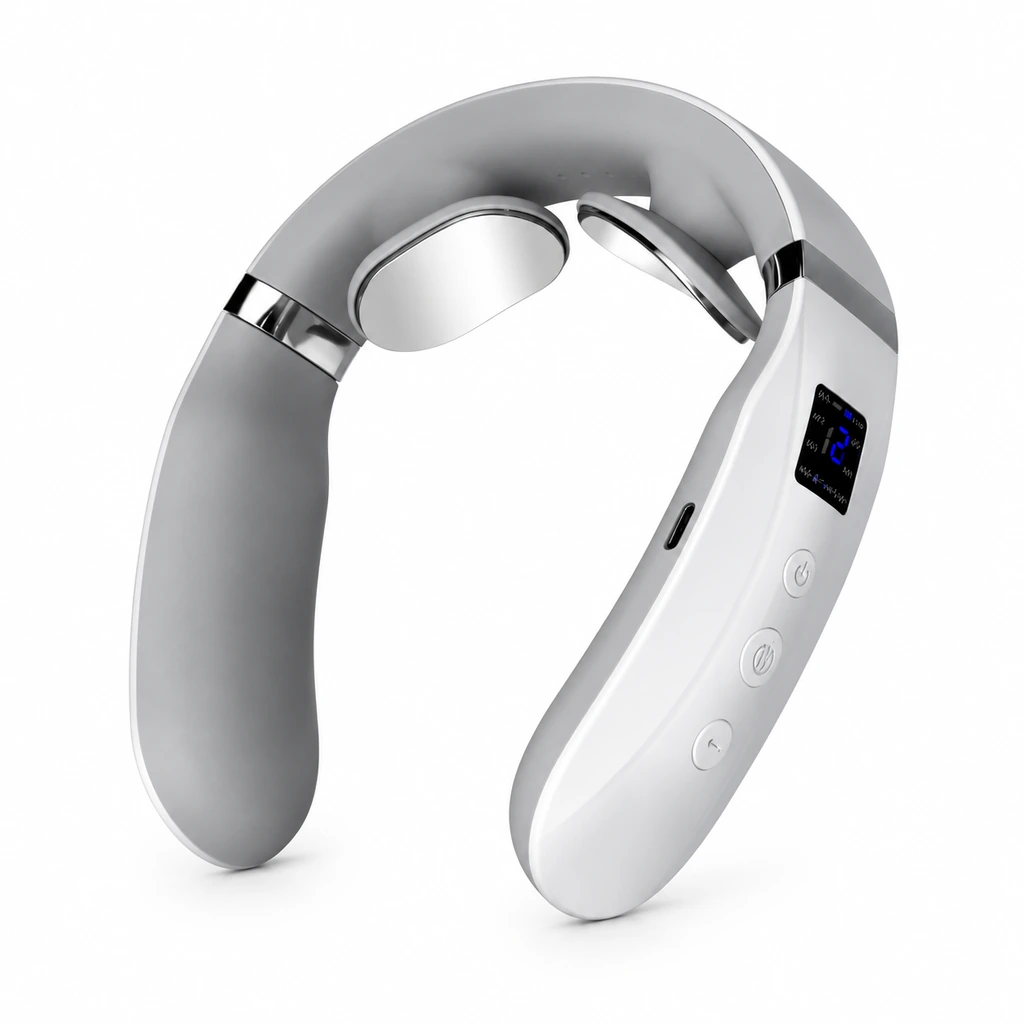
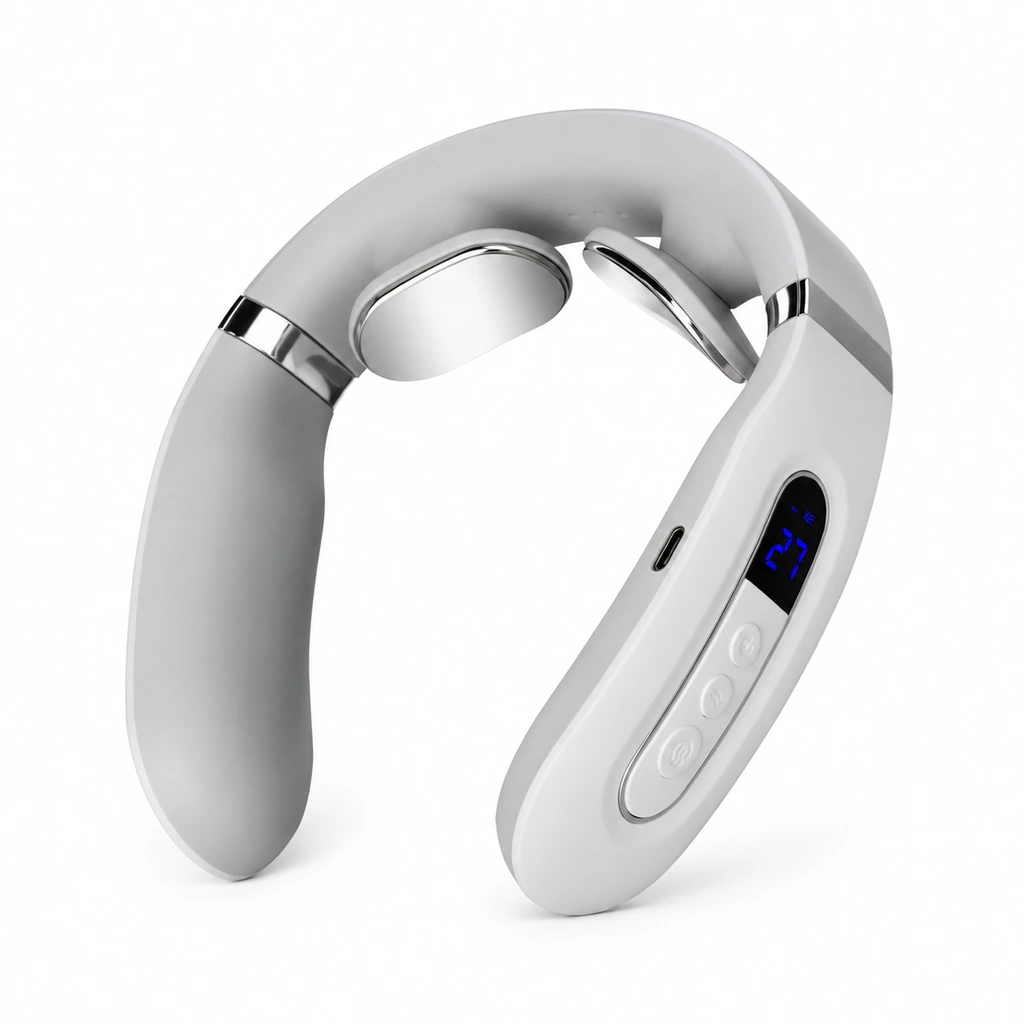



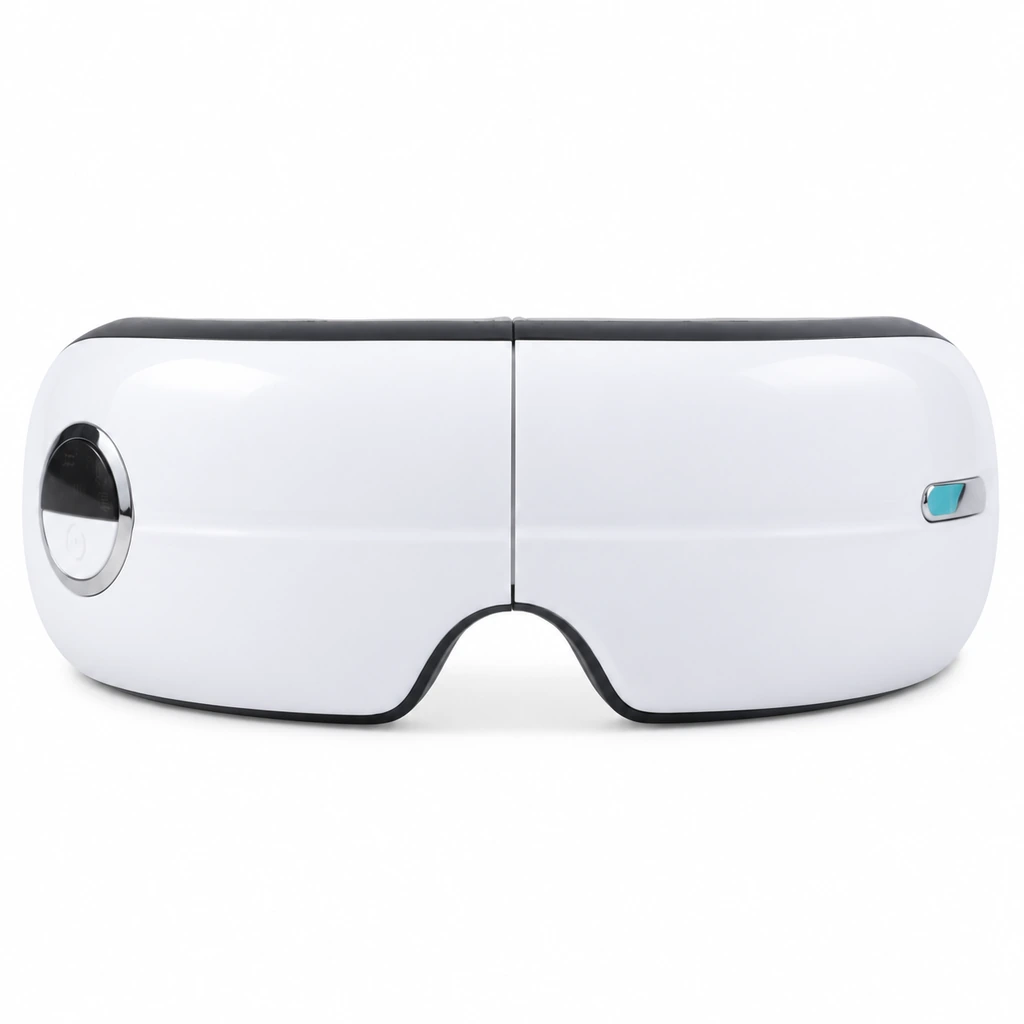
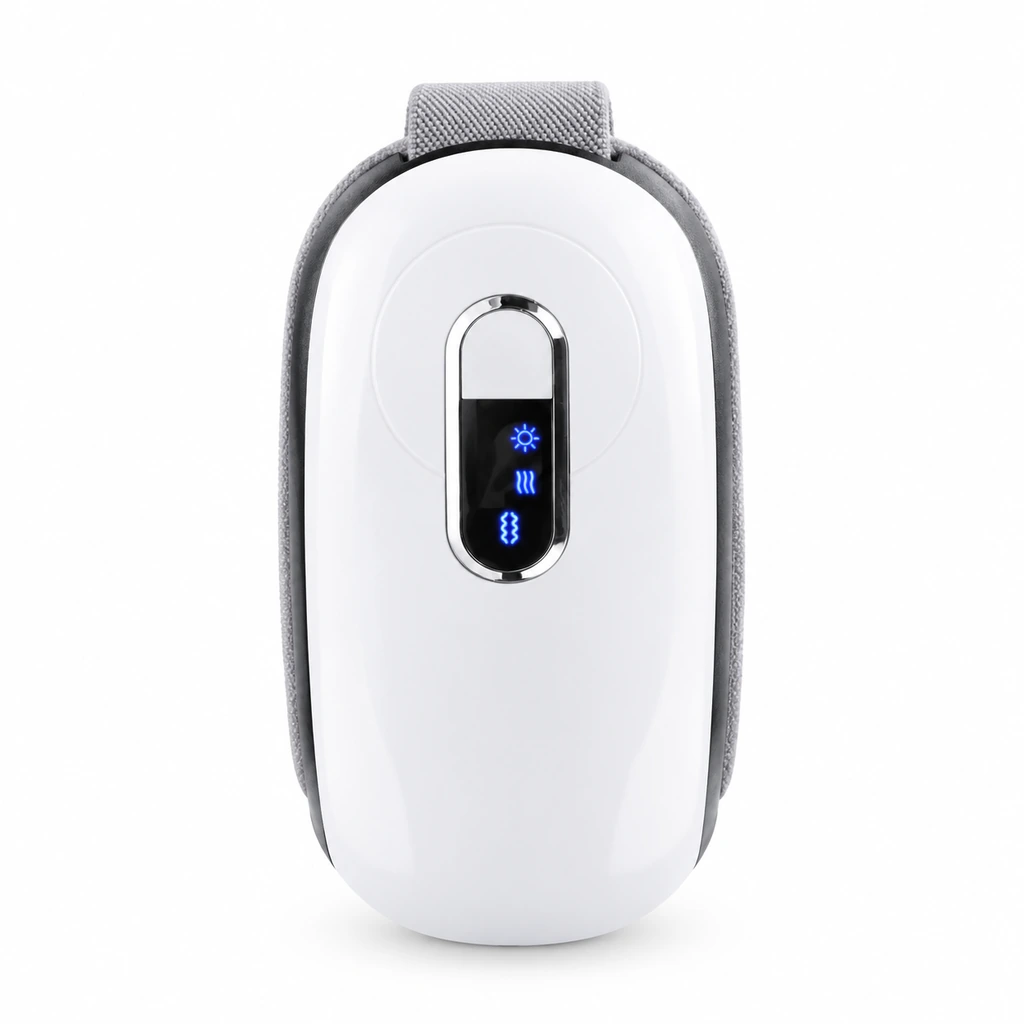
Scalp Massager Gift Packaging Checklist
Check scalp massager gift packaging against the quoted product: insert load points, contact-head clearance, carton dimensions, instruction space and pack-out evidence.
 Meilan Tech 7 min read
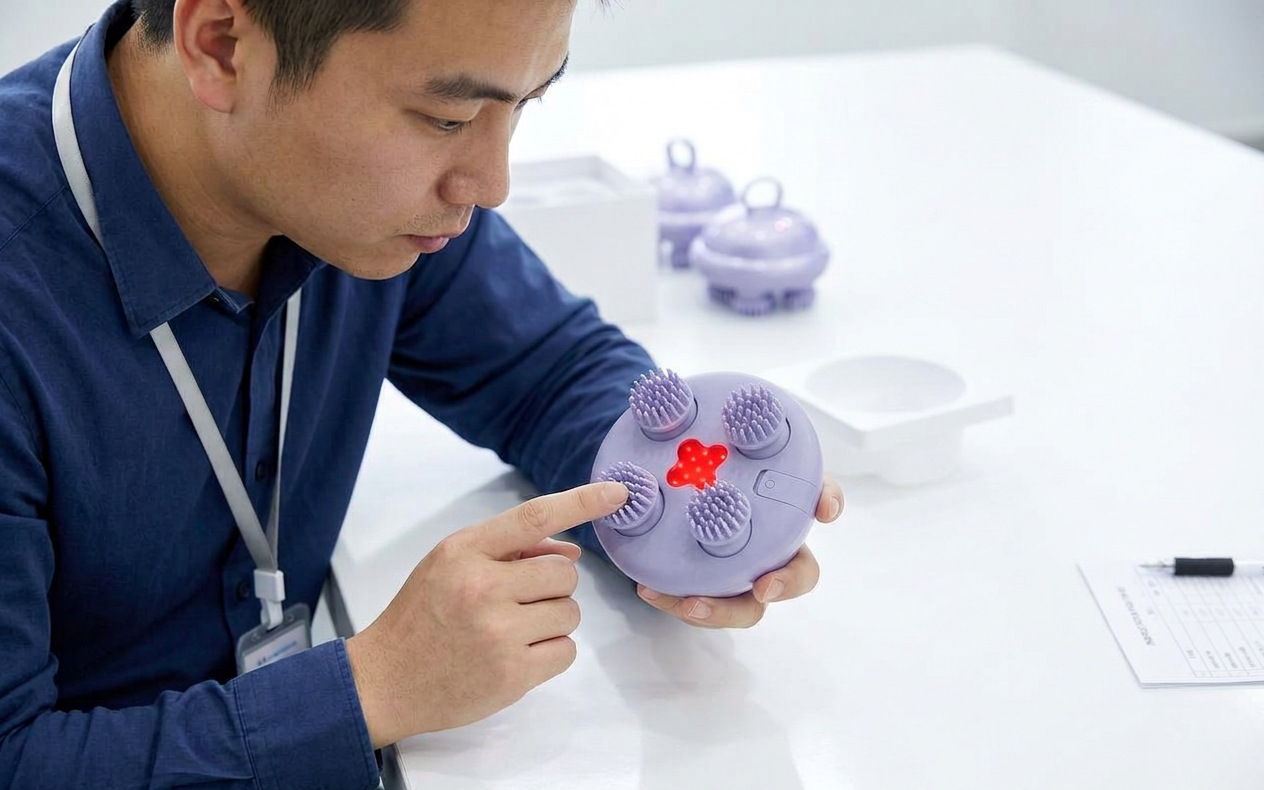
Good scalp massager gift packaging holds the quoted product in a repeatable position, protects its contact heads and leaves a defined place for the instructions and agreed accessories. Buyers should approve the finished pack, not a carton rendering alone: measure the packed unit, inspect how the insert carries load, and compare the pack-out with the quotation and current instruction sheet.
1. Define the gift-pack brief before comparing boxes
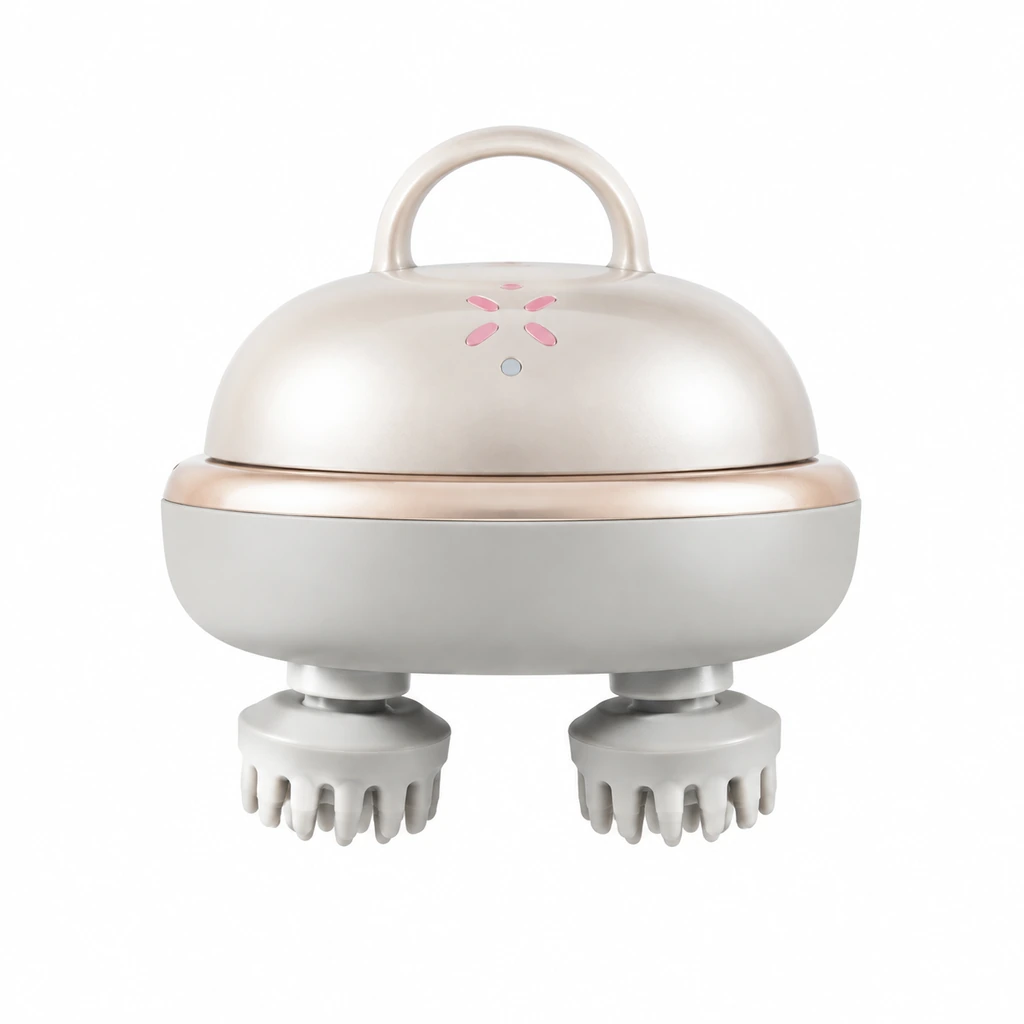
A salon retail pack and a corporate gift pack may use the same device but need different presentation, language and handling. State the target market, channel, sales unit and whether the item will be shipped individually or inside a master carton. Decide if the product is presented with its contact heads facing up, down or sideways. This orientation determines where the insert touches the body and where documents can sit without pressing on the heads.
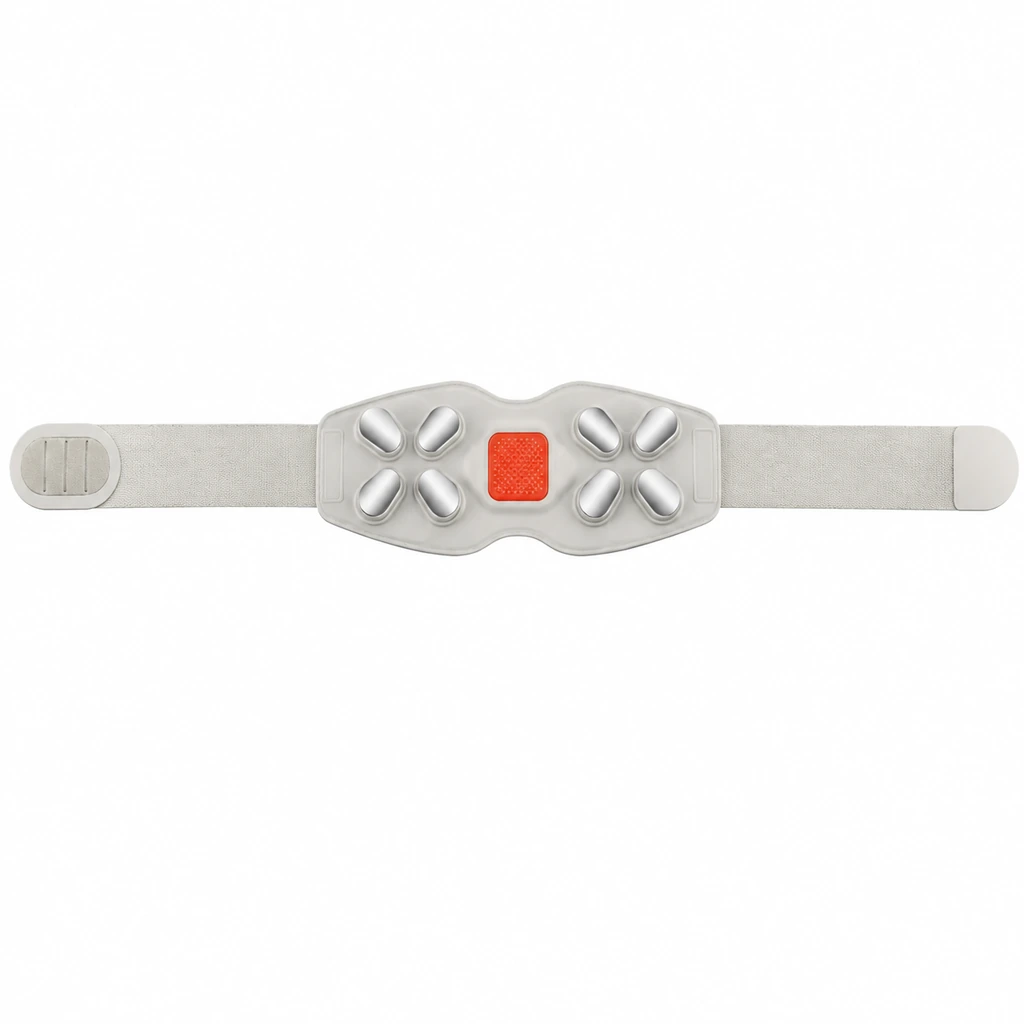
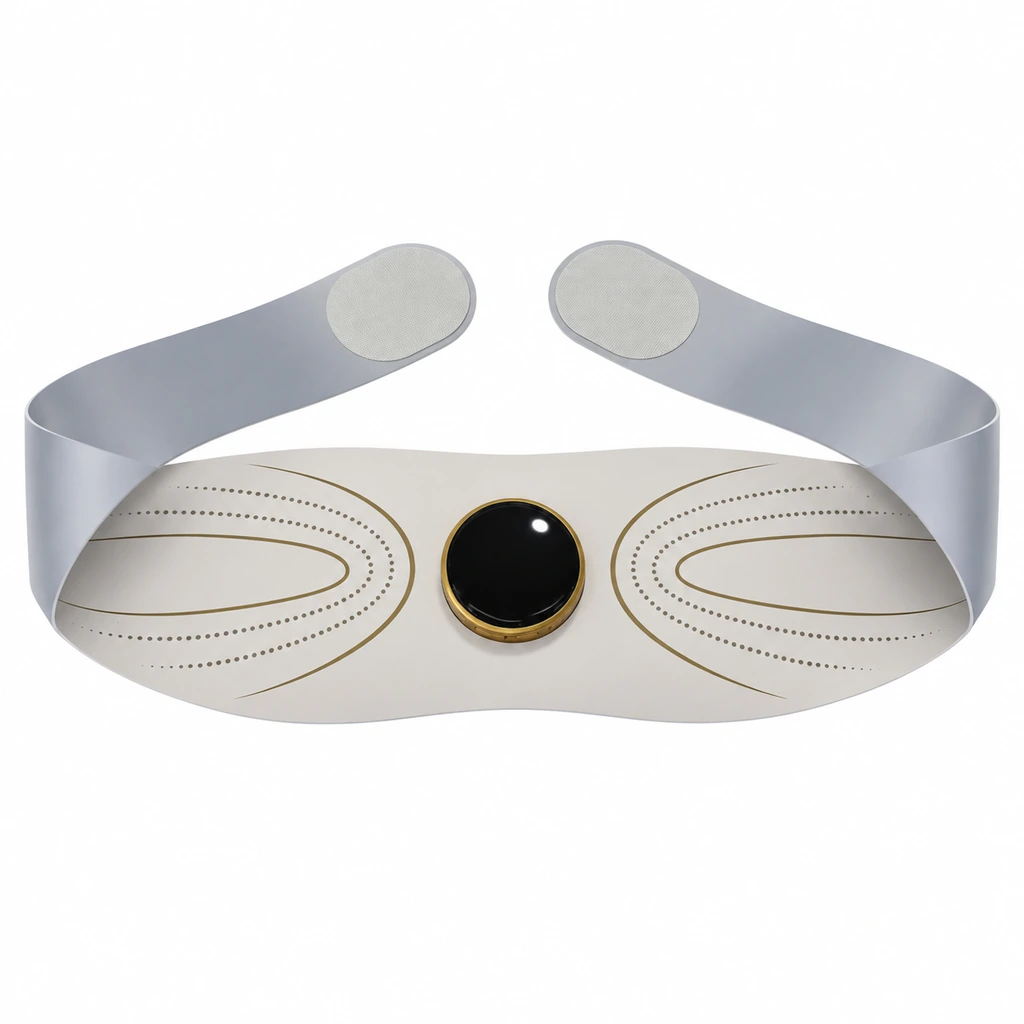
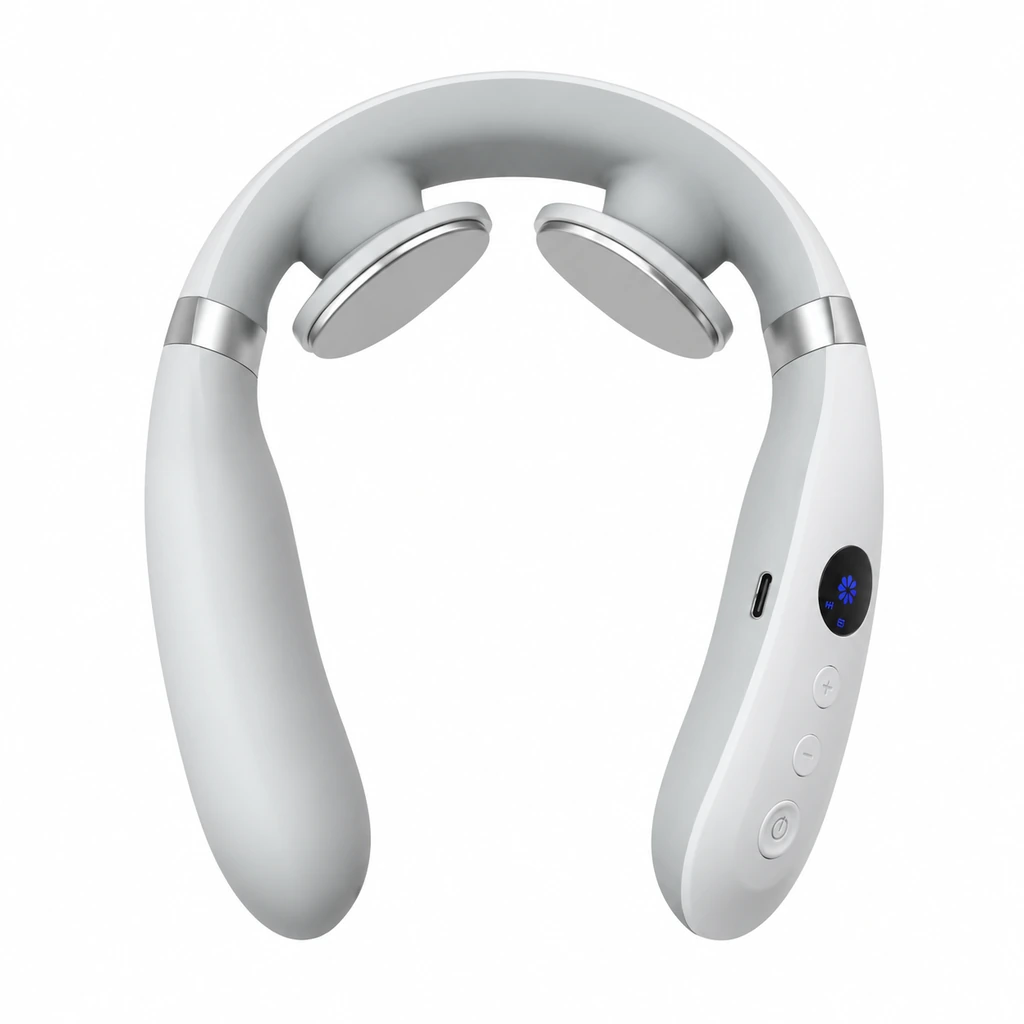
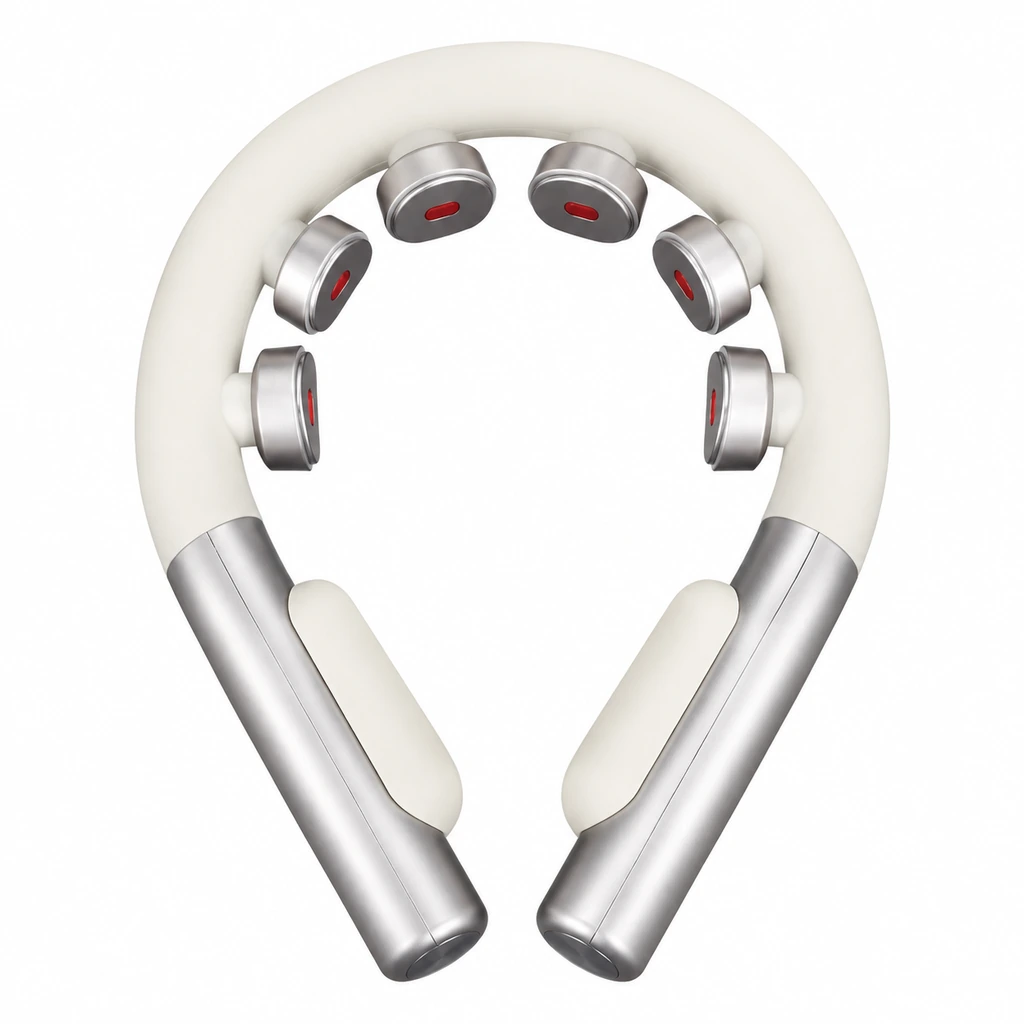
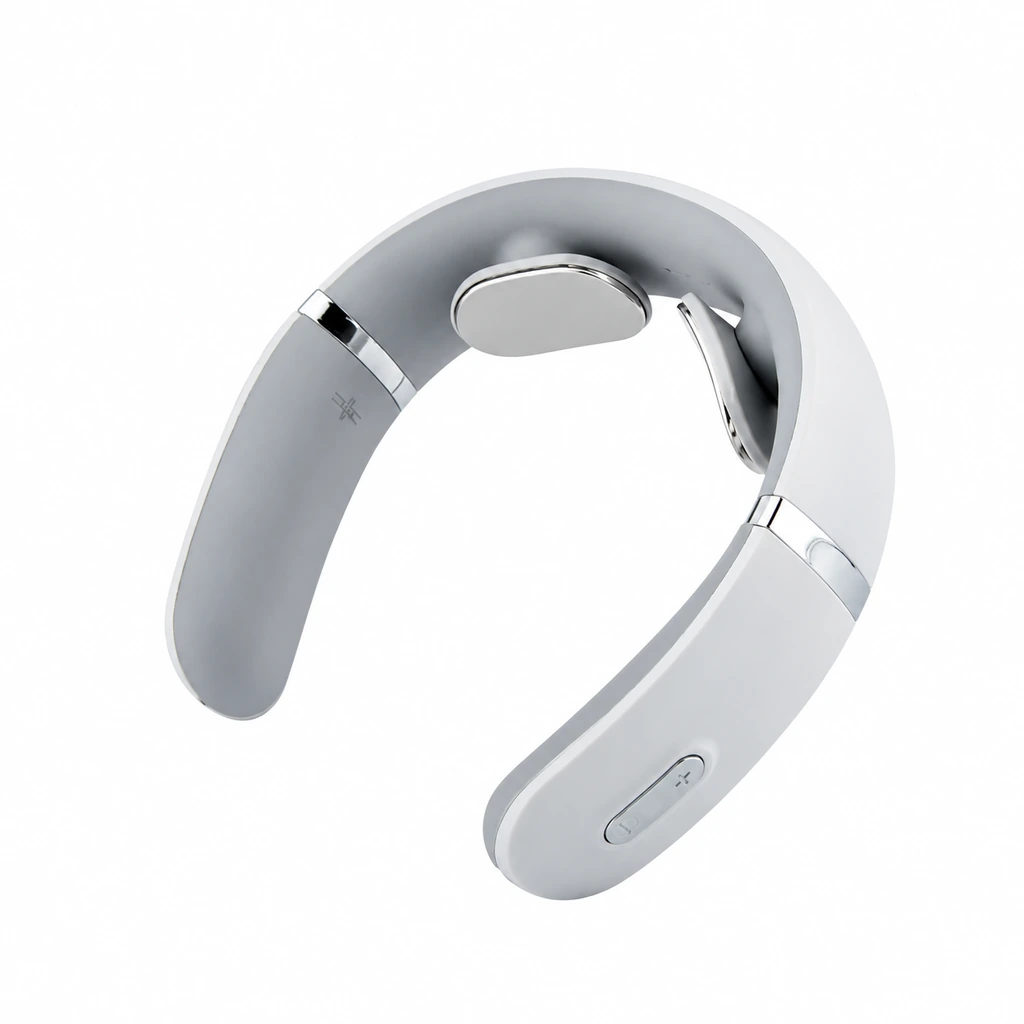
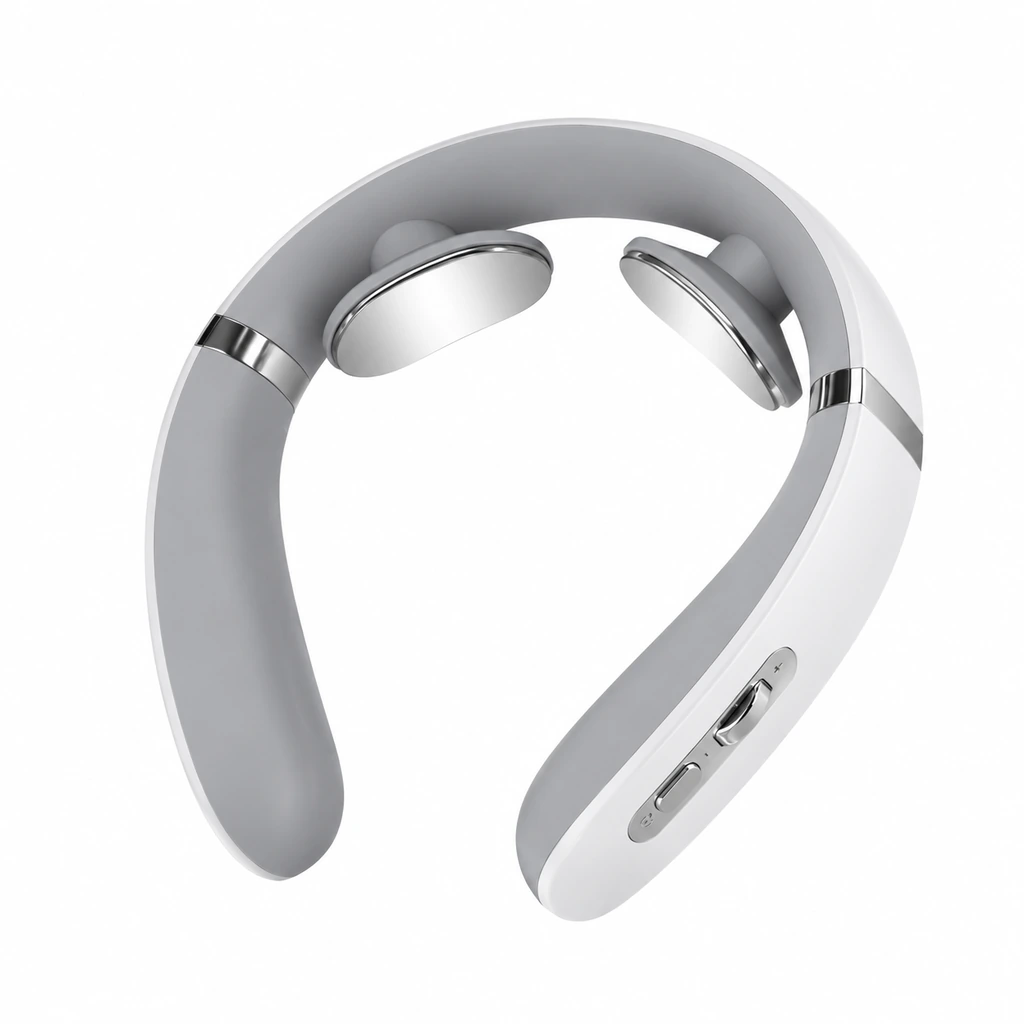
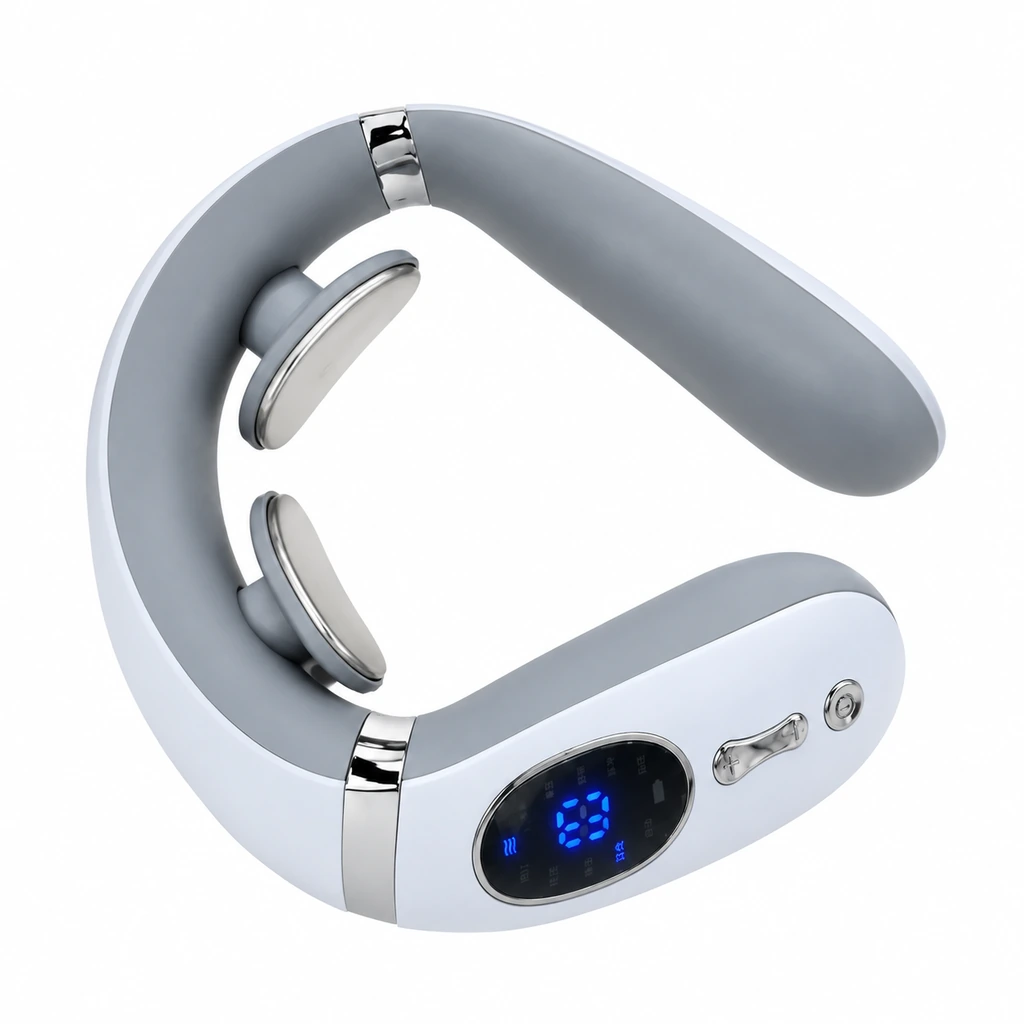
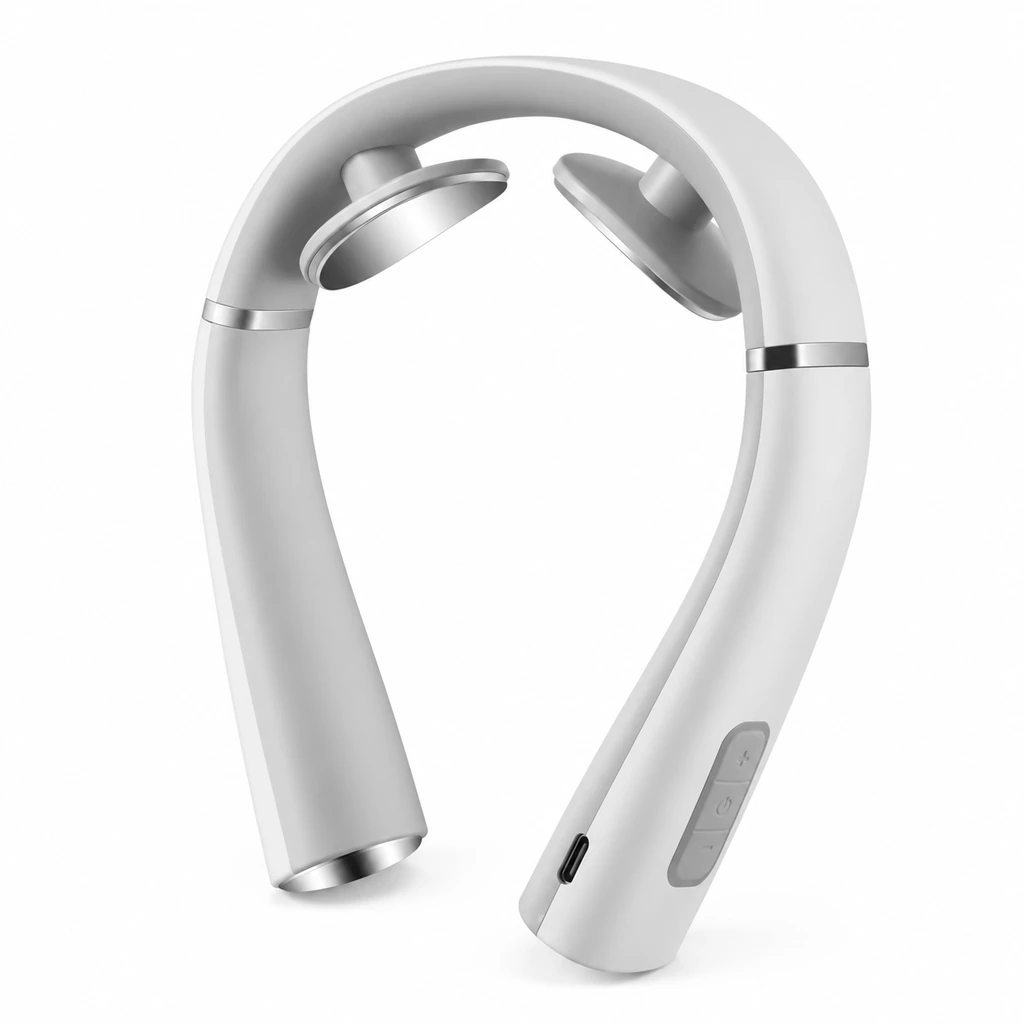
Use the Meilan T1 product page to identify a candidate, then ask for a version-matched sample, pack-out list, carton drawing and instruction artwork. A packaging photograph shows one arrangement; the quotation must establish which arrangement is included in the order.
2. Freeze the contents and the pack-out sequence
List every item that must fit before choosing an insert: device, charging cable, instruction sheet, warranty or market-specific card, and any separately quoted accessory. Record quantity and placement for each line. Do not add a pouch, spare contact head or charger to retail copy simply because a mock-up has room for it. On the packing bench, follow the intended sequence from empty carton to closed lid and note any step that requires forcing a cable under the device or folding a leaflet beyond its approved size.
For a broader check of the quoted product and its included items, use the T1 sample evaluation plan alongside the pack-out sheet.
A practical pack-out record pairs a photograph of each layer with its item count and the sample version. It gives buyers a clearer approval target than a flat artwork file: the factory can show what goes in first, what can move, and what the recipient sees when the lid opens.
3. Check where the insert carries load
Set the device into the insert without a lid and mark each contact point. Support should come from stable body surfaces, while the moving contact heads, charging port, switch and handle opening need clearance. Turn the closed box through its likely storage orientations, then reopen it. Look for shifted product position, compressed tips, rubbing marks, a cable that has escaped its pocket or a lid that touches the device. Record the finding on the actual packed sample; a drawing cannot show how a flexible insert behaves after repeated handling.
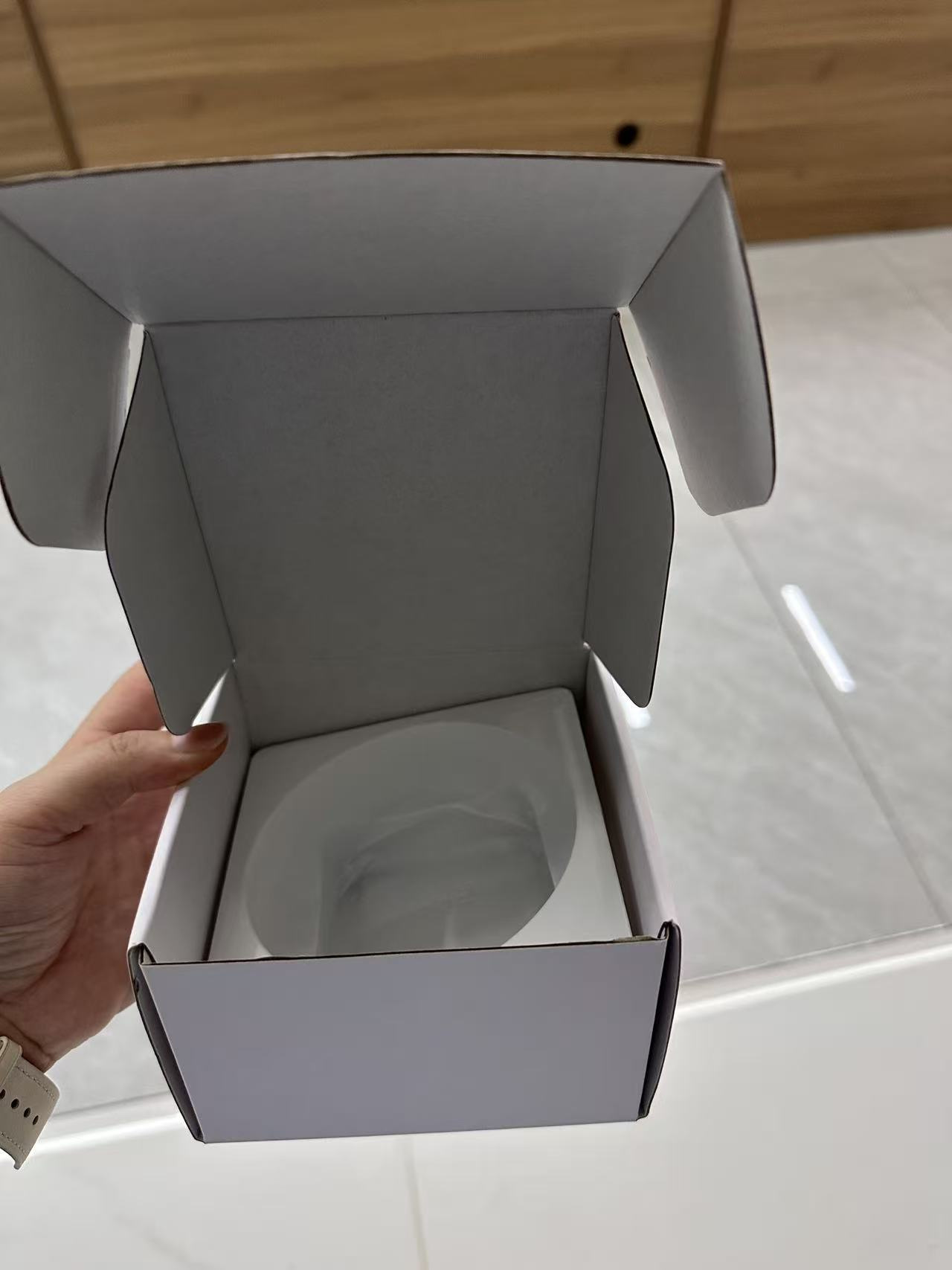
For a removable or replaceable insert, also check whether it lifts out cleanly and whether the product returns to the same position after repacking. If the gift pack will be displayed open, inspect the visible alignment from the shopper's viewing side as well as the protective fit.
If the protective fit depends on head shape or removability, the contact-head materials and replacement guide sets out the related model checks.
4. Complete a packaging dimension confirmation table
Request the finished outer dimensions for the quoted T1 gift pack, then measure the current carton, insert and packed device together. The printed box size alone does not establish the usable cavity or clearance above the contact heads. Record whether each dimension is internal or external, the sample version and the measurement method.
| Dimension or fit point | Measure on the quoted pack | Approval question |
|---|---|---|
| Finished outer carton | External length × width × height; board and closure style | Does it fit the shelf, gift sleeve and master-carton plan? |
| Usable insert cavity | Internal length, width and depth at the narrowest points | Does the device seat without pressing the heads or handle? |
| Head and control clearance | Gap above and around heads, button, port and indicator | Can the lid close without transferring load to these features? |
| Cable compartment | Pocket dimensions and cable bend after packing | Does the cable stay separate from the contact surfaces? |
| Paperwork space | Flat size, folded size, thickness and language count | Does every approved leaflet or card fit without concealment or strain? |
| Packed weight and master carton | One finished unit and units per shipping carton | Is the shipping and channel quotation based on the same pack-out? |
Keep the drawing revision and measured sample ID on the same sheet. A changed insert depth can alter lid clearance even when the printed outside dimension stays the same.
5. Reserve space for instructions and retail information
Use the instruction sheet approved for the destination market when checking fit. Confirm its final folded size, page count and language set, and whether a warranty or importer card is separate. Place the papers where they are visible on opening but do not conceal the device or act as padding against the contact heads.
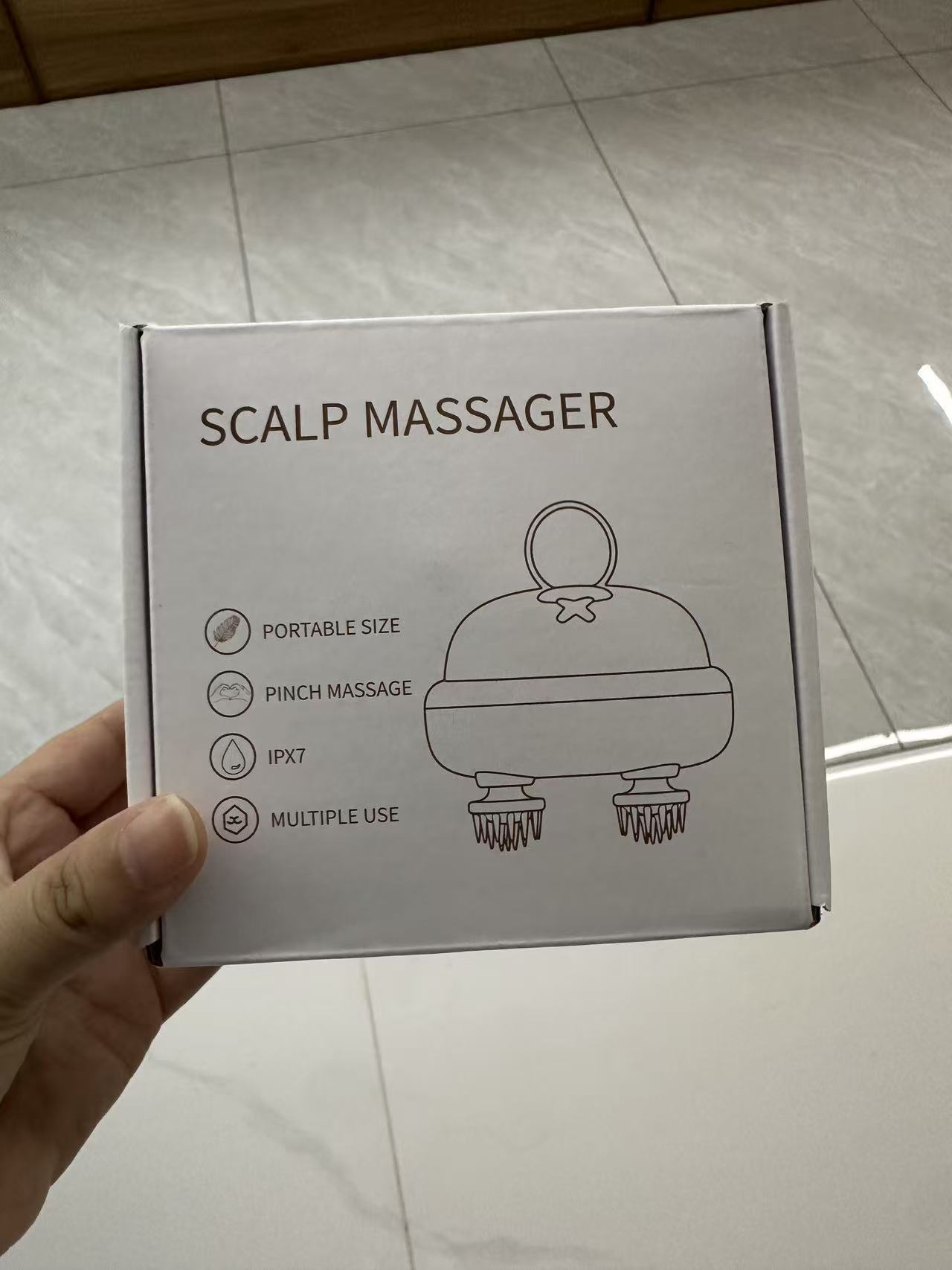
Review every printed panel against the same version's instruction sheet and approved listing. The photograph or mock-up may contain icons and benefit wording; those are artwork to review, not independent proof of a feature, rating or effect. Reserve space for required local marks and contact details before finalizing the design.
6. Separate pack fit from shipment qualification
A box that looks stable on a desk has not automatically passed distribution testing. Agree which route the gift pack will take, whether it ships alone or inside an outer carton, and what damage criteria will be used. Photograph a packed reference unit before handling checks. If a transit test is required, document the chosen procedure, sample count, conditioning, results and approval record; the ISTA test procedure overview is a starting point for selecting an appropriate method, not evidence that this T1 pack has passed one.
After any handling or agreed test, inspect the carton corners, closure, insert position, device finish, contact heads and accessory pockets. Record both visible damage and functional checks on the same sample. A revised carton or insert should be compared with the previous approved pack, not treated as equivalent by appearance alone.
7. Approve a quoted pack, then request the next sample
Before signing off, ask the supplier to return one version-identified package set: assembled retail box, flat dieline, insert specification, actual contents list, instruction artwork, packed-unit dimensions, master-carton plan and any required handling results. The decision is then specific: approve the arrangement, revise a measured gap, or hold an unsupported printed claim.
| Decision gate | Evidence to keep | Action if incomplete |
|---|---|---|
| Contents match quotation | Item-count sheet and packed-unit photographs | Confirm the inclusion boundary and reprice if needed |
| Contact heads are protected | Insert contact map and closed-pack inspection | Change support points or cavity depth; recheck the sample |
| Dimensions and documents fit | Measured table, dieline revision and final leaflet proof | Resolve the constraint before approving artwork |
| Shipping claim is supported | Agreed route, test method and recorded result, if required | Do not state that the pack passed a test without its record |
Browse the head massager collection to define the product range. To request a T1 gift-pack sample, send the target market, quantity, required contents and completed dimension table to the Meilan sales team.
Buyer FAQs
Can one insert serve several scalp massager versions?
Only after each version has been packed and checked. A changed head shape, handle or cable position can change the load path and cavity clearance.
What should a buyer measure first?
Start with the packed device and the narrowest usable insert cavity, then measure the closed carton and document compartment. Label every number as internal or external.
Should the contact heads touch the insert?
Design the support points around stable body surfaces and inspect the actual closed pack. Record any contact or compression at the heads before approving the insert.
Does a carton photograph confirm the gift set's contents?
No. Match the packed-unit photographs and item count to the current quotation and approved pack-out list.
Does a snug insert prove the parcel can survive shipping?
No. Transit performance requires an agreed method and a recorded result for the specified packed configuration.

