
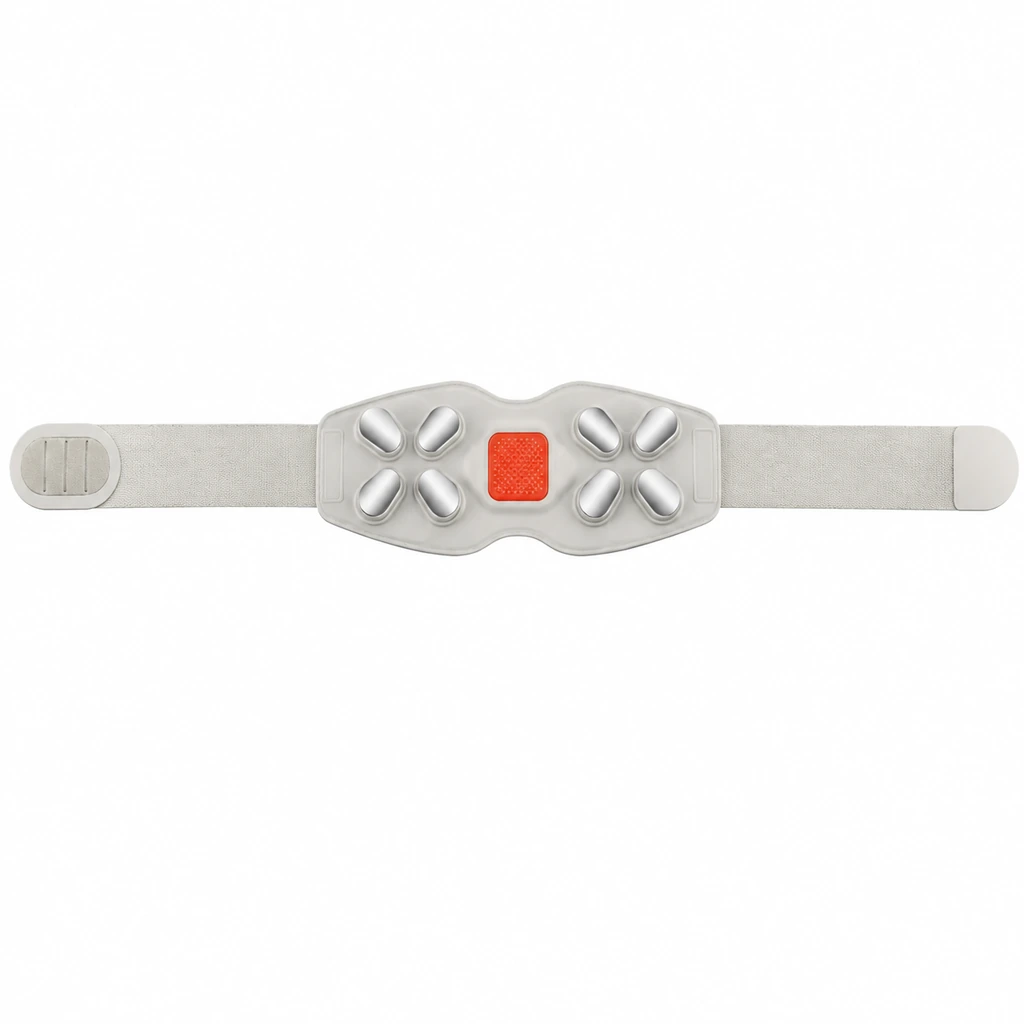
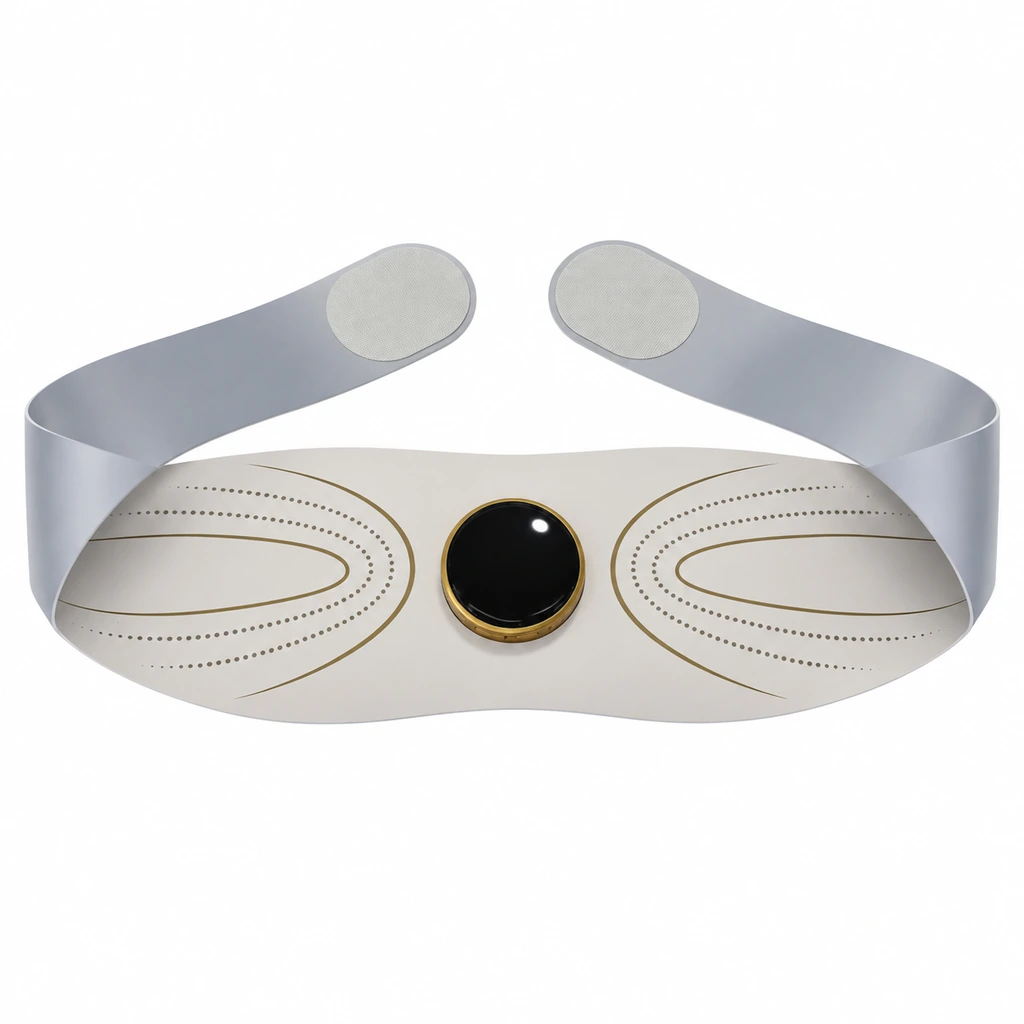
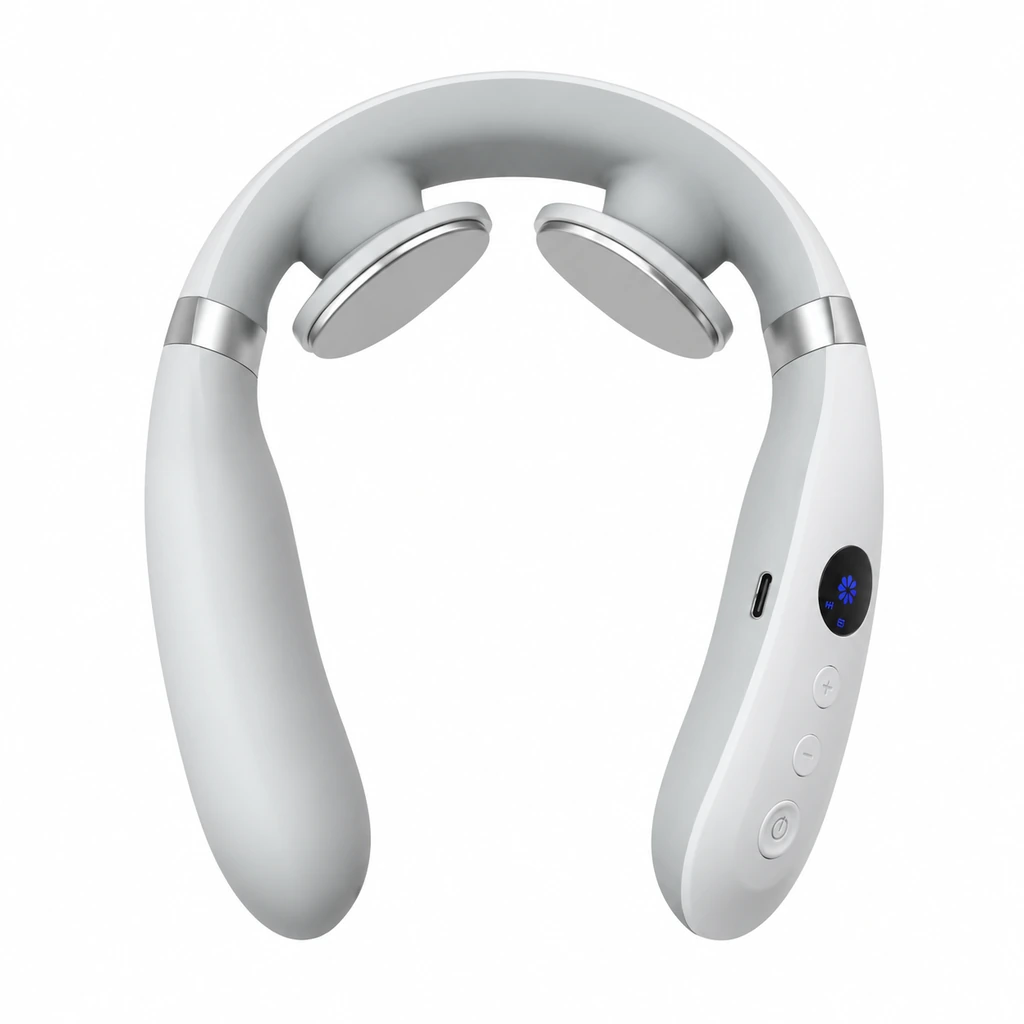
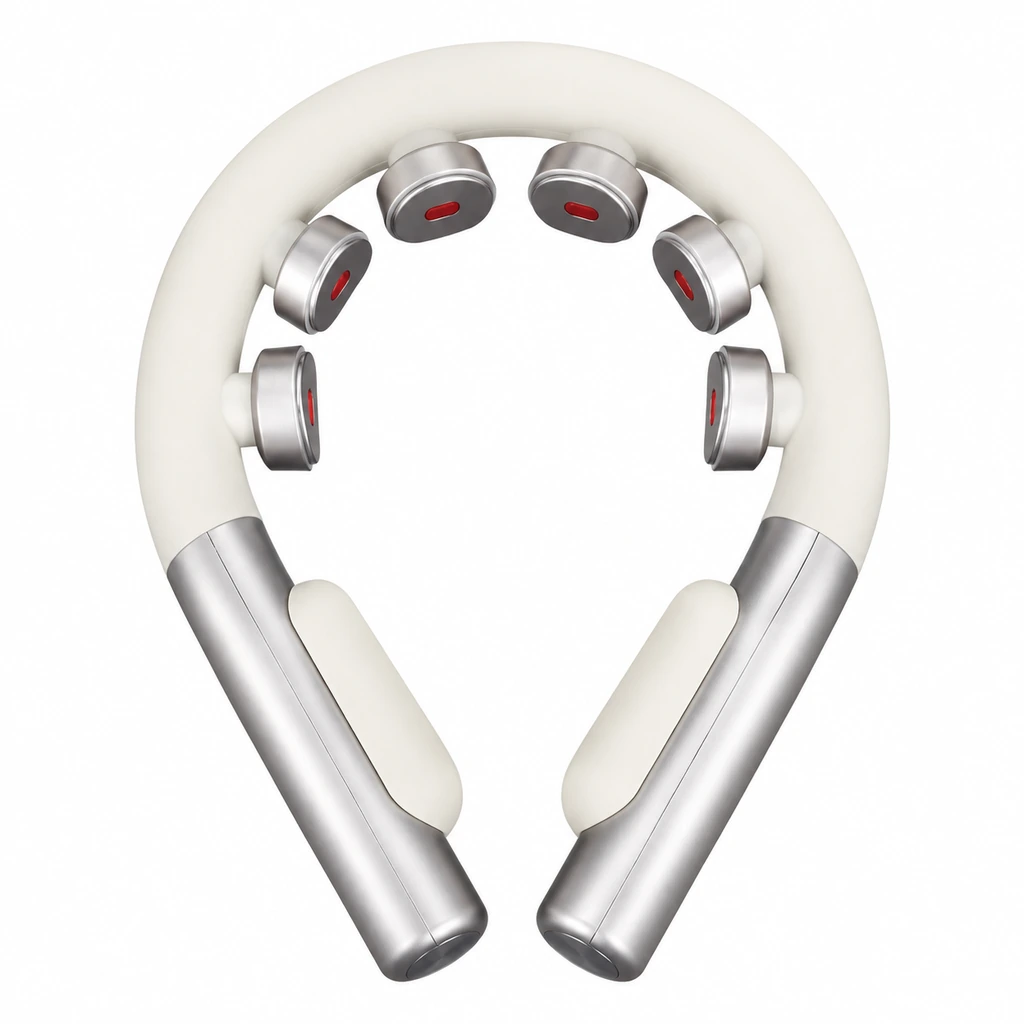

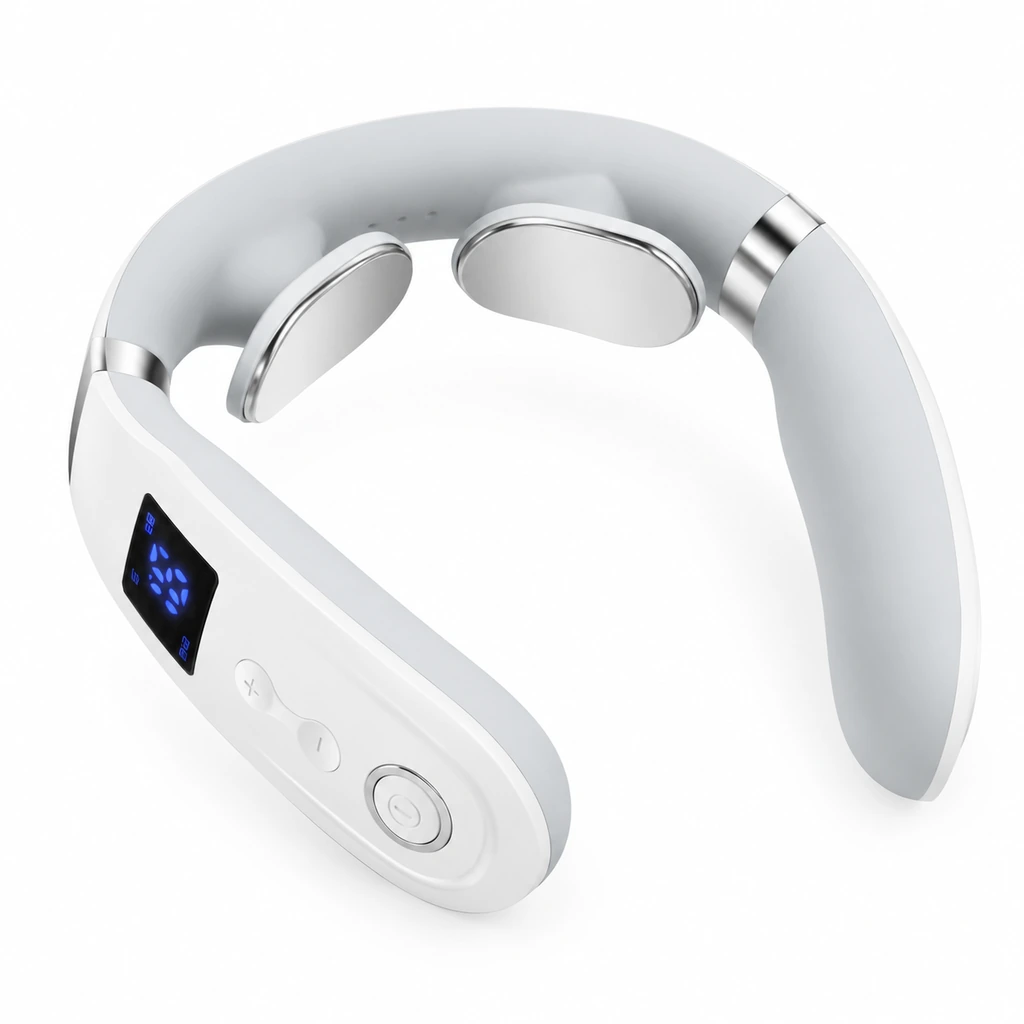
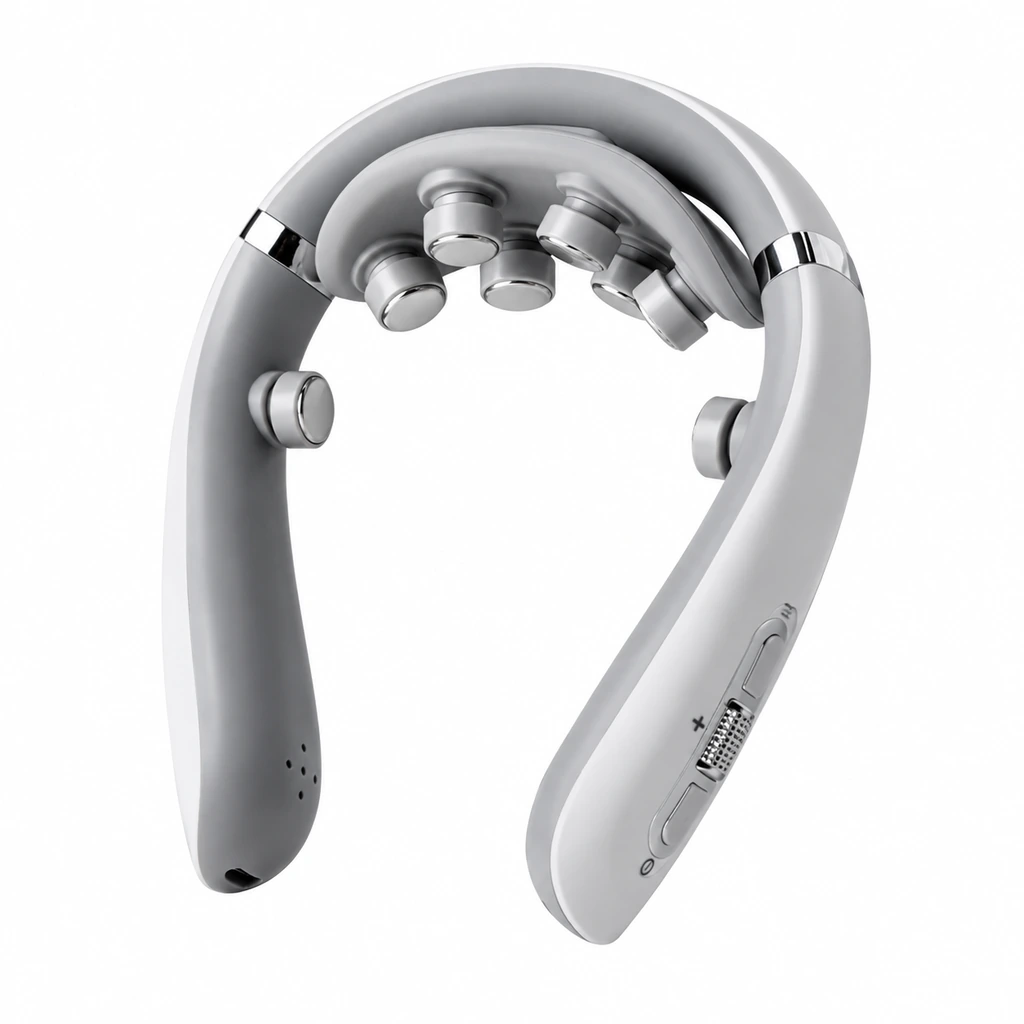
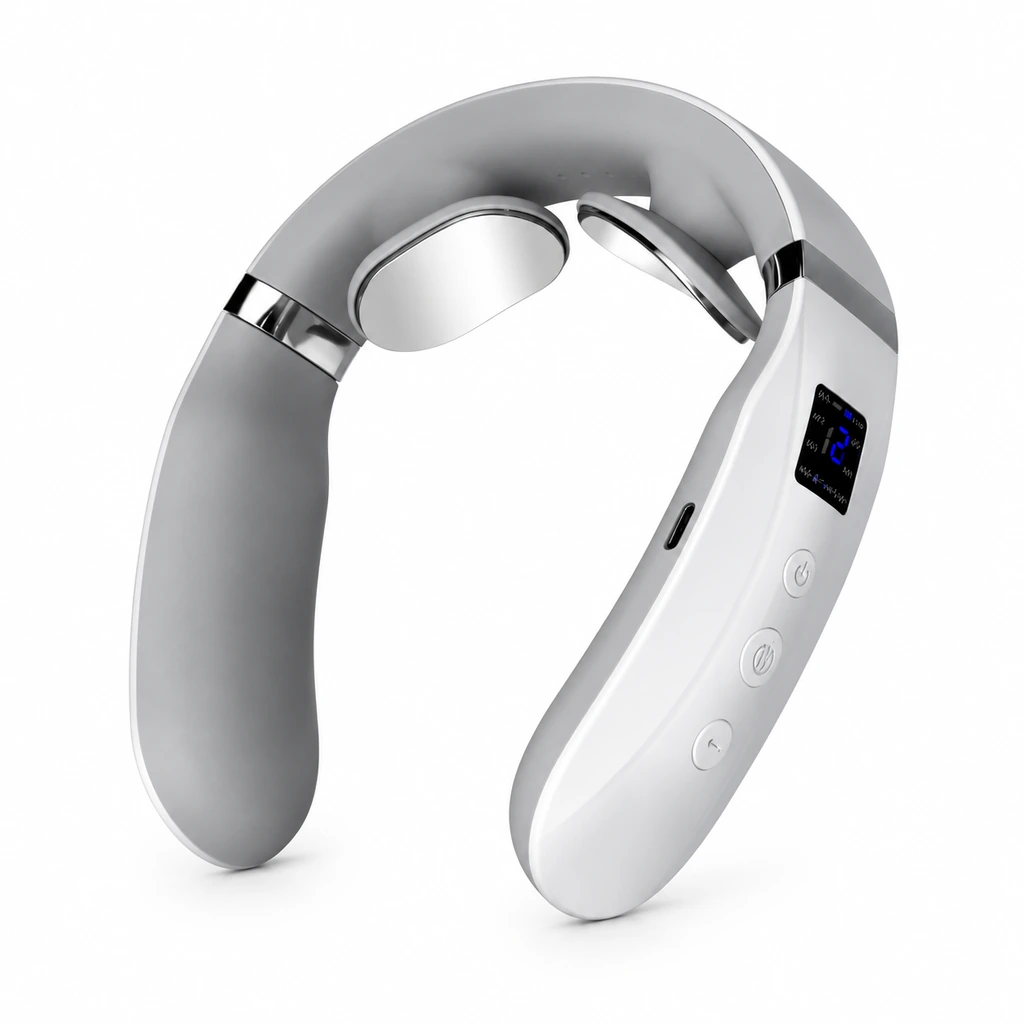
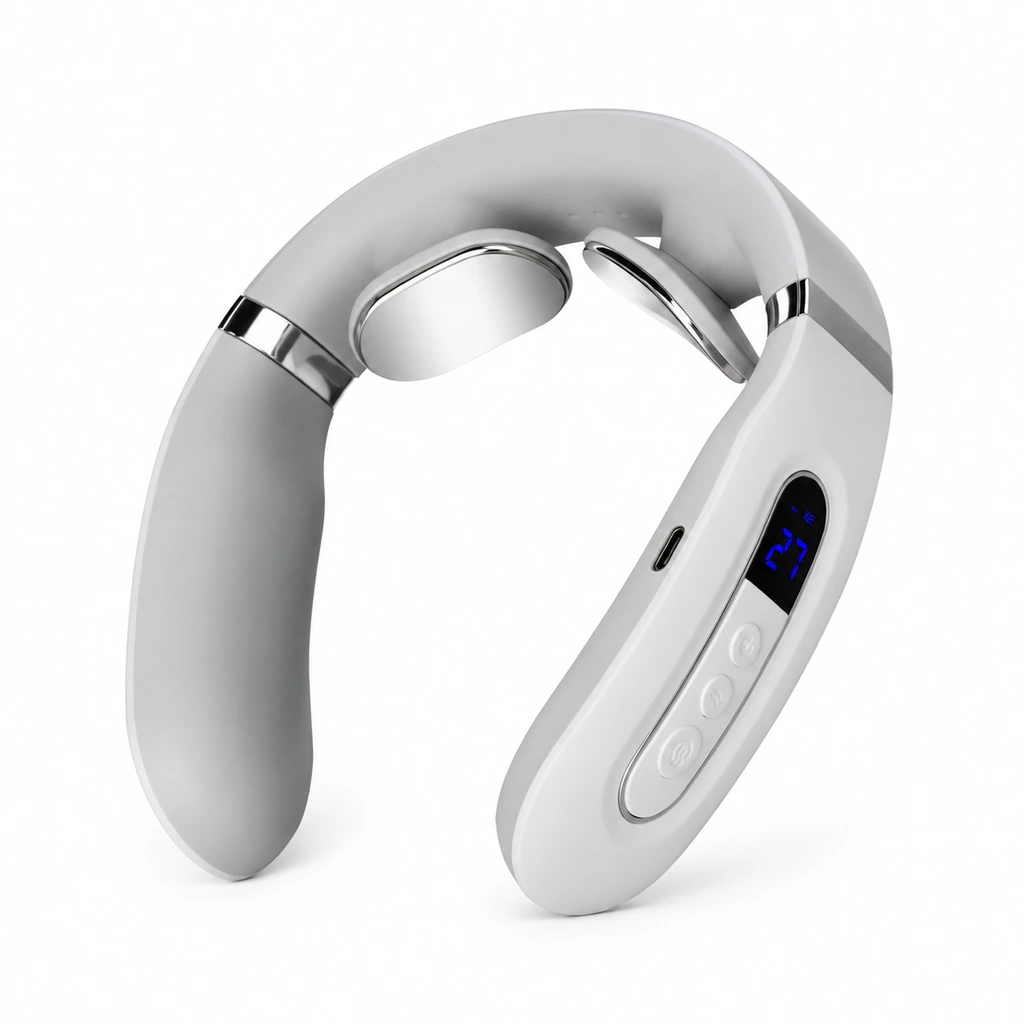
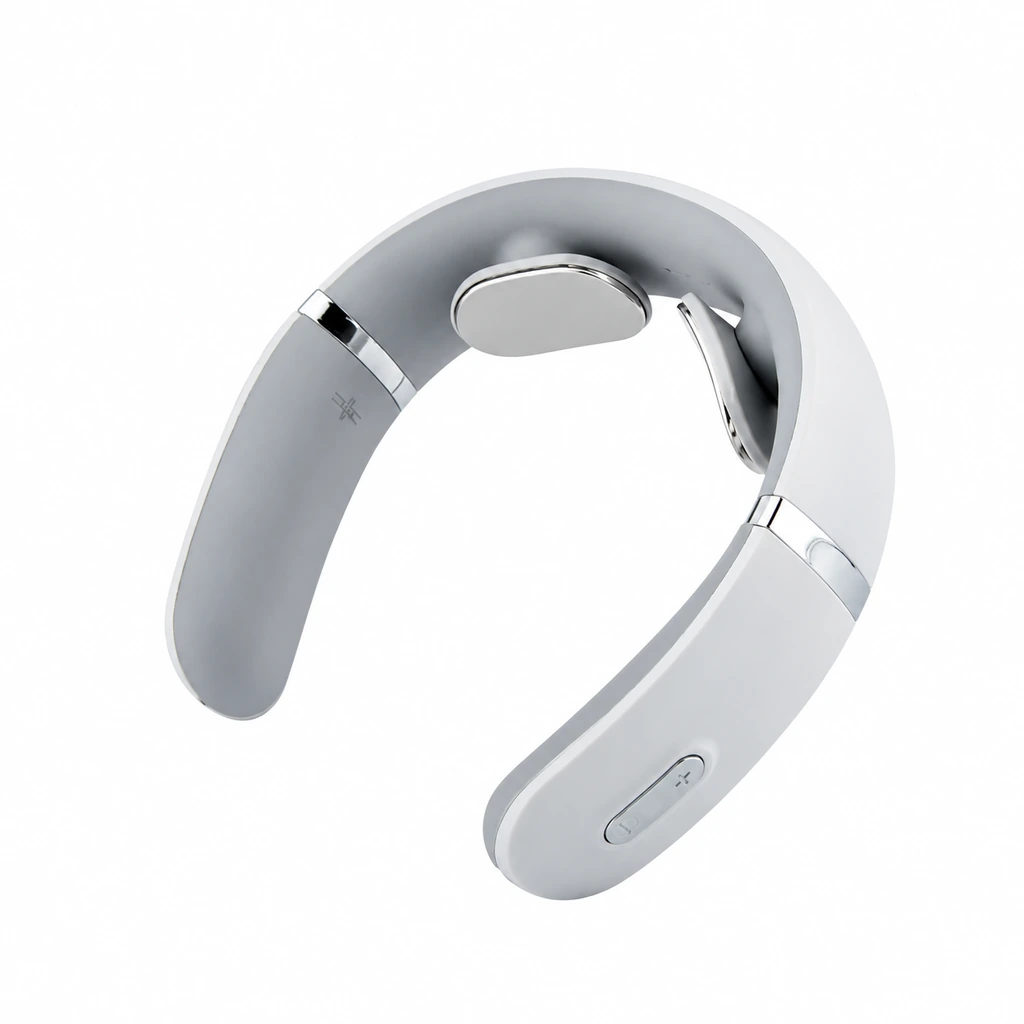
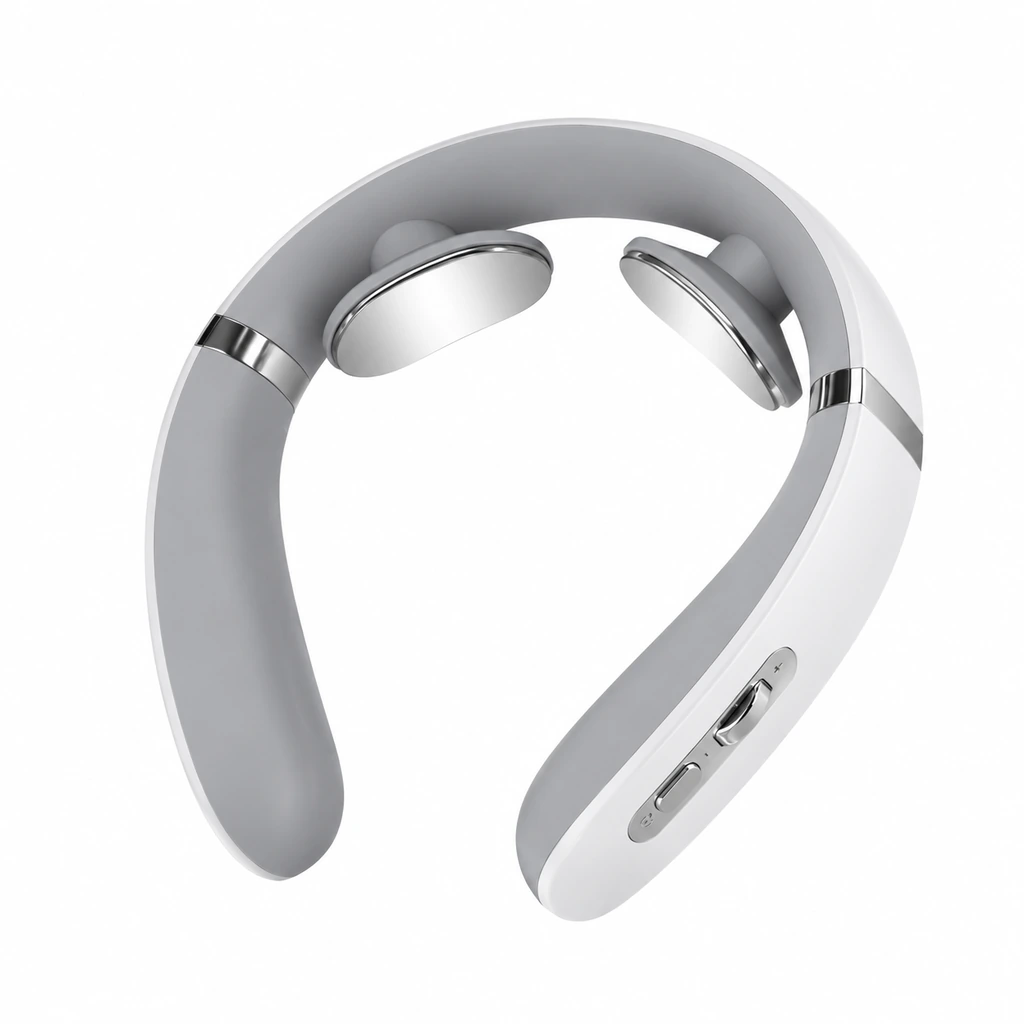
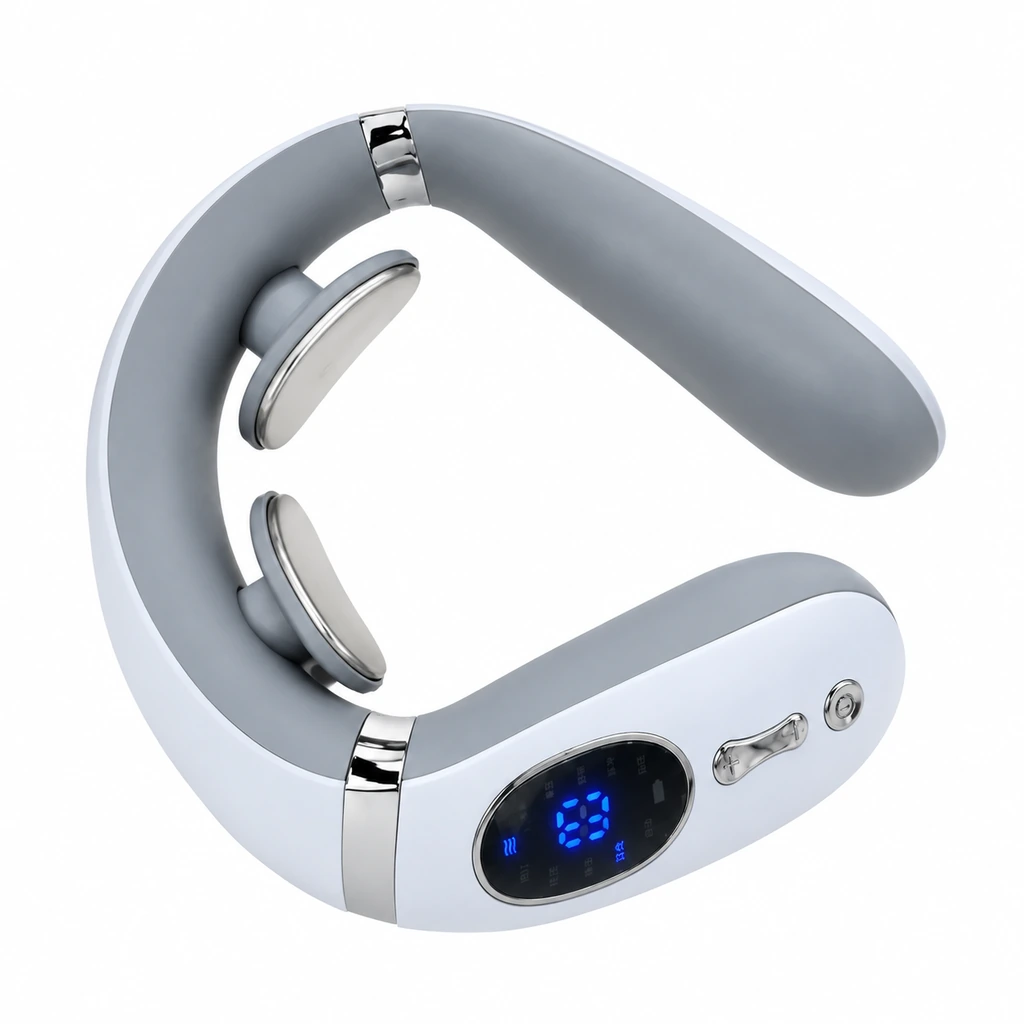
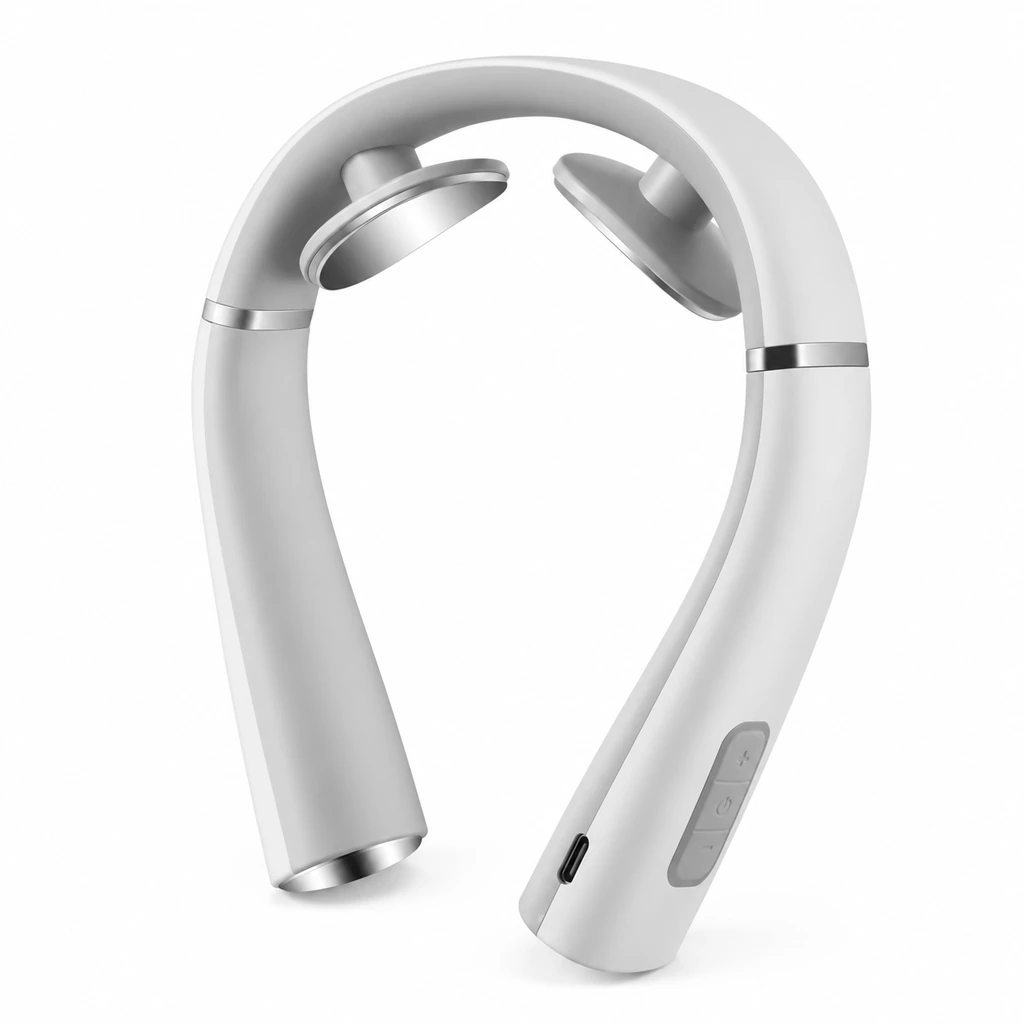


T1 Scalp Massager Sample Evaluation
Evaluate a quoted Meilan T1 sample against its matching specification and instructions: check contact heads, controls, charging, accessories and packaging before approving an order.
 Meilan Tech 7 min read

A useful T1 sample review starts with the exact unit being quoted. Compare its label, removable heads, button sequence, charging arrangement and pack contents with the same-version specification and instructions. Record what the sample actually does before approving a retail claim or an order. This plan gives personal-care brands and salon retailers a repeatable way to separate a page description from an observed result.
1. Establish the version before testing
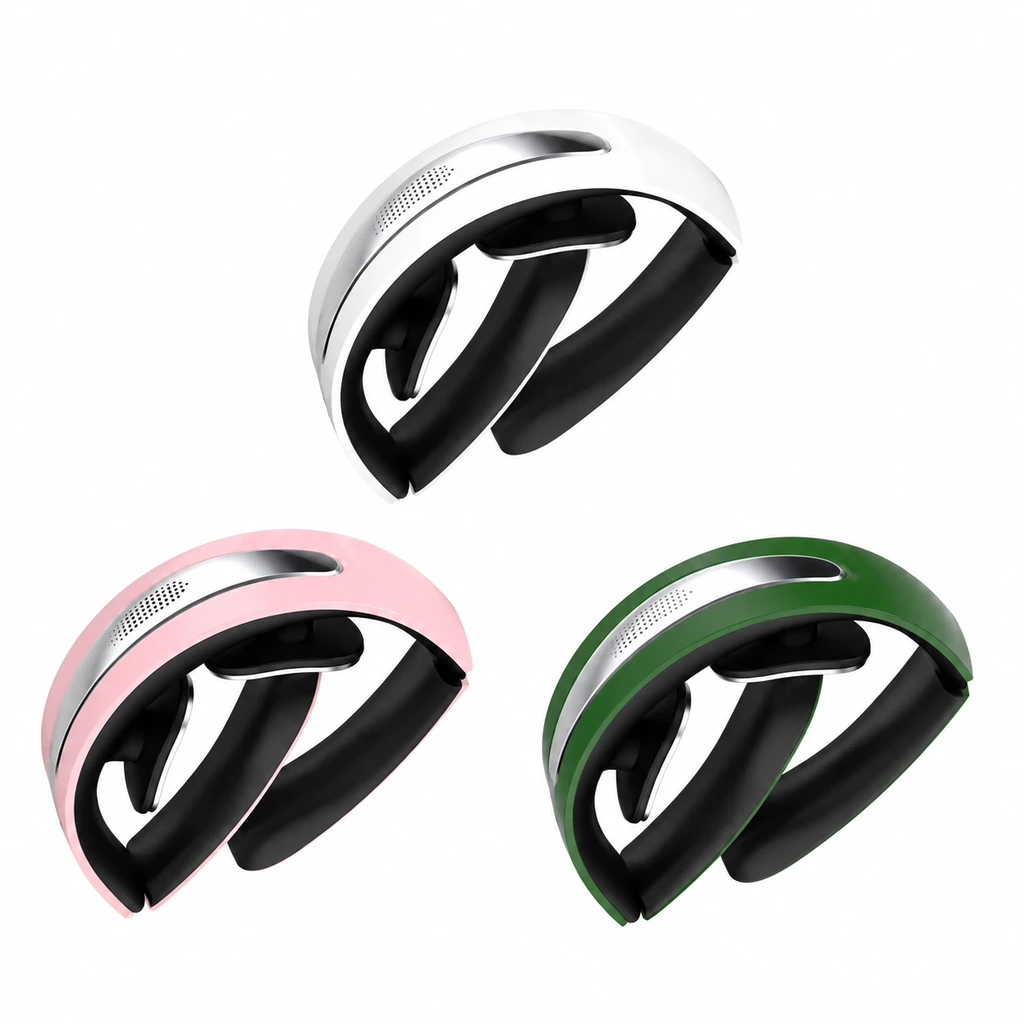
Ask for one reference set: the T1 quotation, product specification, approved user instructions, label artwork, packaging list and a sample ID. Photograph the unopened pack, label, charging port, underside and supplied accessories before operating the unit. Put the document revision and sample ID on the same record. This prevents a demonstration from one configuration being used to approve another colour, head set or retail market.
Define the intended channel at the outset. A salon retailer may need staff to demonstrate controls and head removal repeatedly; a personal-care brand may need multilingual instructions and an accessory list that matches a private-label box. Record these requirements before comparing features. A sample can work correctly yet remain unsuitable if its documentation or pack-out does not match the selling plan.
2. Compare the listed T1 configuration with the quoted unit
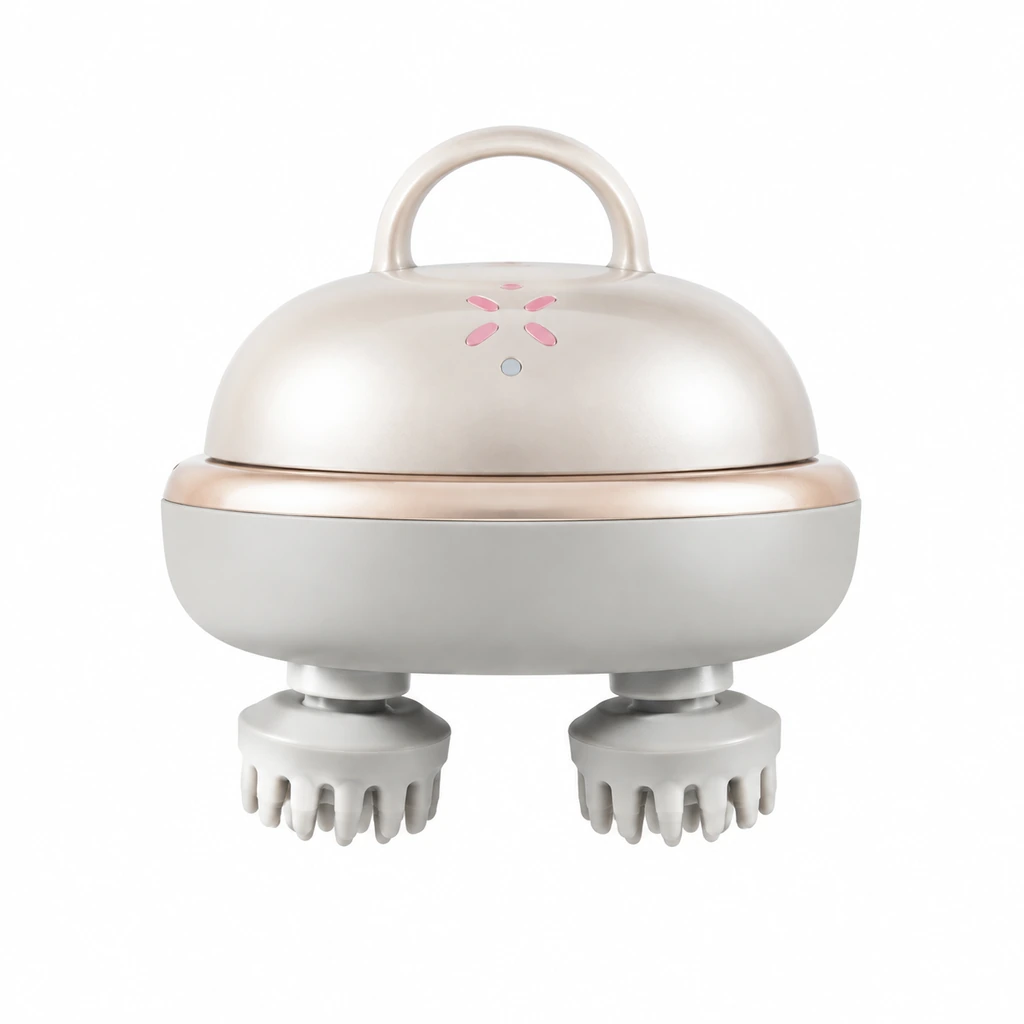
The Meilan T1 product page currently lists four removable silicone heads, three speed levels, a 900 mAh battery and a 10-minute automatic stop. These are useful starting points for a T1 evaluation, but the buying decision should use the specification and instructions approved for the unit in hand. Record any difference before treating a page value as an order specification.
| Page item | Document to match | Sample check |
|---|---|---|
| Four removable heads | Head count, part drawing and replacement policy | Count installed heads; remove and refit only as instructed |
| Three speed levels | Button sequence and indicator key | Cycle every level and record the visible indicator |
| 900 mAh battery | Current battery and charging specification | Check the unit label and supplied charging instructions |
| 10-minute automatic stop | Approved session or timer wording | Time an uninterrupted run under recorded conditions |
Keep a photograph of the label and the quotation next to this matrix. If a listed feature is absent on the quoted sample, ask whether the difference is a revision, an optional configuration or an error. Do not combine the most favourable values from separate documents into one proposed listing.
3. Inspect the heads and scalp-contact surfaces
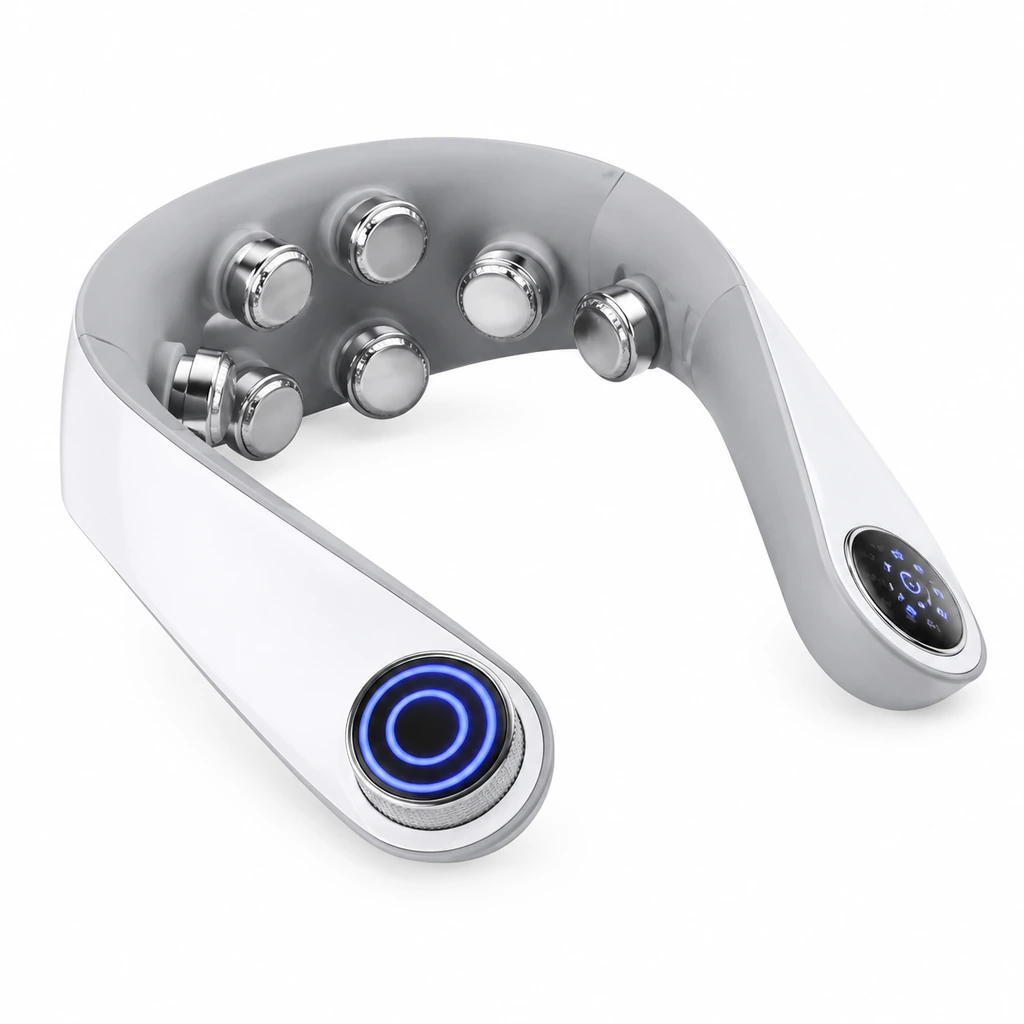
Begin with the power off. Count the installed heads, photograph their tips and bases, and check whether each one seats in the same way. Follow the approved removal method, then refit each head and inspect for looseness, uneven height, visible damage or trapped hair. A retailer who plans in-store demonstrations should repeat this check after several supervised removals, since the head connection will be handled more often than in a sealed display.
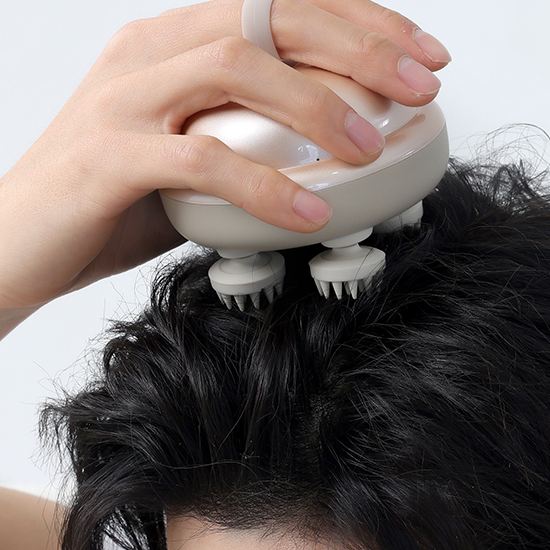
Describe feel only as a recorded observation with the tester, hair condition, operating level and duration noted. The product page calls the heads silicone, but a photograph cannot establish their grade or any food-contact classification. Request the material declaration that applies to the quoted head set before repeating a grade claim. Cleaning and wet-use wording need their own version-matched instructions and, where applicable, test evidence; head removability alone does not approve rinsing the powered body.
4. Run a documented control sequence
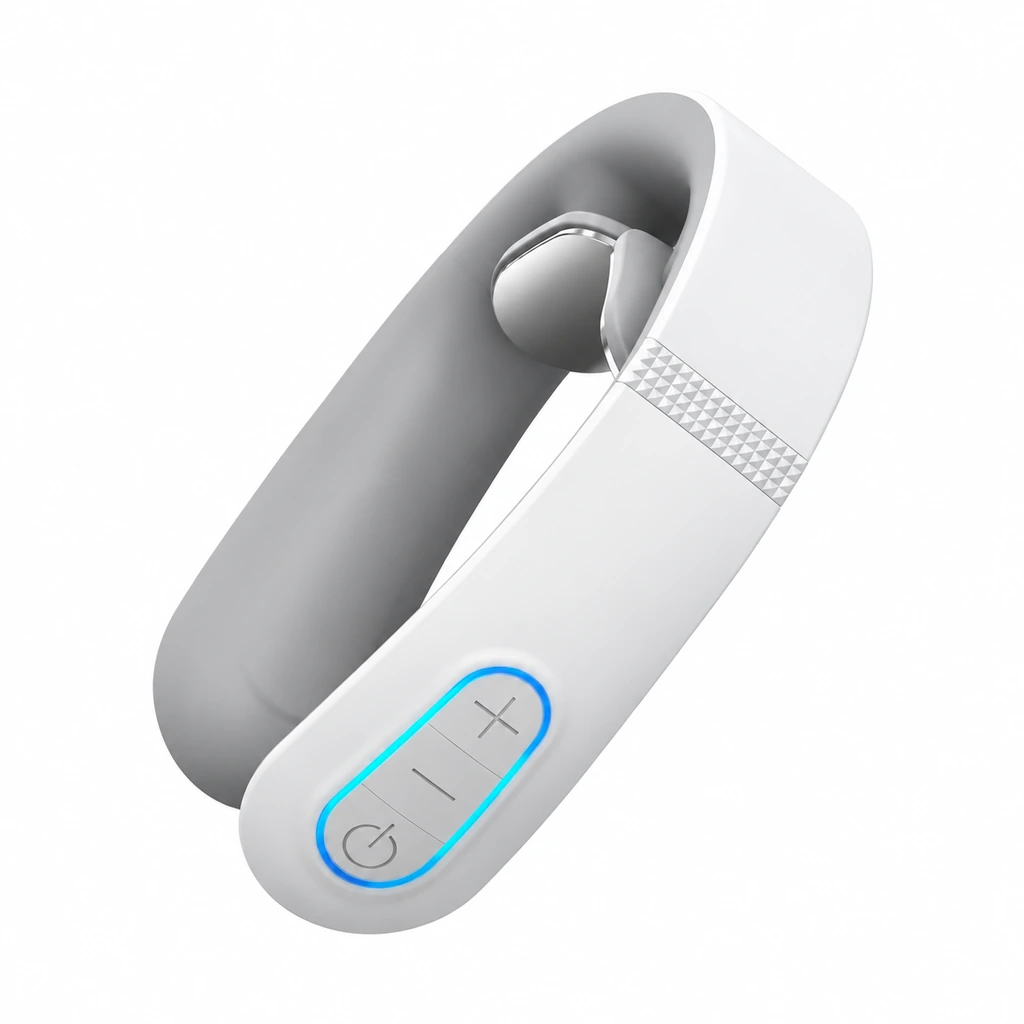
The supplied T1 instruction sheet shows one body button. It describes a short press to start and change intensity, a double press to change rotation sequence, and a press-and-hold to shut down. It associates purple, green and blue indicator lights with high, low and medium intensity. Treat this as a sequence to compare with the quoted sample, not as proof that every T1 revision behaves identically.
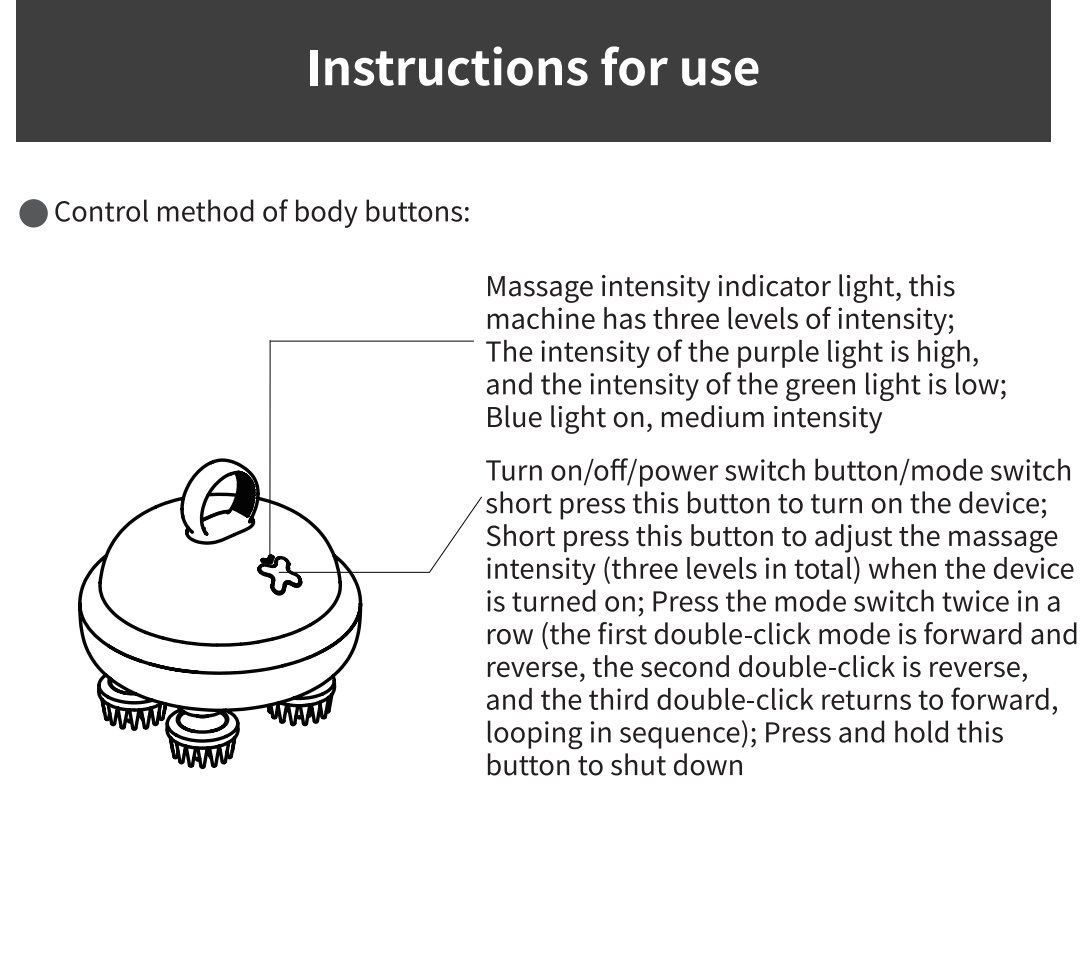
Start from a fully charged unit and record each action as a separate row: press type, indicator colour, observed head movement, elapsed time and any unexpected response. Film the complete sequence without cutting between levels. Repeat it after a shutdown and restart. If the sample and instructions disagree on a colour, speed order or double-press action, pause the proposed training copy until the product team identifies the approved version.
5. Check charging and operating records
The T1 page lists a 900 mAh battery and a 10-minute automatic stop; the English instruction sheet gives DC 5V/1A charging and a 10-minute session. Capacity, charging time, session length and total runtime are different measurements. Keep them in separate fields. For an operating check, record the charger used, initial charge state, selected level, number of sessions and reason the run ended. A single 10-minute stop does not establish total battery life.
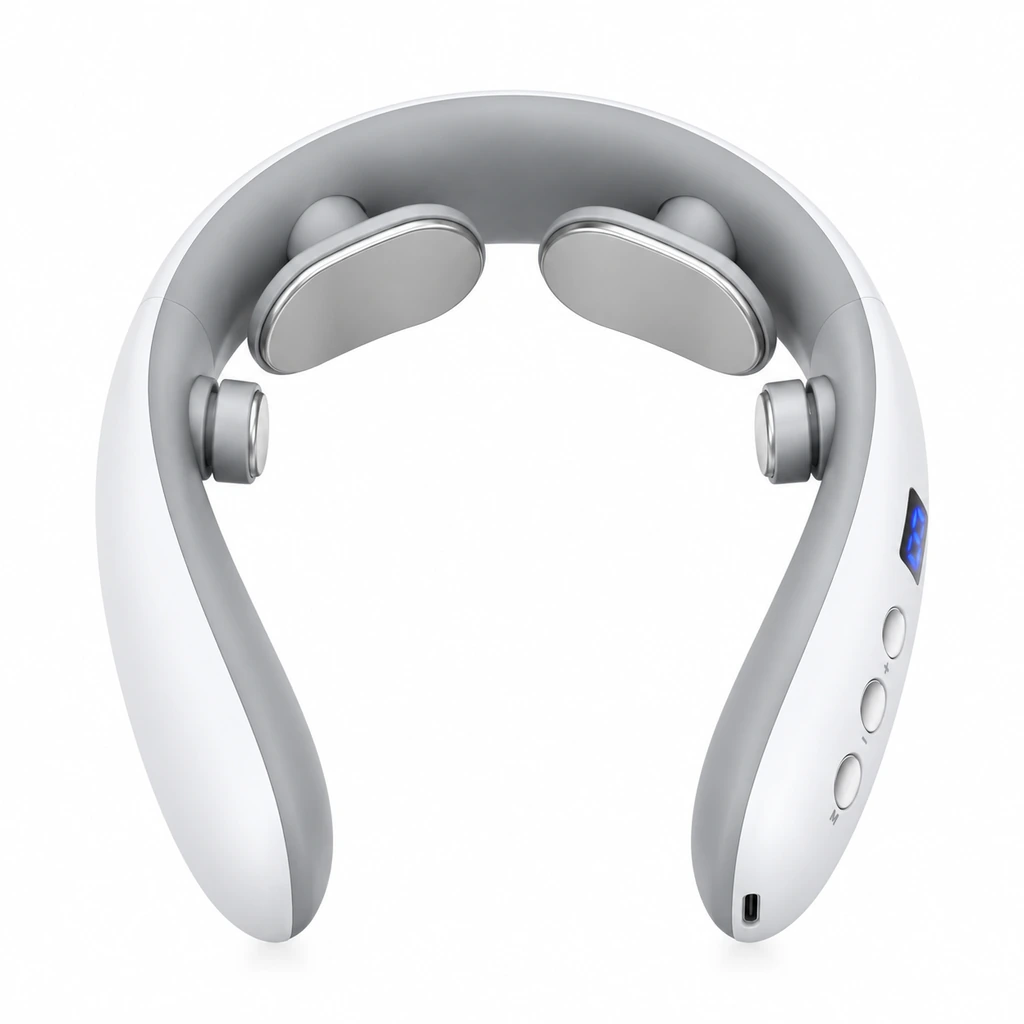
Inspect the charging-port cover, cable fit and charging indicator against the approved instructions. The instruction artwork tells users to dry the body before charging and not to charge in a bathroom. Ask the supplier for the version-specific charging and cleaning instructions that will ship with the order. If the brand wants shower-use or a water-resistance rating in its listing, request the corresponding test scope before making that claim.
6. Reconcile accessories, packaging and retail information
Lay out everything in the sample box and photograph it in one frame: device, installed heads, charging cable, printed instructions, warranty material and any other supplied item. Then compare that photograph with the quote's bill of materials and the packaging proof. The T1 instruction drawing shows a charging cable, but a drawing is not a commitment that every private-label pack includes the same accessories or quantities.
Check the box label, model name, language, charging statement, included-item list and customer-support route. Request a separate line for optional spare heads, custom artwork or a different retail pack. If the supplier changes the head material, charging component or package after sample approval, ask for a revised specification and a fresh sample check. A pack-out signoff should identify both the physical contents and the artwork version.
7. Decide what is ready and send a focused RFQ
Use one decision sheet for the sample and one open-issues list for the supplier. Mark an item ready only when the quoted T1 unit, approved document and observation agree. A mismatch is a question to resolve, not a reason to substitute a more convenient description from another version.
| Decision item | Must match | Test or supplier answer |
|---|---|---|
| Identity | Quote, label, specification and sample ID | Confirm colour, revision and destination market |
| Heads and contact | Installed head set and material declaration | Record fit, removal, condition and cleaning boundary |
| Controls | Current manual and indicator key | Film short, double and long press sequence |
| Power | Charging input and supplied cable specification | Log charging and timed operation by level |
| Pack-out | Approved contents list and box artwork | Confirm optional parts, languages and support process |
Use the Meilan head-massager collection to place T1 within the available range. For a T1 quote, send the filled sheet, target market, sales channel, intended quantity and requested packaging to the Meilan sales team. Ask for the current T1 specification, matching instructions, accessory list and a version-identified sample before approving retail copy.
Buyer FAQs
Is the T1 product page enough to approve a wholesale order?
No. Use the page to define what to check, then match the quoted configuration to its current specification, instructions and physical sample.
What should a buyer record when checking the removable heads?
Record the count, installed position, removal method, refit condition and any visible movement or damage, with photographs tied to the sample ID.
Does a ten-minute stop prove the T1 battery runtime?
No. It checks one session-ending behaviour. Total runtime needs a separate record with charge state, selected level and repeated sessions.
Can a buyer call the complete T1 unit waterproof because the heads are washable?
No. Cleaning the removable heads and exposing the powered body to water are different uses. Approve each claim only against the matching instructions and evidence.
When is the T1 sample ready for a retail listing?
When the quoted version, sample behaviour, material and accessory records, approved instructions and proposed listing copy describe the same configuration.

